2814 S 107th Ave, Omaha, NE 68124

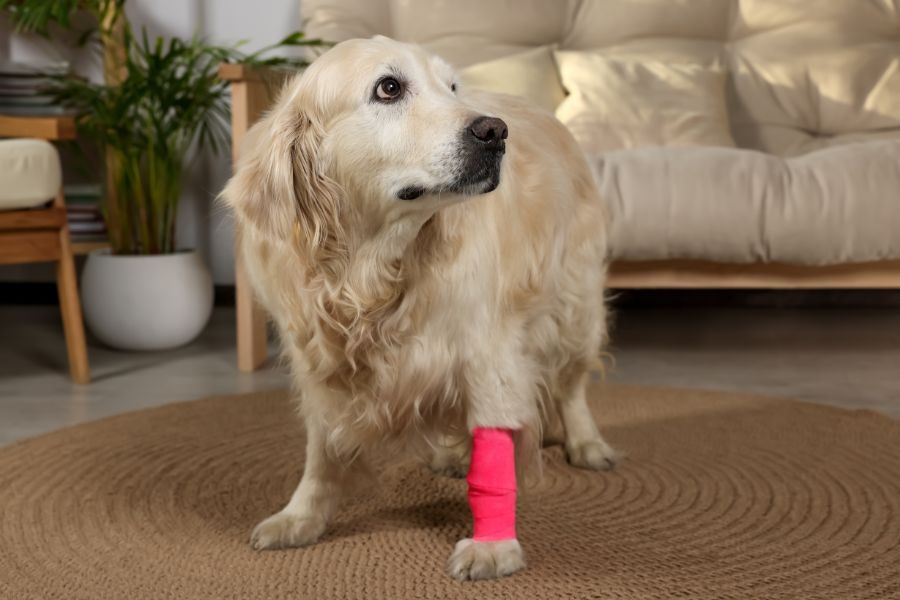
Canine arthritis can make everyday movement harder for older dogs. A short walk, climbing stairs, getting into the car, or standing after a nap may become uncomfortable. Seasonal changes can add another layer of difficulty, especially during colder months when dogs with joint problems may become stiffer and less active.
For pet parents in Omaha, understanding how weather affects dog arthritis can help make each season more comfortable. With thoughtful home care, regular veterinary monitoring, and appropriate pain management, many dogs can continue enjoying walks, playtime, and family activities.
How Weather Can Affect Dog Arthritis
Dogs with arthritis have inflammation and structural changes within their joints. Weather does not cause arthritis, but changes in temperature, activity, and daily routines can make existing discomfort more noticeable.
Cold conditions may cause muscles and joints to feel stiff. Dogs may take longer to get moving after resting or become reluctant to walk outside. Snow and ice can also make outdoor surfaces difficult to navigate.
Hot weather can create a different challenge. Dogs may become less active because of heat, which can contribute to muscle weakness and weight gain. Excess body weight places additional stress on already painful joints.
Seasonal changes are therefore a good reason to pay close attention to movement, appetite, energy, and behavior.
Signs Your Dog May Be Experiencing Joint Pain
Dogs do not always cry or limp when they hurt. Subtle changes can be easier to notice when you know what to watch for.
Common signs include:
- Taking longer to stand after sleeping
- Walking more slowly than usual
- Hesitating before using stairs
- Avoiding jumping onto furniture
- Struggling to get into or out of a vehicle
- Limping or favoring one leg
- Becoming less interested in walks
- Resting more frequently
- Acting irritable when touched around painful areas
- Licking or chewing at a joint
- Developing difficulty maintaining balance
- Changing sleeping positions frequently
A dog that suddenly becomes less active should not automatically be considered simply old. Pain, arthritis, injuries, and other health concerns can produce similar changes.
Winter Joint Pain Management
Cold weather can be particularly challenging for dogs with arthritis. A few simple adjustments can help reduce unnecessary strain.
Keep your dog warm and comfortable indoors. Provide a supportive resting area away from cold drafts. A comfortable orthopedic style bed can give joints better support while your dog sleeps.
Outdoor activity may need to become shorter during very cold weather. Instead of eliminating exercise, consider several brief walks when conditions allow. Keeping the body moving can help maintain muscle strength and joint mobility.
Pay attention to walking surfaces. Ice and packed snow can increase slipping risks. Wipe your dog’s paws after outdoor walks and check for irritation caused by snow, ice, or deicing materials.
Indoor enrichment can also help maintain activity during unpleasant weather. Food puzzles, gentle training exercises, and supervised games can provide mental stimulation without demanding excessive physical effort.
Supporting Joint Health During Warmer Months
Summer brings opportunities for more outdoor activity, but dogs with arthritis still need sensible exercise. Avoid pushing an older dog into long walks or intense play simply because the weather is pleasant.
Choose cooler times of day for outdoor activity. Watch your dog’s pace and allow regular breaks.
Swimming may provide low impact movement for some dogs because water supports much of the body’s weight. However, not every dog is comfortable or safe in water. Speak with your veterinary team before introducing swimming as part of an arthritis exercise plan.
Maintaining a healthy body weight is also important throughout the year. Even modest weight gain can increase the mechanical load placed on painful joints.
The Role of Exercise in Canine Arthritis Treatment
It may seem logical to let a painful dog rest as much as possible. Too little movement, however, can contribute to muscle loss and reduced mobility.
Controlled exercise can help maintain muscle strength and flexibility. The right activity depends on your dog’s age, condition, weight, pain level, and overall health.
A veterinary team can help determine an appropriate activity plan. This may include short walks, controlled movement, gentle exercises, or rehabilitation techniques.
The goal is not to exhaust your dog. The goal is consistent, comfortable movement.
Nutrition and Weight Management Matter
Weight management is a major part of arthritis care. Extra weight puts additional pressure on joints with every step.
Your veterinarian can assess your dog’s body condition and help determine whether dietary changes are appropriate. Portion control, appropriate treats, and measured meals can help maintain a healthy weight.
Do not make major diet changes based only on an online recommendation. Older dogs may have other nutritional needs that should be considered as part of their overall care.
Veterinary Pain Relief for Older Dogs
When arthritis affects quality of life, professional pain management can make a significant difference.
Your veterinarian may evaluate your dog’s joints, movement, medical history, and overall health before recommending a treatment plan. Depending on the individual dog, management may involve prescribed medications, weight control, exercise adjustments, rehabilitation, or other supportive approaches.
Never give your dog human pain medication unless a veterinarian specifically instructs you to do so. Some medications that are safe for people can be dangerous for pets.
Regular monitoring is also important. A treatment plan that works well initially may need adjustment as your dog’s condition changes.
Creating a Comfortable Routine in Omaha
Consistency can help dogs with arthritis feel more comfortable throughout the year. Try to keep meals, walks, rest periods, and medication schedules predictable.
During colder periods, allow extra time for your dog to warm up before longer activity. During warmer periods, adjust outdoor exercise around the heat.
Watch for changes instead of focusing only on obvious symptoms. If your dog suddenly stops enjoying walks, struggles to stand, or behaves differently, make note of when the change began and what activities seem difficult.
These observations can give your veterinarian useful information when evaluating your dog’s condition.
When to Talk With Your Veterinarian
Arthritis is manageable, but discomfort should not simply be accepted as a normal part of aging.
Schedule a veterinary evaluation if your dog develops persistent stiffness, changes in walking, reluctance to move, reduced interest in normal activities, or behavioral changes associated with discomfort.
Early attention can help identify the source of pain and create a practical canine arthritis treatment plan. Regular examinations are also useful for monitoring older dogs and adjusting care as their needs change.
With appropriate support, many senior dogs can remain active and engaged through changing seasons. Paying attention to mobility, maintaining healthy weight, providing suitable exercise, and working with your veterinary team can all support better comfort and quality of life.
Schedule a Veterinary Evaluation
If your dog is showing signs of stiffness, reduced mobility, or seasonal joint discomfort, Rockbrook Animal Clinic can help assess the changes and discuss appropriate pain management options. Schedule an appointment to discuss your dog’s mobility, comfort, exercise routine, and long term joint health.
Frequently Asked Questions
Q1. Can cold weather make my dog’s arthritis worse?
Ans: Cold weather does not cause arthritis, but some dogs with existing joint disease may appear stiffer or less comfortable when temperatures drop. Keeping your dog warm and maintaining controlled movement may help.
Q2. Should I stop walking my dog when arthritis causes pain?
Ans: Complete inactivity is not always helpful. Controlled, low impact movement can support muscle strength and mobility. Your veterinarian can recommend an exercise routine suited to your dog’s condition.
Q3. How can I tell if my older dog needs pain management?
Ans: Changes such as difficulty standing, reluctance to climb stairs, slower walking, reduced activity, or irritability can indicate discomfort. A veterinary evaluation can help determine whether pain management is appropriate.
Q4. Can losing weight help a dog with arthritis?
Ans: Yes. Maintaining a healthy body weight can reduce the amount of stress placed on painful joints. Your veterinarian can help create an appropriate nutrition and weight management plan.
Q5. Is arthritis only a problem during winter?
Ans: No. Arthritis can affect dogs throughout the year. Cold weather may make stiffness more noticeable, while hot weather can reduce activity. Seasonal adjustments can help maintain comfortable movement year round.