2814 S 107th Ave, Omaha, NE 68124

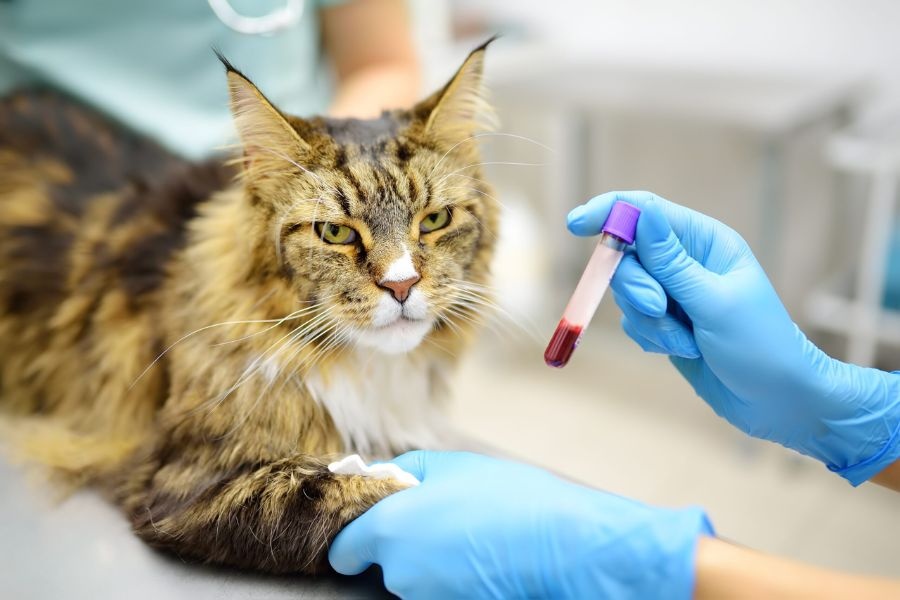
When your pet is not feeling well, a physical examination is an important first step. However, some health problems cannot be identified by looking at your pet or listening to the heart and lungs alone. Bloodwork, X rays, and ultrasound can provide veterinarians with additional information about what is happening inside the body.
For pet parents, hearing that diagnostic testing may be needed can sometimes feel confusing. Why does one pet need bloodwork while another needs an ultrasound? Why might an X ray be recommended for one condition but not another? The answer depends on your pet’s symptoms, medical history, physical examination findings, age, and overall health.
At Rockbrook Animal Clinic in Omaha, veterinary diagnostic care can help the veterinary team gather information needed to understand a pet’s condition and develop an appropriate care plan.
Why Pet Diagnostics Matter
Pet diagnostics are tools that help veterinarians investigate health concerns that may not be visible during a routine examination. Different tests provide different types of information, so the choice depends on what the veterinarian is trying to learn.
Bloodwork can provide information about blood cells, organ function, hydration, and other aspects of internal health. X rays can show bones and provide useful images of structures within the chest and abdomen. Ultrasound can create detailed images of soft tissues and organs while allowing veterinarians to observe certain structures in motion.
No single diagnostic test answers every question. In many cases, veterinarians use information from the physical examination and one or more diagnostic tools together.
What Can Bloodwork Tell Your Veterinarian?
Bloodwork is one of the most commonly used diagnostic tools in veterinary medicine. It can provide information that cannot be obtained from a physical examination alone.
Depending on the tests selected, bloodwork may help evaluate red and white blood cells, platelets, kidney function, liver related markers, blood sugar, proteins, electrolytes, and other indicators of health.
For example, a pet that is drinking more water than usual may require testing to investigate possible metabolic or organ related concerns. A pet with vomiting, appetite changes, weight loss, or unusual tiredness may also benefit from blood testing.
Bloodwork can sometimes help identify changes before a pet develops obvious outward signs. It can also provide useful information before certain treatments or procedures are considered.
When X Rays May Be Recommended
X rays are especially useful for examining bones and certain structures within the chest and abdomen. They can help veterinarians investigate injuries, changes in the lungs, some abdominal concerns, swallowed objects, and other conditions.
If your dog suddenly develops difficulty walking, an X ray may help evaluate the bones and joints. If your pet has coughing or breathing changes, chest images may provide information about the lungs and surrounding structures.
X rays can also be useful when a veterinarian needs to evaluate the size, shape, or position of certain structures. Depending on the concern, more than one view may be needed to obtain a clearer picture.
Because X rays provide a different type of information than bloodwork, your veterinarian may recommend both when appropriate.
How Ultrasound Differs From X Rays
Ultrasound uses sound waves to create images of internal structures. It is particularly useful for examining soft tissues and organs.
An ultrasound examination can provide detailed information about structures such as the liver, kidneys, spleen, bladder, intestines, and other abdominal organs. It can also help a veterinarian evaluate fluid, tissue changes, or abnormalities that may require a closer look.
One important difference is that ultrasound can provide information about the appearance and structure of soft tissues in greater detail than a standard X ray in many situations.
Ultrasound and X rays are not competing tests. They are different diagnostic tools that can complement each other.
How Veterinarians Choose the Right Test
The decision to recommend bloodwork, X rays, ultrasound, or a combination of tests usually begins with a thorough physical examination.
Your veterinarian may consider:
- Your pet’s age
- Current symptoms
- How long symptoms have been present
- Medical history
- Previous diagnostic results
- Appetite and drinking habits
- Weight changes
- Activity and behavior
- Medications
- Findings from the physical examination
The veterinarian then considers which diagnostic tool is most likely to provide useful information.
For instance, a pet with a suspected bone injury may benefit from X rays, while a pet with unexplained changes in organ function may need bloodwork. A pet with abdominal concerns may benefit from ultrasound, particularly when soft tissue structures need closer evaluation.
When Multiple Tests May Be Helpful
Sometimes one diagnostic test does not provide the complete picture. Your veterinarian may recommend several tests because each one answers a different question.
Imagine a dog that has been losing weight and eating less. Bloodwork could provide information about organ function and blood cell changes. If those results suggest that additional investigation is needed, imaging may help examine internal structures.
Another example could involve a pet with abdominal discomfort. Bloodwork may help identify signs of inflammation or changes involving internal organs, while ultrasound could provide detailed information about the abdominal structures.
Using several sources of information can help veterinarians build a clearer understanding of what may be affecting your pet.
The Role of Diagnostic Testing During Wellness Care
Diagnostic testing is not limited to pets that appear sick. Depending on age, medical history, and individual risk factors, veterinarians may recommend certain testing as part of ongoing health monitoring.
Routine testing can establish useful baseline information. If results change in the future, having previous values available may make it easier for your veterinarian to recognize trends.
Senior pets may also benefit from more frequent monitoring because age can increase the likelihood of certain health changes. Your veterinarian can recommend appropriate testing based on your pet’s individual needs.
What Happens After Testing?
Diagnostic testing is only one part of the process. Once results are available, your veterinarian reviews them alongside your pet’s symptoms, physical examination findings, and medical history.
Sometimes results are reassuring and no additional testing is necessary. In other situations, the findings may suggest that additional evaluation would be useful.
Your veterinarian may recommend monitoring, changes to your pet’s care plan, additional imaging, laboratory testing, or other appropriate steps based on the results.
This is why it is important to view diagnostic testing as part of a larger process rather than as an isolated procedure.
Preparing Your Pet for Diagnostic Testing
Your veterinary team will provide instructions based on the type of test being performed. Some diagnostic procedures may require specific preparation, while others may not.
Before the appointment, make sure your veterinarian knows about all medications and supplements your pet receives. Share information about recent changes in appetite, thirst, bathroom habits, energy, weight, or behavior.
If you have previous medical records or diagnostic results from another veterinary practice, bringing those records can also be helpful. Comparing current findings with previous information may provide valuable context.
Following preparation instructions carefully can help the veterinary team obtain useful diagnostic information.
Why Early Investigation Can Be Valuable
Pets often hide signs of illness. A dog or cat may continue eating, interacting with family members, or following familiar routines even when something inside the body has changed.
This is one reason diagnostic testing can be valuable when a veterinarian notices something unusual during an examination. Investigating a subtle change can provide information that may otherwise remain hidden.
Pet parents should also pay attention to changes at home. Increased thirst, appetite changes, weight loss, reduced activity, altered behavior, vomiting, diarrhea, coughing, or changes in bathroom habits are all worth discussing with a veterinarian.
Making Diagnostic Care Individualized
Every pet is different. A diagnostic plan should reflect the animal’s symptoms, health history, age, physical examination, and specific concerns.
Some pets may need only one type of test, while others may benefit from a combination of laboratory testing and imaging. Your veterinarian can explain why a particular test is being recommended and what information it may provide.
Understanding the purpose of each test can make the diagnostic process easier for pet parents. Rather than wondering why your pet needs bloodwork, X rays, or ultrasound, you can view each option as a tool designed to answer specific health questions.
Schedule Pet Diagnostic Care in Omaha
If your pet has experienced unexplained symptoms or your veterinarian has recommended diagnostic testing, Rockbrook Animal Clinic can help you understand the next steps. Schedule an appointment or use the online booking option to discuss your pet’s health concerns with our veterinary team. Appropriate veterinary diagnostic care can provide valuable information and help guide decisions based on your pet’s individual needs.
FAQ or Frequently Asked Questions
Q1. Does every pet with health symptoms need bloodwork, X rays, and ultrasound?
Ans: No. The recommended tests depend on your pet’s symptoms, physical examination, medical history, age, and the specific questions the veterinarian needs to answer. Some pets may need one test, while others may benefit from multiple diagnostic methods.
Q2. What is the difference between an X ray and an ultrasound for pets?
Ans: X rays are particularly useful for evaluating bones and certain structures in the chest and abdomen. Ultrasound provides detailed images of many soft tissues and organs. Your veterinarian chooses between them based on the suspected health concern.
Q3. Can bloodwork detect health problems that are not visible during a physical examination?
Ans: Yes. Bloodwork can provide information about blood cells, organ function, electrolytes, blood sugar, and other internal processes. This information may reveal changes that are not apparent from a physical examination alone.
Q4. Is diagnostic testing useful for senior pets?
Ans: Diagnostic testing may be useful for senior pets because ongoing monitoring can help veterinarians track changes in health over time. The appropriate testing schedule depends on the pet’s age, medical history, physical findings, and individual needs.
Q5. What should I tell my veterinarian before my pet has diagnostic testing?
Ans: Share information about your pet’s symptoms, appetite, water consumption, behavior, weight, medications, supplements, and previous medical conditions. Your veterinarian can use this information when deciding which diagnostic tests may be appropriate.