2814 S 107th Ave, Omaha, NE 68124

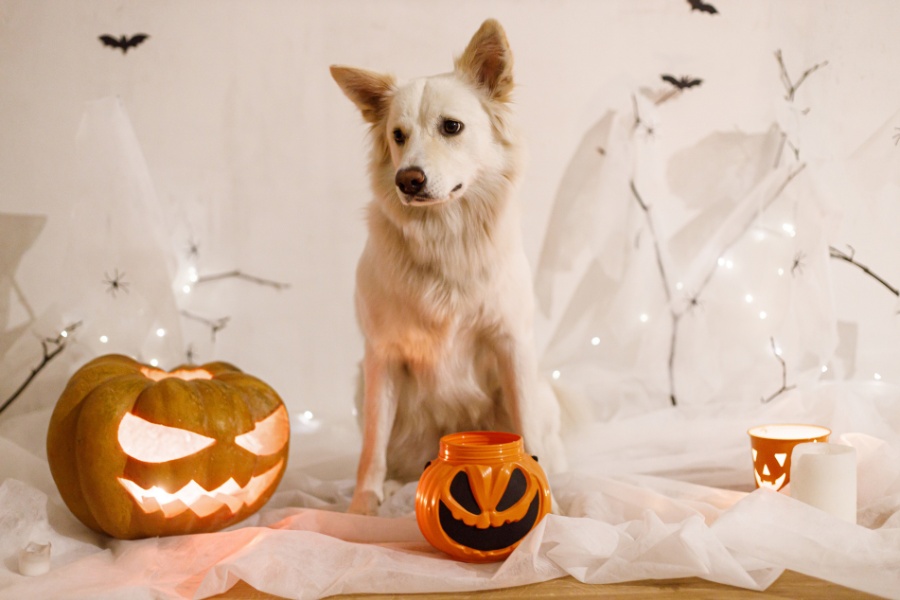
Halloween brings candy bowls, chocolate bars, caramel treats, and festive desserts into many Omaha homes. While these seasonal favorites are enjoyable for people, they can create health concerns for dogs that sneak food from countertops, open bags, or unattended party tables. Beyond the risks associated with certain candy ingredients, rich and fatty treats can also affect a dog’s digestive health.
If you are looking for a veterinarian in Omaha, understanding how Halloween sweets may affect your dog’s pancreas can help you make informed decisions about seasonal treats. Rockbrook Animal Clinic encourages pet owners to practice sensible food safety and recognize when a dog’s symptoms may require professional vet care.
What Is Pancreatitis in Dogs?
The pancreas is a small organ located near the stomach and small intestine. It produces digestive enzymes that help break down food and hormones, including insulin, that help regulate blood sugar. When the pancreas becomes inflamed, a condition called pancreatitis develops.
Pancreatitis can range from mild illness to a serious condition that requires intensive veterinary treatment. During inflammation, digestive enzymes may become activated in ways that damage pancreatic tissue and contribute to discomfort and other complications.
Dogs can develop pancreatitis for several reasons, and the cause is not always clear. However, eating an unusually rich or high-fat meal is a recognized risk factor. Halloween candy and desserts may contain butter, cream, oils, chocolate, or other ingredients that make them unsuitable for dogs.
It is important to understand that not every dog that eats candy will develop pancreatitis. The risk depends on the food, the quantity consumed, the dog’s individual health, and other contributing factors.
How Halloween Candy May Contribute to Pancreatitis
Many Halloween treats contain more fat than a dog’s regular diet. Chocolate-filled candies, peanut butter cups, creamy desserts, caramel confections, and baked goods may contain concentrated fats and oils. When a dog eats a large quantity of rich food, the sudden dietary change may contribute to digestive upset and increase the risk of pancreatitis in susceptible animals.
For example, a dog that eats several pieces of candy along with leftover cake, buttery pastries, or fatty table scraps may consume far more fat than usual. Dogs with a previous history of pancreatitis or certain underlying health conditions may be particularly vulnerable.
Chocolate also presents a separate concern because it contains theobromine and caffeine, which can be toxic to dogs. Dark chocolate and baking chocolate generally contain higher concentrations of these substances than milk chocolate.
Sugar-free candy can introduce another hazard if it contains xylitol. This sweetener can cause dangerously low blood sugar in dogs and may lead to liver injury.
Therefore, Halloween candy can threaten canine health in several different ways. Pancreatitis is one possible concern associated with rich foods, but chocolate toxicity, xylitol exposure, and digestive problems must also be considered.
Which Halloween Treats Should Dogs Avoid?
Knowing what is in common Halloween treats can help you prevent accidental ingestion.
- Chocolate bars and brownies: Chocolate contains compounds that can harm dogs, while brownies may also contain butter, oils, and other rich ingredients.
- Peanut butter cups: These often combine chocolate with a high-fat filling, making them unsuitable for dogs.
- Caramel and creamy candies: These may contain substantial amounts of sugar and fat, which can upset digestion.
- Sugar-free gum and candy: Some products contain xylitol, which is particularly dangerous to dogs.
- Frosted cakes and cookies: These may contain butter, cream, chocolate, artificial sweeteners, or other ingredients that are not appropriate for pets.
- Candy wrappers: Foil, plastic, and paper wrappers can create choking risks or contribute to intestinal obstruction if swallowed.
Keep candy in closed cupboards or containers, and avoid leaving treat bags on sofas, bedside tables, or low countertops. After Halloween activities, check floors and outdoor walkways for dropped sweets and wrappers.
Recognizing the Signs of Pancreatitis
The signs of pancreatitis can vary between dogs. Some develop mild digestive symptoms, while others become noticeably unwell and require prompt assessment.
Common signs include:
- Repeated vomiting
- Reduced appetite or refusal to eat
- Abdominal pain or tenderness
- Diarrhea
- Unusual tiredness or weakness
- Dehydration
- A hunched posture or reluctance to move comfortably
Some dogs may appear restless or repeatedly stretch their front legs while keeping their hindquarters raised. This posture can sometimes indicate abdominal discomfort, although it is not specific to pancreatitis.
These signs can overlap with other digestive conditions and illnesses. Pet owners cannot reliably confirm pancreatitis based on symptoms alone, so a veterinary examination is important when a dog develops persistent vomiting, abdominal discomfort, or other concerning changes after eating unusual food.
If your dog has eaten chocolate or a product containing xylitol, contact a veterinarian promptly even if symptoms have not appeared.
Which Dogs May Have a Higher Risk?
Although any dog can develop pancreatitis, certain factors may increase concern. Dogs with a previous episode of pancreatitis may be more susceptible to another episode, making dietary management particularly important.
Dogs that are overweight or have underlying metabolic conditions may also need extra care around rich foods. Some breeds appear to have a greater predisposition to pancreatitis, but individual risk varies, and breed alone cannot determine whether a dog will develop the condition.
Another important factor is access to food. Dogs that frequently investigate trash cans, steal food from counters, or receive table scraps may be more likely to consume large quantities of unfamiliar treats.
If your dog has a history of digestive illness or follows a veterinarian-recommended diet, keep Halloween treats completely separate from its regular food. Ask your veterinary team which treats are appropriate for your dog’s individual needs rather than relying on general advice.
What Happens During Veterinary Evaluation?
When pancreatitis is suspected, a veterinarian will consider the dog’s symptoms, medical history, recent food intake, and physical examination findings. The veterinarian may check for abdominal discomfort, dehydration, and other signs of illness.
Diagnostic testing may include blood tests and specialized testing for pancreatic inflammation. Imaging, such as abdominal ultrasound, may also be recommended when appropriate. No single finding is always enough to establish the diagnosis, so the veterinarian interprets results alongside the dog’s overall condition.
Treatment depends on the severity of the illness and the dog’s needs. It may involve fluids, medication to control nausea and pain, nutritional support, and monitoring. Dogs with more serious illness may require hospitalization.
Recovery times vary. Some dogs improve with appropriate treatment, while others need a longer period of care and follow-up. Following the veterinarian’s dietary instructions is important, particularly for dogs that have experienced pancreatitis before.
How to Prevent Halloween-Related Digestive Problems
A few simple habits can make Halloween safer for your dog.
First, keep candy bowls, dessert trays, and treat bags out of reach. Closed cupboards are more reliable than placing sweets on high surfaces, since determined dogs may jump or climb to reach food.
Second, remind children and visitors not to share candy with pets. Provide dog-safe treats if you want your companion to participate in the celebration. Keep these treats consistent with your dog’s dietary needs and offer them in moderation.
Third, secure trash cans containing food scraps and wrappers. Dogs may investigate discarded packaging after guests leave, so clean up promptly rather than waiting until the next morning.
Finally, avoid introducing rich foods or unfamiliar snacks into your dog’s diet. If you plan to offer a special treat, choose an appropriate product and ask your veterinarian for guidance if your dog has a history of pancreatitis or other dietary concerns.
Get Guidance From Rockbrook Animal Clinic
Halloween should be enjoyable for the entire household, including your dog. Keeping candy out of reach, avoiding fatty leftovers, and recognizing changes in appetite or digestion can help reduce seasonal food-related risks.
If your dog has eaten Halloween candy and you are concerned about possible pancreatitis or another food-related problem, contact our vet clinic in Omaha. Visit the clinic’s website or contact the team to ask about appointment options and appropriate next steps. Prompt professional guidance can help you make informed decisions about your dog’s health.
Frequently Asked Questions
Q1. Can one piece of Halloween candy cause pancreatitis in my dog?
Ans: One piece does not automatically cause pancreatitis, but the risk depends on the candy’s ingredients, the amount eaten, and your dog’s health. Chocolate and xylitol-containing products also pose separate risks, so contact a veterinarian if your dog eats a potentially harmful treat.
Q2. How soon can pancreatitis symptoms appear after a dog eats fatty food?
Ans: Symptoms may develop within hours or over a longer period, depending on the dog and circumstances. Watch for vomiting, appetite changes, abdominal discomfort, and unusual tiredness, and contact a veterinarian if concerns arise.
Q3. Is sugar-free Halloween candy safer for dogs?
Ans: No. Some sugar-free products contain xylitol, which can cause dangerously low blood sugar and possible liver injury in dogs. Keep these products away from pets and contact a veterinarian promptly if ingestion is suspected.
Q4. Can a dog recover from pancreatitis after eating Halloween treats?
Ans: Many dogs recover with appropriate veterinary treatment, although outcomes depend on the severity of the illness and the dog’s overall health. Treatment may include fluids, medication, nutritional support, and monitoring.
Q5. What Halloween treats can I give my dog instead of candy?
Ans: Choose a dog-specific treat that suits your pet’s dietary needs, and offer it in moderation. Dogs with a history of pancreatitis may require a veterinarian-recommended diet, so check with your veterinary team before introducing new treats.