2814 S 107th Ave, Omaha, NE 68124

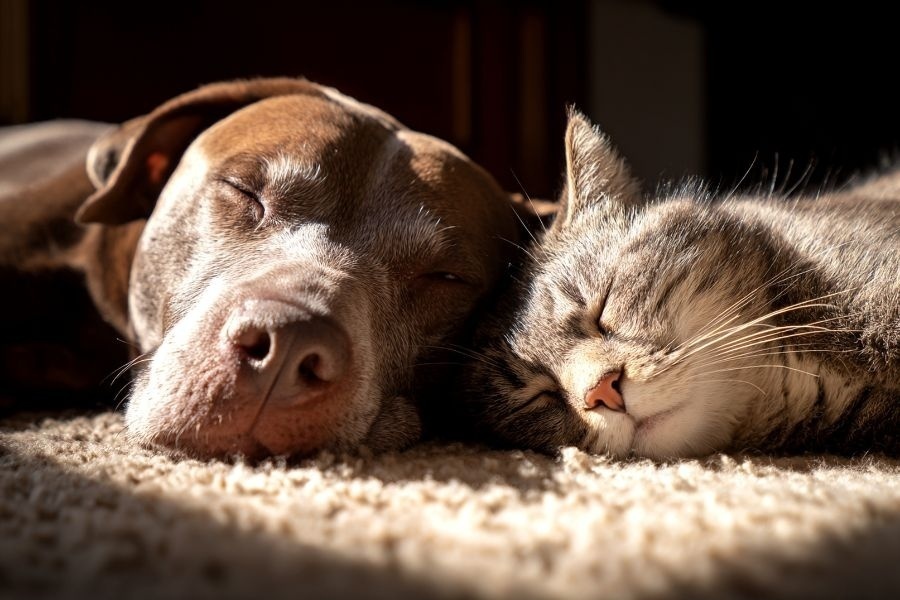
Your older dog bumps into the coffee table, or your senior cat hesitates at the edge of the stairs. Vision loss is common with age, and a few thoughtful changes at home can keep your pet safe and confident. It’s an important part of senior pet care, and so is knowing when to look for a veterinarian near me to find out what’s behind the change. For pet owners in Omaha, a safer home starts with understanding what your pet is experiencing.
Recognizing Vision Loss in Older Pets
Pets rarely act blind overnight. Vision usually fades gradually, and because dogs and cats rely so much on smell and hearing, they can hide the problem for a long time. Many owners only notice after a small change in the home, such as moved furniture, throws their pet off.
Common signs include bumping into walls or furniture, hesitating on stairs, startling easily when touched, and missing treats or toys that are tossed. Some pets stop jumping onto the couch or bed, or seem clumsy in dim light. You may also notice cloudy, bluish, or enlarged eyes, or eyes that look red or watery.
Not every cloudy eye means blindness. A bluish haze in older pets is often a harmless age-related change, but cataracts, glaucoma, retinal disease, and high blood pressure can all affect sight. Some of these cause pain or can lead to permanent loss if left untreated.
Because vision problems and other health issues can look alike, it’s best not to guess. Pain, cognitive changes, and arthritis can cause hesitation and confusion too. A veterinary exam helps sort out the cause and shows you how much your pet can actually see.
Why Reduced Vision Calls for a Veterinarian Near Me
Searching for a veterinarian near me is a smart first step as soon as you notice vision changes. Some eye conditions are painful emergencies, and others are signs of illness elsewhere in the body.
High blood pressure, for example, can damage the retina and cause sudden vision loss in older cats and dogs. Diabetes can lead to cataracts, especially in dogs. Glaucoma, a rise in eye pressure, can cause pain and permanent blindness within days if it isn’t treated. Seek prompt care if you see a red, squinting, bulging, or very cloudy eye, or if your pet suddenly seems blind.
During the visit, your veterinarian will examine the eyes, check pressure, and may recommend bloodwork, a urinalysis, and a blood pressure check. Depending on the findings, they may refer you to a veterinary eye specialist. Treating the underlying condition can sometimes protect remaining vision, and for others it can at least improve comfort.
Even when vision can’t be restored, you’re not out of options. Dogs and cats adapt remarkably well to blindness, especially in a safe, familiar home. Your veterinarian can also give advice tailored to your pet, including whether any eye drops, medications, or home changes make sense.
Making Your Home Safer for a Pet With Low Vision
The most powerful rule is to keep things consistent. Pets with poor vision build a mental map of your home, so avoid rearranging furniture, and keep food bowls, water, beds, and litter boxes in the same spots. If you must make a change, walk your pet through it slowly and let them sniff around.
Next, remove or pad hazards. Try these steps:
- Pad sharp corners on tables and furniture
- Block off stairs, pools, and balconies with sturdy gates or barriers
- Keep floors clear of clutter, cords, and shoes
- Use non-slip rugs or mats on slick floors
- Add gentle ramps or ramps with traction if jumping is difficult
Lighting matters too. Many pets with reduced vision see better in brighter light, so leave lamps on in the evening and add night lights along hallways and near stairs. Avoid strong glare, and keep pathways lit overnight when your pet may wander.
Use scent and texture as guides. A dab of pet-safe essential scent is not recommended, but you can use different textured mats at doorways, stairs, and water bowls so your pet can feel where they are. Scented pet-safe markers can help your pet identify rooms, and your veterinarian can advise on which products are safe.
Think about the yard as well. Check fences and gates, remove tools and low-hanging branches, and keep walks on familiar routes. Use a leash even in your own yard until your pet is confident.
Everyday Senior Pet Care Habits for Pets With Low Vision
Your voice and touch become important tools. Speak softly before you approach so you don’t startle your pet, and use a consistent cue, like a gentle hello, whenever you enter the room. Teach simple verbal commands such as “step,” “stop,” and “careful,” and reward your pet for responding. Many blind pets learn these cues quickly.
Keep mealtimes and walks on a steady schedule. Predictability reduces anxiety, which is especially helpful for senior pets already dealing with age-related changes. For dogs, a short harness with a handle can help you guide them safely around obstacles. For cats, provide low perches, soft pathways, and a quiet room where they can retreat.
Enrichment still matters. Scent games, puzzle feeders, and toys that rattle or crinkle keep the mind active without depending on sight. Gentle play and plenty of affection help your pet stay confident and connected.
Watch your pet for signs of stress, such as pacing, hiding, or sudden accidents, and tell your veterinarian if they appear. Regular checkups are an essential piece of senior pet care. Most veterinarians recommend senior wellness exams about every six months, so eye changes, blood pressure, and other conditions can be monitored before they become serious. Bring notes and short videos of how your pet moves around the house to help your veterinarian understand how they’re coping.
Conclusion: A Safer Home Builds Confidence
Reduced vision doesn’t have to mean a smaller life for your pet. With a consistent layout, good lighting, safe pathways, and patient guidance, many pets stay happy and confident for years. Pairing those home changes with regular exams is the heart of thoughtful senior pet care.
If you’ve noticed changes in your pet’s eyesight and are searching for a veterinarian near me, the team at Rockbrook Animal Clinic in Omaha is here to help. We can check for underlying causes, discuss treatment options, and offer practical advice for your home. Trust your instincts, because you know your pet best.
At Rockbrook Animal Clinic in Omaha, we are committed to helping senior pets stay safe, comfortable, and confident. Schedule your pet’s visit today and give your pet the care they deserve.
Frequently Asked Questions
Q1. How can I tell if my senior pet is losing their vision?
Ans: Common signs include bumping into objects, hesitating on stairs, startling easily, and missing tossed treats. Cloudy or red eyes are also clues. Because other conditions can look similar, a veterinary eye exam is the best way to confirm.
Q2. Can vision loss in older pets be reversed?
Ans: Sometimes. Certain causes, like cataracts, may be treatable, and managing conditions such as high blood pressure can protect remaining sight. Other types of vision loss can’t be reversed, so early evaluation gives your pet the best chance.
Q3. Is a blind pet unhappy?
Ans: Not necessarily. Pets rely heavily on smell and hearing, and many adapt very well to blindness, especially in a familiar and safe home. With patience and consistent routines, most continue to enjoy daily life.
Q4. Should I find a veterinarian near me right away if my pet’s eye looks cloudy?
Ans: A mild, bluish haze may be a normal age change, but it’s still worth having checked. Seek prompt care if the eye is red, painful, squinting, bulging, or if your pet seems to lose sight suddenly.
Q5. Can I move my pet’s bed or bowls once they’ve lost vision?
Ans: It’s best to keep them in the same place. If you must change something, walk your pet through the new layout slowly and let them explore with their nose until they feel comfortable.