2814 S 107th Ave, Omaha, NE 68124

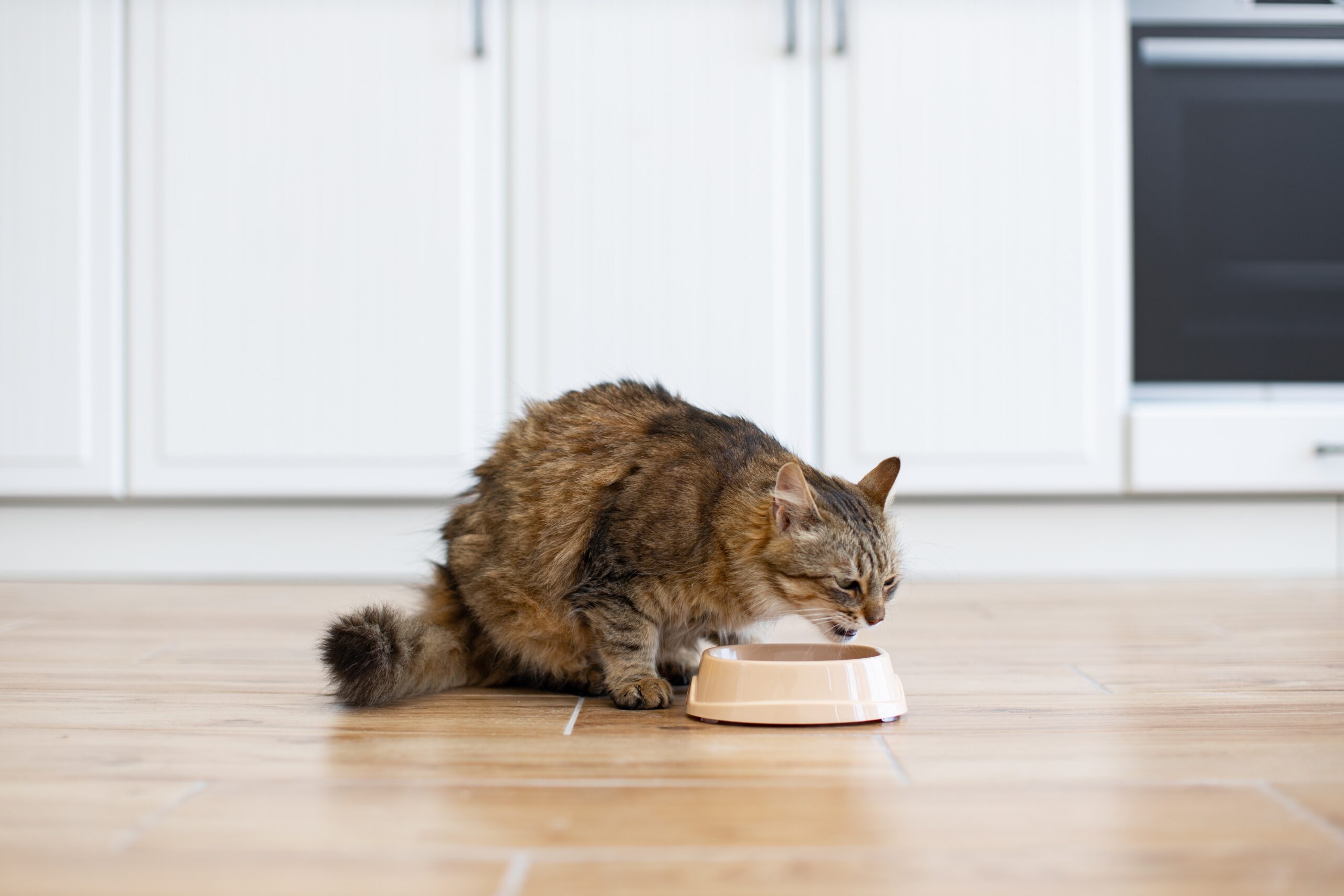
As pet owners, sharing our lives and our homes with furry companions brings immense joy. It is only natural to want to share everything with them, including what is on our plates. When those big, soulful eyes look up at you during dinner, slipping a small piece of food underneath the table feels like an act of pure love. However, many common household items and everyday human foods can pose serious hidden threats to your four-legged family members.
Understanding what is safe and what is harmful is a vital part of responsible pet parenting. While high-quality commercial pet foods are carefully formulated to meet your animal’s nutritional requirements, table scraps often introduce imbalances, excessive calories, or outright toxins. Here at Rockbrook Animal Clinic in Omaha, our team frequently educates pet owners on proper nutrition value and dietary safety to keep local pets healthy and thriving. Knowing which everyday ingredients to keep far away from your pets can prevent unexpected health crises.
The Allure of Table Scraps vs. Proper Nutrition Value
Every pet owner wants their companion to live a long, vibrant life. To achieve this, understanding the role of daily nutrition value is crucial. Dogs and cats have entirely different metabolic systems compared to humans. Nutrients that our bodies process easily can act as metabolic poisons in theirs.
When you feed your pet commercial formulas designed specifically for them, you are providing a balanced profile of proteins, fats, carbohydrates, and essential vitamins. Introducing random table scraps disrupts this delicate balance. Furthermore, many items commonly found in a pantry contain hidden ingredients that trigger severe physiological reactions. Let us explore the most hazardous items that you must keep away from your pets.
1. Chocolate, Caffeine, and Sweeteners
Most people know that chocolate is bad for dogs, but many do not realize just how dangerous it can be for both dogs and cats. Chocolate contains chemical compounds known as methylxanthines—specifically theobromine and caffeine. Dogs and cats process these substances very slowly, allowing them to build up to toxic levels. Dark chocolate and baking chocolate carry the highest concentrations and pose the greatest danger, leading to elevated heart rates, muscle tremors, and severe neurological distress.
Equally dangerous is xylitol, a common sugar substitute found in sugar-free gum, candies, baked goods, and even some brands of peanut butter. When a dog ingests xylitol, it triggers a rapid and massive release of insulin in the body. This results in a sudden, life-threatening drop in blood sugar (hypoglycemia) and can rapidly progress to severe liver failure. Always check ingredient labels carefully before sharing any baked goods or spreads.
2. Allium Vegetables: Onions, Garlic, and Chives
Members of the Allium family—including onions, garlic, shallots, leeks, and chives—are staples in human cooking, adding wonderful flavor to almost every savory dish. However, these same ingredients are exceptionally toxic to dogs and cats. Whether they are raw, cooked, powdered, or dehydrated, allium vegetables contain sulfur compounds that damage red blood cells.
When a pet consumes onions or garlic, these compounds cause red blood cells to rupture or form abnormal structures known as Heinz bodies, leading to a form of hemolytic anemia. Cats are particularly sensitive to this kind of cellular damage, but dogs can also become gravely ill after consuming relatively small amounts. Symptoms may not appear immediately, often taking a few days to manifest as extreme lethargy, weakness, and discolored urine.
3. Grapes, Raisins, and Other Hidden Dangers
Grapes, raisins, sultanas, and currants might seem like harmless, healthy snacks, but they are notoriously toxic to dogs. Even a tiny amount can induce sudden, acute kidney failure in susceptible animals. Because the exact toxic mechanism remains mysterious to veterinary science, any ingestion of grapes or raisin-containing foods must be treated with extreme caution.
Other items that demand vigilance include:
-
Macadamia Nuts: These can cause profound weakness, hyperthermia, and neurological tremors in dogs.
-
Alcohol and Raw Yeast Dough: Alcoholic beverages and unbaked dough containing active yeast can expand rapidly in the stomach, producing dangerous ethanol and severe, painful bloating.
-
High-Fat Meats and Bones: Fatty table scraps like bacon grease or chicken skin can trigger acute pancreatitis, while cooked bones can easily splinter and cause internal punctures or blockages.
Safe Alternatives for Your Four-Legged Friends
Just because table scraps are off-limits does not mean you cannot reward your pet with special snacks. Certified local vets and animal nutritionists often recommend substituting hazardous human foods with safe, wholesome alternatives. Clean, low-calorie treats can include small pieces of plain cooked chicken without seasoning, sliced carrots, plain pumpkin, or small chunks of seedless watermelon.
Portion control is key. Treats—even healthy ones—should never make up more than ten percent of your pet’s daily caloric intake. The remaining ninety percent should come from a well-balanced diet designed to support their unique physiological life stage.
Partnering with Professionals for Your Pet’s Wellness
Navigating canine and feline nutrition can sometimes feel overwhelming, especially with so much conflicting information online. If you ever suspect that your pet has ingested something harmful, or if you need guidance on tailoring an optimal diet for your companion, professional guidance makes all the difference.
Our team at Rockbrook Animal Clinic is proud to serve families throughout the Omaha area. From routine wellness evaluations to comprehensive nutritional counseling, our experienced veterinarians are here to help your pet live a long, vibrant life. Book online and reach out to our Omaha clinic today to schedule a consultation and ensure your companion enjoys optimal health from nose to tail.
FAQ
Q1. What should I do if my dog accidentally eats a piece of chocolate or a food containing garlic?
Ans: You should immediately contact your veterinarian or an animal poison control center to report the exact type and amount of food ingested so they can guide you on the next steps.
Q2. Are all types of onions and garlic equally dangerous for cats and dogs?
Ans: Yes, all forms—including raw, cooked, powdered, dehydrated, and concentrated extracts—contain toxic compounds that can damage red blood cells and cause severe anemia.
Q3. Can small amounts of grapes or raisins be safely given to dogs as training treats?
Ans: No, grapes and raisins are never safe for dogs because even small amounts can cause unpredictable, sudden kidney failure in some animals.
Q4. Why are fatty table scraps harmful if they are just natural foods?
Ans: Foods high in fat can overwhelm a pet’s digestive system, frequently triggering a painful and dangerous inflammation of the pancreas known as pancreatitis.
Q5. How can I ensure my pet receives proper daily nutrition value without relying on table scraps?
Ans: Sticking to high-quality, veterinarian-recommended commercial diets and utilizing safe, approved single-ingredient treats like plain carrots or lean cooked chicken will meet all their dietary requirements safely.