2814 S 107th Ave, Omaha, NE 68124

Discovering a lump near your cat’s abdomen or mammary glands can be worrying. While not every lump is cancerous, mammary tumors in cats deserve prompt veterinary attention because many are malignant and can spread to other parts of the body. Early evaluation helps veterinarians identify the nature of the growth and discuss treatment options suited to the cat’s condition.
Cat surgery may be recommended when a mammary tumor needs to be removed for treatment and laboratory analysis. Understanding the diagnostic process, surgical options, and recovery expectations can help owners make informed decisions. At Rockbrook Animal Clinic in Omaha, veterinary guidance can help cat owners understand the next steps when a mammary lump is discovered.
What Are Mammary Tumors in Cats?
Mammary tumors develop in the tissue surrounding a cat’s mammary glands. Cats have two rows of mammary glands along the underside of the body, extending from the chest toward the groin. A tumor may appear as a small nodule, a firm lump, or several growths along this area.
Mammary tumors can be benign or malignant. However, a high proportion of mammary tumors in cats are cancerous, which makes prompt assessment important. Malignant tumors can invade nearby tissues and spread to organs such as the lungs or regional lymph nodes.
A lump’s appearance alone cannot reliably determine whether it is cancerous. Some growths may initially be small and painless, while others can become ulcerated, swollen, or uncomfortable. A veterinarian must examine the area and recommend appropriate diagnostic testing to understand what is happening.
Signs Cat Owners Should Watch For
Mammary tumors may develop gradually, so checking your cat’s underside during normal grooming or handling can help you notice changes. Avoid squeezing or repeatedly pressing a lump, as this can cause discomfort and will not establish a diagnosis.
Possible signs include:
- One or more lumps along the mammary glands
- Firm swellings beneath the skin of the abdomen
- Changes in the size or shape of a previously noticed lump
- Redness, irritation, or ulceration over a growth
- Discharge or bleeding from an affected area
- Persistent licking around the mammary glands
- Reduced appetite, weight loss, or decreased activity in advanced cases
These signs do not confirm mammary cancer, but they warrant veterinary evaluation. If a lump grows quickly, becomes painful, or develops an open wound, contact your veterinarian promptly. Early assessment may provide more treatment options and help determine whether surgery is appropriate.
How Veterinarians Diagnose Mammary Tumors
Before recommending veterinary surgery, the veterinarian evaluates the growth and your cat’s overall health. The appointment typically begins with a medical history and physical examination. You may be asked when the lump first appeared, whether it has changed, and whether your cat has experienced appetite or behavior changes.
The veterinarian examines the mammary glands for additional nodules and may assess nearby lymph nodes for enlargement. Because more than one growth can be present, checking the entire mammary chain helps inform treatment planning.
Additional tests may be recommended to assess the tumor and determine whether it has spread. Depending on the findings, these may include:
- Blood tests: These help evaluate general health and identify issues that could affect anesthesia or treatment.
- Chest imaging: X-rays or other imaging may be used to look for possible spread to the lungs.
- Abdominal imaging: Ultrasound may help assess internal organs when clinically indicated.
- Lymph node evaluation: Enlarged or suspicious lymph nodes may require further investigation.
- Tissue analysis: A biopsy or examination of the removed tumor helps establish the diagnosis and identify tumor characteristics.
Fine needle sampling can sometimes provide useful information, but it may not definitively classify every mammary mass. Histopathology, in which tissue is examined under a microscope, is often important after removal.
When Is Surgery Recommended for a Mammary Tumor?
Surgery is frequently a central part of treatment when a mammary tumor can be removed and the cat is considered a suitable candidate. The decision depends on the tumor’s size, location, number of affected glands, evidence of spread, and the cat’s overall health.
Smaller tumors may be easier to remove completely than larger growths that have invaded surrounding tissue. However, tumor size alone does not determine the treatment plan. The veterinarian also considers whether nearby lymph nodes are affected and whether imaging suggests disease elsewhere in the body.
Even when a tumor is suspected to be malignant, removing it may provide meaningful local disease control in selected cases. If the cancer has spread extensively, surgery may offer less benefit, and other treatment or comfort-focused options may be discussed.
The purpose of the consultation is to understand the likely benefits, limitations, and risks before deciding on a procedure.
Types of Cat Surgery for Mammary Tumors
The surgical approach depends on the tumor’s location, number, and extent. The veterinarian may recommend removing an individual mass or a larger area of mammary tissue.
Removal of an Individual Mass
In selected cases, a localized mass may be removed with surrounding tissue. This approach may be considered when the findings support a limited procedure, although the suitability of removing only one lump depends on the suspected tumor type and risk of additional disease.
Removal of a Mammary Gland or Mammary Chain
Some cats may benefit from removal of the affected mammary gland or a larger section of the mammary chain. A more extensive procedure may be recommended when several glands are involved or when wider removal is needed to achieve appropriate surgical margins.
The veterinarian will explain which approach is appropriate for your cat and why. More extensive procedures can involve a larger incision and may require additional recovery support.
Lymph Node Removal
If nearby lymph nodes appear affected or need assessment, the veterinarian may recommend removing or sampling them as part of the treatment plan. This helps evaluate the extent of disease and may guide further recommendations.
These procedures are forms of pet surgical services that require careful planning, anesthesia monitoring, and postoperative care.
Preparing Your Cat for Surgery
Before surgery, the veterinary team reviews your cat’s medical history, current medications, and any existing health conditions. Bloodwork and other diagnostic tests may be recommended to assess anesthetic risk and overall fitness for the procedure.
Follow the clinic’s instructions regarding food, water, and medication before the operation. Do not stop prescribed medication or change feeding instructions without veterinary guidance.
Ask questions about the planned procedure, expected incision size, pain management, laboratory testing, and follow-up schedule. Understanding these details can help you prepare a quiet recovery area and arrange the care your cat will need after returning home.
Recovery and Follow-Up After Mammary Tumor Surgery
Recovery depends on the extent of the operation and your cat’s overall health. After cat surgery, your veterinarian will provide instructions for incision care, activity restriction, feeding, and prescribed medication.
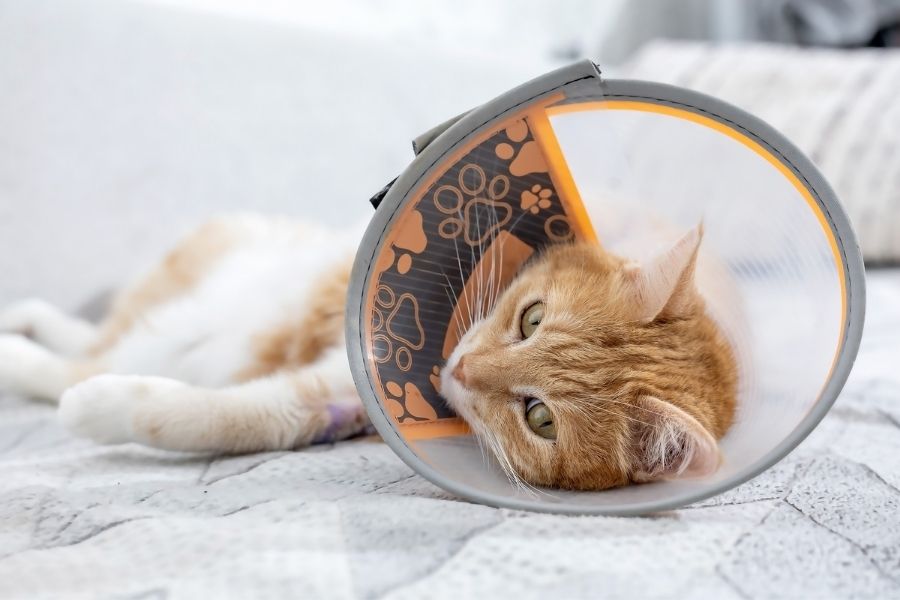
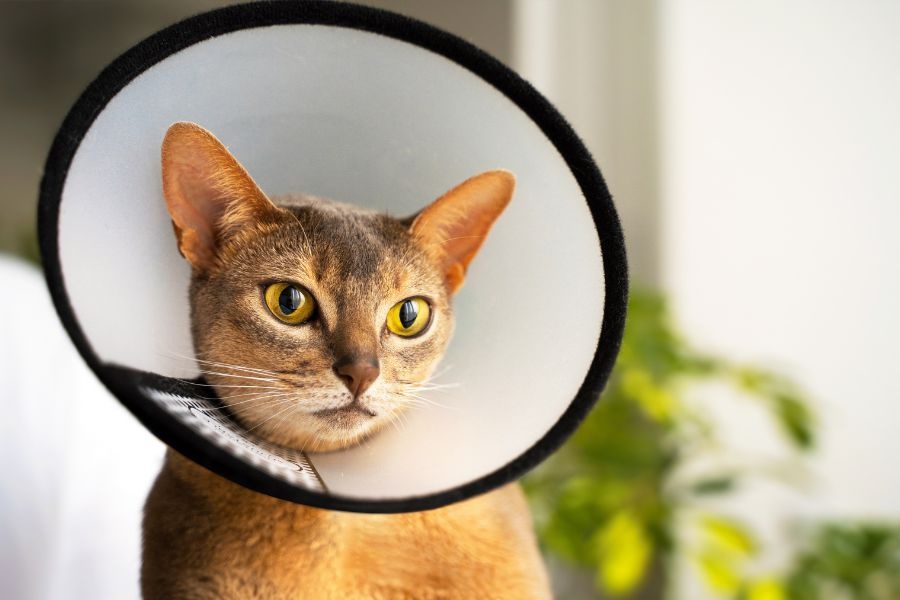
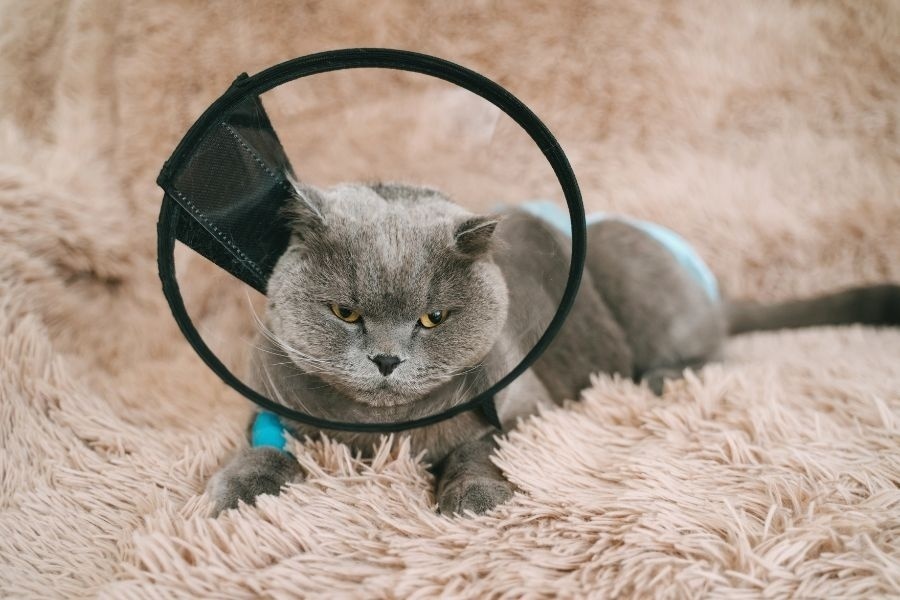
Keep your cat indoors and limit jumping, climbing, and vigorous play until the veterinarian approves a return to normal activity. Prevent licking or chewing at the incision, using a protective collar if recommended. Check the surgical site daily for increasing redness, swelling, discharge, bleeding, or separation of the wound.
Contact your veterinarian if your cat develops repeated vomiting, unusual weakness, worsening pain, difficulty breathing, or other concerning changes. Follow-up visits allow the team to assess healing and discuss the laboratory results.
Histopathology findings may clarify whether the tumor was malignant, whether the surgical margins appear clear, and what additional care may be appropriate. Depending on the diagnosis and risk of spread, the veterinarian may discuss consultation with a veterinary oncologist, further testing, or additional treatment. Regular monitoring is important even after the incision has healed.
Schedule a Consultation at Rockbrook Animal Clinic in Omaha
A new mammary lump should never be ignored, even if your cat appears comfortable and continues eating normally. Early veterinary evaluation helps identify the likely cause, assess the extent of the condition, and determine whether surgery is an appropriate option.
Contact Rockbrook Animal Clinic in Omaha to arrange an appointment if you have noticed a lump or change around your cat’s mammary glands. Share when you first noticed the growth and whether it has changed in size or appearance. The veterinary team can examine your cat, recommend diagnostic testing, and explain potential treatment options based on the findings.
Frequently Asked Questions
Q1. Are most mammary tumors in cats cancerous?
Ans: A high proportion of feline mammary tumors are malignant. However, a lump cannot be classified by appearance alone. Veterinary evaluation and tissue analysis help establish the diagnosis and guide treatment decisions.
Q2. Does every cat with a mammary tumor need surgery?
Ans: Not every cat is a suitable candidate for surgery. The decision depends on tumor characteristics, overall health, and whether the disease has spread. Your veterinarian can explain the likely benefits and limitations of surgery alongside other care options.
Q3. Can mammary tumors spread to other parts of a cat’s body?
Ans: Yes. Malignant mammary tumors can spread to nearby lymph nodes and distant organs, including the lungs. Diagnostic imaging and other tests may be recommended to assess the extent of disease before treatment.
Q4. Will my cat need additional treatment after mammary tumor surgery?
Ans: Additional care depends on the tumor’s type, size, surgical margins, and evidence of spread. Some cats need monitoring alone, while others may benefit from further testing or consultation with a veterinary oncologist.
Q5. How can I help my cat recover after mammary tumor removal?
Ans: Follow the veterinarian’s instructions for medication, incision care, feeding, and activity restriction. Prevent licking at the wound, attend follow-up appointments, and report swelling, discharge, reduced appetite, or other concerning changes.