2814 S 107th Ave, Omaha, NE 68124

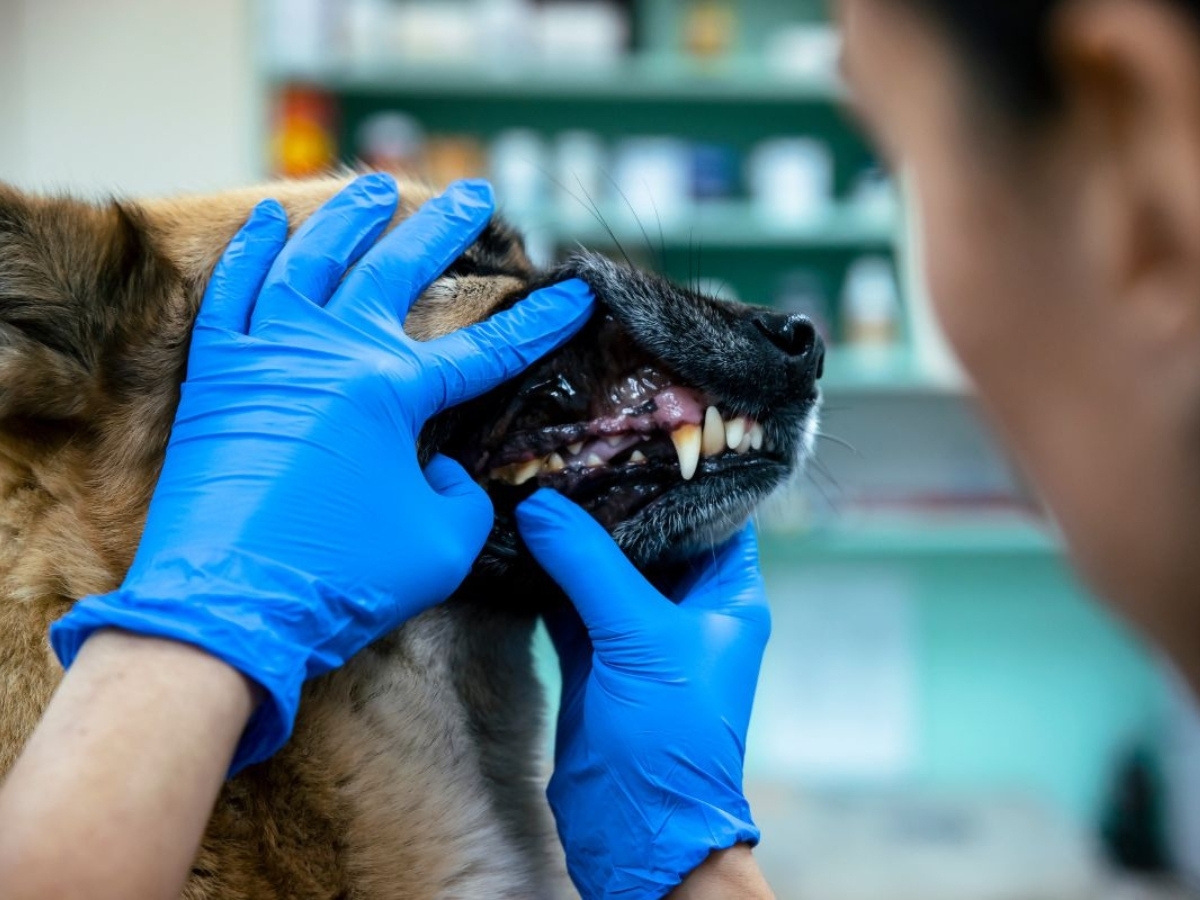
Many pet owners focus on nutrition, exercise, and annual wellness exams to keep their companions healthy. However, dental health is often overlooked. Just like humans, pets can develop plaque, tartar buildup, gum disease, and other oral health problems that affect their overall well-being. Without proper attention, dental issues can progress and lead to discomfort, infection, and even systemic health concerns.
Routine dental cleanings play a vital role in maintaining your pet’s long-term health. By preventing oral disease and identifying problems early, professional dental care helps pets live healthier and more comfortable lives. For pet owners in Omaha, NE, understanding the value of preventive dental services can make a significant difference in supporting lifelong wellness.
Why Dental Health Matters for Pets
A healthy mouth does more than provide fresh breath. Oral health directly impacts a pet’s ability to eat, play, and enjoy daily activities. When plaque and tartar accumulate on the teeth, bacteria can irritate the gums and lead to periodontal disease.
Over time, untreated dental disease may cause:
- Pain and discomfort
- Inflamed or bleeding gums
- Tooth loss
- Difficulty eating
- Chronic bad breath
- Infection in the surrounding tissues
In severe cases, oral bacteria can enter the bloodstream and affect major organs such as the heart, liver, and kidneys. Therefore, maintaining good oral hygiene is an important part of preventive healthcare.
Understanding Plaque and Tartar Buildup
Dental disease often begins with plaque, a sticky film of bacteria that forms on teeth after eating. If plaque is not removed regularly, it hardens into tartar.
Unlike plaque, tartar cannot be removed through brushing alone. As tartar accumulates along the gumline, it creates an environment where harmful bacteria thrive. Consequently, gum inflammation develops and may progress into periodontal disease.
Professional cleanings help remove both plaque and tartar before they cause significant damage.
What Happens During a Professional Dental Cleaning?
A professional dental cleaning involves much more than simply polishing teeth. Veterinary teams perform a thorough evaluation and cleaning process designed to improve oral health and identify hidden concerns.
A typical dental cleaning may include:
Comprehensive Oral Examination
Before cleaning begins, the veterinarian evaluates the mouth, teeth, and gums for signs of disease, fractures, infection, or abnormal growths.
Scaling
Specialized instruments remove plaque and tartar from both above and below the gumline. This step is essential because bacteria often accumulate in areas that are difficult to see.
Polishing
After scaling, the teeth are polished to smooth the enamel surface. As a result, plaque has a harder time adhering to the teeth.
Dental Radiographs
Dental X-rays help identify problems beneath the gumline that may not be visible during a visual examination. These images reveal issues such as root damage, bone loss, or hidden infections.
Treatment Recommendations
If any concerns are discovered, the veterinary team can develop a personalized treatment plan to address your pet’s specific needs.
The Benefits of Routine Dental Cleanings
Regular dental cleanings offer numerous health benefits that extend beyond the mouth.
Prevents Periodontal Disease
Periodontal disease is one of the most common health conditions affecting dogs and cats. Fortunately, routine cleanings significantly reduce the risk of gum disease by removing harmful bacteria before serious damage occurs.
Reduces Bad Breath
Persistent bad breath is often caused by bacterial growth in the mouth. Professional cleanings remove plaque and tartar, helping improve breath quality and overall oral hygiene.
Supports Better Nutrition
Healthy teeth and gums allow pets to chew comfortably. Consequently, they can enjoy their meals without pain or difficulty.
Protects Overall Health
Because oral bacteria can travel through the bloodstream, maintaining good oral health may help reduce risks associated with certain systemic health issues.
Improves Quality of Life
Pets with healthy mouths are often more active, comfortable, and willing to engage in daily activities. Preventive dental care contributes to a better overall quality of life.
Signs Your Pet May Need a Dental Evaluation
Although routine cleanings are recommended even when no symptoms are present, certain signs may indicate developing dental problems.
Watch for:
- Persistent bad breath
- Red or swollen gums
- Excessive drooling
- Difficulty chewing
- Loose or damaged teeth
- Pawing at the mouth
- Bleeding gums
- Reduced appetite
If you notice any of these symptoms, scheduling a dental examination is important.
How Often Should Pets Receive Dental Cleanings?
The frequency of dental cleanings varies depending on several factors.
These may include:
- Age
- Breed
- Size
- Existing dental health
- Diet
- Medical history
Some pets may benefit from annual cleanings, while others may require more frequent dental care. Your veterinarian can recommend an appropriate schedule based on your pet’s individual needs.
The Role of At-Home Dental Care
Professional cleanings are essential; however, home care also plays an important role in maintaining oral health between veterinary visits.
Helpful home care practices include:
Regular Tooth Brushing
Brushing your pet’s teeth helps remove plaque before it hardens into tartar.
Dental Diets
Certain specially formulated diets may help reduce plaque accumulation.
Dental Treats and Chews
Veterinarian-approved dental products can support oral hygiene while providing enrichment.
Routine Oral Checks
Monitoring your pet’s mouth at home can help you notice changes that may require veterinary attention.
When combined with professional services, at-home care creates a comprehensive approach to pet dental care.
Why Early Prevention Is Better Than Treatment
Preventive dentistry often saves pets from discomfort and more extensive procedures later. Addressing dental disease early helps preserve healthy teeth and gums while reducing the likelihood of advanced complications.
Furthermore, early intervention can often lower long-term healthcare costs associated with severe dental disease and related health problems.
Rather than waiting for symptoms to appear, proactive dental care allows veterinarians to identify concerns before they become serious.
Dental Health Through Every Life Stage
Dental care remains important throughout a pet’s life.
Puppies and Kittens
Early oral evaluations help ensure proper tooth development and identify potential concerns.
Adult Pets
Routine cleanings and examinations help prevent plaque accumulation and periodontal disease.
Senior Pets
Older pets often face a greater risk of dental disease. Therefore, regular evaluations become even more important for maintaining comfort and health.
Regardless of age, every pet benefits from consistent attention to oral wellness.
Choosing a Veterinary Team for Dental Care
Selecting a veterinary provider that prioritizes dental health is an important part of preventive care. A knowledgeable team can provide thorough evaluations, advanced diagnostic tools, and customized recommendations that support lifelong oral health.
Routine assessments, professional cleanings, and ongoing monitoring all contribute to maintaining a healthy mouth and a healthier pet.
Conclusion
If you’re in Omaha, NE, and looking for pet dental care, contact Rockbrook Animal Clinic. Our veterinary team is committed to helping pets maintain healthy teeth and gums through comprehensive dental evaluations, professional cleanings, and personalized preventive care. By prioritizing routine dental services, you can help your pet enjoy better oral health, improved comfort, and a higher quality of life for years to come.
Frequently Asked Questions
1. Why are routine dental cleanings important for pets?
Routine dental cleanings help remove plaque and tartar buildup, prevent periodontal disease, reduce bad breath, and support overall health.
2. How often should my pet have a professional dental cleaning?
The frequency depends on your pet’s age, breed, and oral health status. Many pets benefit from annual evaluations and cleanings.
3. Are dental cleanings performed under anesthesia?
Yes. Veterinary dental procedures are typically performed under anesthesia to ensure safety, comfort, and a thorough cleaning process.
4. What are the signs of dental disease in pets?
Common signs include bad breath, swollen gums, excessive drooling, difficulty chewing, loose teeth, and reduced appetite.
5. Can dental disease affect other parts of the body?
Yes. Oral bacteria can enter the bloodstream and potentially impact organs such as the heart, liver, and kidneys.
6. What can I do at home to support my pet’s dental health?
Regular tooth brushing, dental chews, dental diets, and routine oral checks can help maintain good oral hygiene between professional visits.