2814 S 107th Ave, Omaha, NE 68124

Winter in Omaha can bring freezing temperatures, icy sidewalks, snow-covered yards, and unpredictable weather. While these conditions may be part of the season for local pet owners, they can create additional challenges when a dog is recovering from surgery. A short potty break can become uncomfortable, slippery outdoor surfaces may increase the risk of injury, and cold temperatures can make it harder to maintain a comfortable recovery environment.
After pet surgery, your dog needs more than rest and prescribed medication. A safe indoor space, controlled movement, careful outdoor supervision, and protection from winter weather all contribute to a smoother healing process. Whether your companion has undergone a routine procedure or a more involved operation, adjusting your home and daily schedule for Omaha’s winter conditions can make recovery easier.
Why Winter Recovery Requires Extra Planning
Surgical recovery involves tissue healing, pain management, and gradually returning to normal activity. During this period, dogs may have temporary restrictions on walking, running, jumping, and playing. Winter weather adds another layer of concern because icy surfaces and extreme cold can make even necessary outdoor activities difficult.
A dog that normally enjoys running through the backyard may need to remain on a short leash while healing. Snow can also hide uneven ground, frozen patches, and other obstacles that increase the chance of slipping. Even a brief loss of balance can put unnecessary strain on an incision or healing joint.
Cold weather may also affect how comfortable your dog feels after surgery. Pets recovering from anesthesia may need additional warmth and supervision, depending on their condition and the procedure performed. Planning ahead helps you provide a calm, comfortable environment without interrupting important recovery instructions.
Follow Your Veterinarian’s Individual Surgical Recovery Plan
Every surgical procedure has different recovery requirements. A dog recovering from a soft tissue procedure may have different restrictions from one undergoing orthopedic surgery. Your pet’s age, body condition, existing health concerns, procedure type, and overall physical condition can all influence a surgical plan.
Before bringing your dog home, ask your veterinary team about activity restrictions, medication schedules, incision monitoring, feeding instructions, and the expected recovery timeline. Find out how long your dog should avoid stairs, jumping onto furniture, or playing with other pets.
It is also important to understand which outdoor activities are permitted. Some dogs may need brief leash walks for bathroom breaks, while others may require more extensive movement restrictions.
Do not change your dog’s activity level simply because it appears energetic or seems comfortable. Healing tissues may still be vulnerable even when your companion is eager to resume normal routines. Follow the specific instructions provided by your veterinarian and attend recommended follow-up visits.
Preparing a Warm and Comfortable Indoor Recovery Area
A comfortable indoor space is especially important during an Omaha winter. Choose a quiet area away from busy household activity where your dog can rest without being disturbed.
Consider these practical arrangements:
- Provide supportive bedding: Use a clean, comfortable bed that allows your dog to lie down and get up without excessive effort.
- Maintain a comfortable temperature: Keep the recovery area warm without placing your pet directly beside a heater or fireplace.
- Choose a nonslip surface: Place rugs or nonslip mats over smooth flooring to reduce the risk of slipping.
- Limit access to stairs: Use barriers where necessary to prevent climbing and jumping.
- Keep essentials nearby: Position water, bedding, and other permitted supplies within easy reach.
- Create a calm environment: Reduce excessive noise and discourage children or other pets from disturbing your recovering companion.
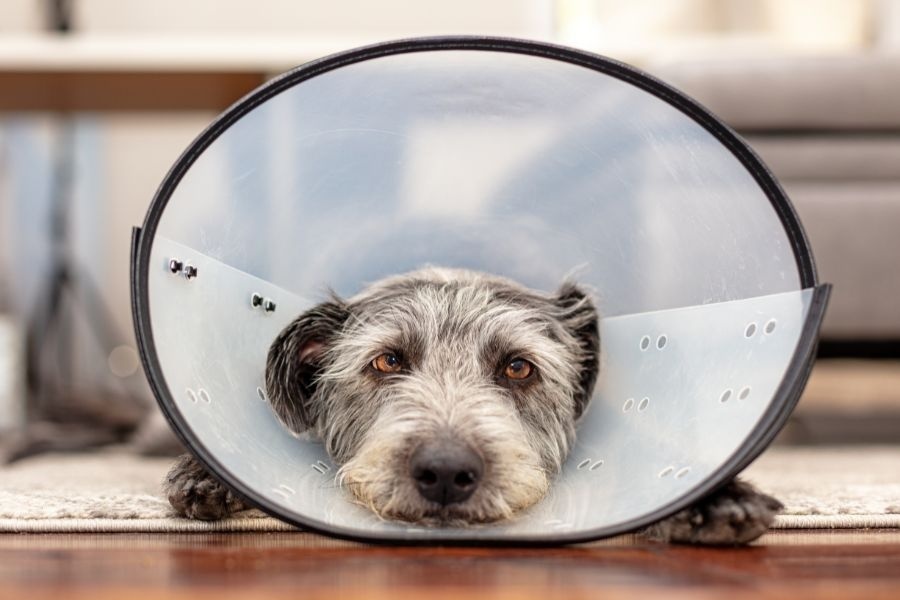
If your dog wears a surgical recovery collar or protective garment, make sure it fits correctly and does not interfere with resting, drinking, or moving around safely. Check the skin beneath clothing or protective equipment as directed by your veterinary team.
Managing Icy Sidewalks and Snowy Outdoor Surfaces
Outdoor surfaces are one of the biggest winter recovery concerns for dogs in Omaha. Snow and ice can make sidewalks, driveways, and backyard paths slippery. A dog recovering from surgery may have reduced mobility or discomfort, increasing the possibility of an accidental fall.
Before taking your dog outside, inspect the route from your door to the designated potty area. Clear away snow and ice where possible, and use pet-appropriate ice-melt products according to their instructions. Remember that even products marketed as pet-friendly should not be ingested.
A few additional precautions can make outdoor movement safer:
- Choose the shortest practical route for bathroom breaks.
- Use a leash to maintain control and prevent sudden running.
- Avoid steep slopes, uneven snowbanks, and frozen steps.
- Consider nonslip outdoor mats near frequently used entrances.
- Walk slowly and allow your dog time to find stable footing.
- Use a supportive harness if your veterinarian recommends one.
Do not allow your dog to run freely in the yard simply because it needs fresh air. Controlled movement is important until your veterinarian confirms that normal activity can gradually resume.
Keeping Potty Breaks Short and Comfortable
Dogs still need regular bathroom breaks during surgical recovery, even when temperatures are low. However, prolonged exposure to cold, snow, and wind can make these outings uncomfortable.
Take your dog outside only as often and for as long as necessary to follow its bathroom routine and veterinary instructions. Keep the leash short, avoid unnecessary walking, and return indoors once your dog has finished.
For dogs with limited mobility, a well-fitted harness may provide additional support. Ask your veterinarian how to assist your pet without placing pressure on the surgical area. Never lift your dog by its abdomen or near an incision unless you have been specifically instructed on a safe handling technique.
After each outing, gently clean your dog’s paws if they have come into contact with snow, dirt, or ice-melt products. Check between the toes for packed snow and inspect the paw pads for irritation. Dry the paws and lower legs before allowing your pet to settle back into its recovery area.
Protecting Your Dog From Cold Temperatures
Some dogs are more sensitive to cold than others. Small breeds, short-haired dogs, senior pets, and animals with limited body condition may lose body heat more quickly.
A properly fitted winter coat may help certain dogs stay comfortable during brief outdoor trips, provided it does not rub against the incision or interfere with a surgical garment. Ask your veterinarian whether clothing is appropriate for your dog’s specific procedure.
Watch for signs that your pet is uncomfortable in cold weather, including shivering, lifting its paws, reluctance to walk, or repeatedly trying to return indoors. If your dog seems unusually weak, confused, or unable to maintain normal body warmth, seek veterinary guidance promptly.
Avoid using electric heating pads or hot water bottles without veterinary approval. Pets recovering from surgery may not move away from excessive heat easily, especially when drowsy or experiencing discomfort. A warm room and suitable bedding are generally safer options.
Monitoring the Incision During Winter Recovery
Cold weather does not eliminate the need for regular incision checks. Snow, moisture, dirt, and outdoor debris can come into contact with the skin around the surgical area, so keeping the incision clean and dry is important.
Check the area as frequently as your veterinarian recommends. Look for increasing redness, swelling, discharge, bleeding, an unpleasant odor, or separation of the incision edges. Mild changes may occur during normal healing, but worsening symptoms should be reported.
Prevent licking, chewing, or scratching by using the recovery collar or other protective equipment recommended by your veterinary team. Do not apply ointments, powders, or household products to the incision unless specifically approved.
If the incision becomes wet or dirty, follow your veterinarian’s cleaning instructions rather than scrubbing the area. Contact the clinic if you notice unusual changes or are uncertain whether the incision is healing properly.
Supporting Recovery With Nutrition, Rest, and Patience
Proper nutrition and hydration support your dog’s recovery. Offer the food and water recommended by your veterinary team, and follow any feeding instructions related to the procedure or medication schedule. If your dog has a reduced appetite, repeated vomiting, or difficulty drinking, let your veterinarian know.
Mental stimulation can also help dogs remain comfortable when physical activity is restricted. Quiet interaction, gentle attention, and veterinarian-approved enrichment activities may prevent boredom without encouraging excessive movement.
Avoid rough play, jumping, running, and interaction with energetic pets until restrictions are lifted. Remember that recovery timelines vary. Some dogs regain their usual energy quickly, but that does not necessarily mean their tissues are fully healed.
Schedule a Pet Surgical Care Follow-Up at Rockbrook Animal Clinic
Helping your dog recover during an Omaha winter requires preparation, patience, and attention to changing weather conditions. From managing icy potty routes to maintaining a warm indoor resting space, small adjustments can help protect your companion while healing.
Rockbrook Animal Clinic in Omaha can provide guidance on pet surgical care, recovery instructions, and follow-up examinations. Schedule an appointment to discuss your dog’s recovery progress, incision concerns, or winter activity restrictions. Working closely with your veterinary team can help your pet return to a comfortable routine at an appropriate pace.
Frequently Asked Questions
Q1. Can my dog go outside in freezing weather after surgery?
Ans: Yes, if your veterinarian permits outdoor bathroom breaks. Keep outings brief, use a leash, choose a safe path, and return indoors once your dog has finished. Avoid unnecessary exposure to freezing temperatures.
Q2. Should I put a winter coat on my dog after surgery?
Ans: A winter coat may help some dogs stay warm, particularly small or short-haired breeds. However, it must not rub against the incision or interfere with protective garments. Ask your veterinarian before using one during recovery.
Q3. How can I prevent my dog from slipping on icy sidewalks?
Ans: Clear a short outdoor path, use nonslip mats, avoid steep or icy areas, and keep your dog on a short leash. Walk slowly and consider a supportive harness if recommended by your veterinarian.
Q4. How often should I check my dog’s surgical incision?
Ans: Follow your veterinarian’s recommended inspection schedule. Look for increasing redness, swelling, discharge, bleeding, unpleasant odor, or separation of the incision. Report concerning changes to the clinic.
Q5. Can my dog return to normal walks once it starts acting energetic?
Ans: Not necessarily. Your dog may feel energetic before the surgical tissues have fully healed. Continue following activity restrictions and wait for veterinary approval before increasing walking time, running, or play.