2814 S 107th Ave, Omaha, NE 68124

Persistent sneezing in dogs and cats is often attributed to seasonal allergies, dust, or minor respiratory irritation. However, when sneezing continues despite treatment or is accompanied by discharge from only one nostril, the underlying cause may be hiding inside your pet’s mouth. Advanced dental disease can sometimes affect the nasal passages, creating a painful connection between the oral and nasal cavities known as an oronasal fistula.
This condition is particularly concerning in older dogs and cats, especially small breeds such as Dachshunds and Poodles. Their upper teeth sit close to the nasal cavity, and severe periodontal disease can gradually damage the supporting bone between these structures. Understanding this connection helps pet owners recognize when persistent nasal symptoms may require a closer dental examination.
For families in Omaha, recognizing the relationship between oral health and respiratory symptoms is an important part of comprehensive pet dental care.
What Is an Oronasal Fistula in Dogs and Cats?
An oronasal fistula is an abnormal opening that connects the mouth to the nasal cavity. In a healthy pet, a thin layer of bone and soft tissue separates these two areas. This barrier prevents food, saliva, and oral bacteria from entering the nasal passages.
However, advanced periodontal disease can gradually destroy the tissues supporting the upper teeth. When infection and inflammation damage the thin bone separating a tooth root from the nasal cavity, an opening may develop. This creates a pathway through which food particles, saliva, and bacteria can move between the mouth and nose.
Oronasal fistulas commonly develop near the upper canine teeth, although upper premolars can also be involved. The condition is frequently associated with severe tooth disease, particularly in older pets and small-breed dogs that have experienced years of untreated periodontal problems.
An oronasal fistula does not usually close on its own. Without appropriate treatment, ongoing contamination can maintain inflammation and cause persistent nasal discomfort.
Why Upper Tooth Disease Can Affect Your Pet’s Sinuses
The roots of the upper teeth are positioned relatively close to the nasal cavity. In smaller dogs, the surrounding bone can be particularly thin, making the area more vulnerable when periodontal disease progresses.
Periodontal disease begins when plaque accumulates along the gumline. Bacteria within plaque contribute to gum inflammation, commonly called gingivitis. If the condition remains untreated, inflammation can progress deeper into the supporting tissues, leading to periodontal pockets, bone loss, and loosening of the teeth.
As the supporting structures deteriorate, infection around an upper tooth root may eventually compromise the bone separating the mouth from the nasal cavity. Once this barrier breaks down, an oronasal fistula can form.
This is one reason the importance of dental cleanings extends beyond fresh breath and attractive-looking teeth. Professional dental care helps identify and manage problems before they progress into deeper tissue damage. Regular examinations also allow veterinarians to evaluate areas that may not be visible during a routine look inside the mouth.
Warning Signs of an Oronasal Fistula
Persistent sneezing is one of the most noticeable signs of an oronasal fistula. However, the symptoms can vary depending on the size and location of the opening and how long the condition has been present.
Watch for the following changes:
- One-sided nasal discharge: Mucus or fluid may consistently drain from one nostril.
- Frequent sneezing: Repeated sneezing may continue even after treatment for suspected allergies.
- Nasal discomfort: Your pet may rub its nose or paw at its face.
- Food appearing near the nose: Particles or liquid may occasionally pass into the nasal passages while eating or drinking.
- Bad breath: Advanced periodontal disease often causes persistent unpleasant breath.
- Gum inflammation: Red, swollen, or bleeding gums may indicate significant dental disease.
- Difficulty chewing: Your pet may favor one side of the mouth, drop food, or avoid harder treats.
- Reduced appetite: Oral discomfort can make eating less enjoyable.
Not every pet with chronic sneezing has an oronasal fistula. Nasal infections, foreign material, dental root infections, and other conditions can produce similar symptoms. Persistent one-sided discharge deserves veterinary evaluation rather than repeated treatment based only on an assumption of allergies.
How Veterinarians Diagnose Hidden Dental Problems
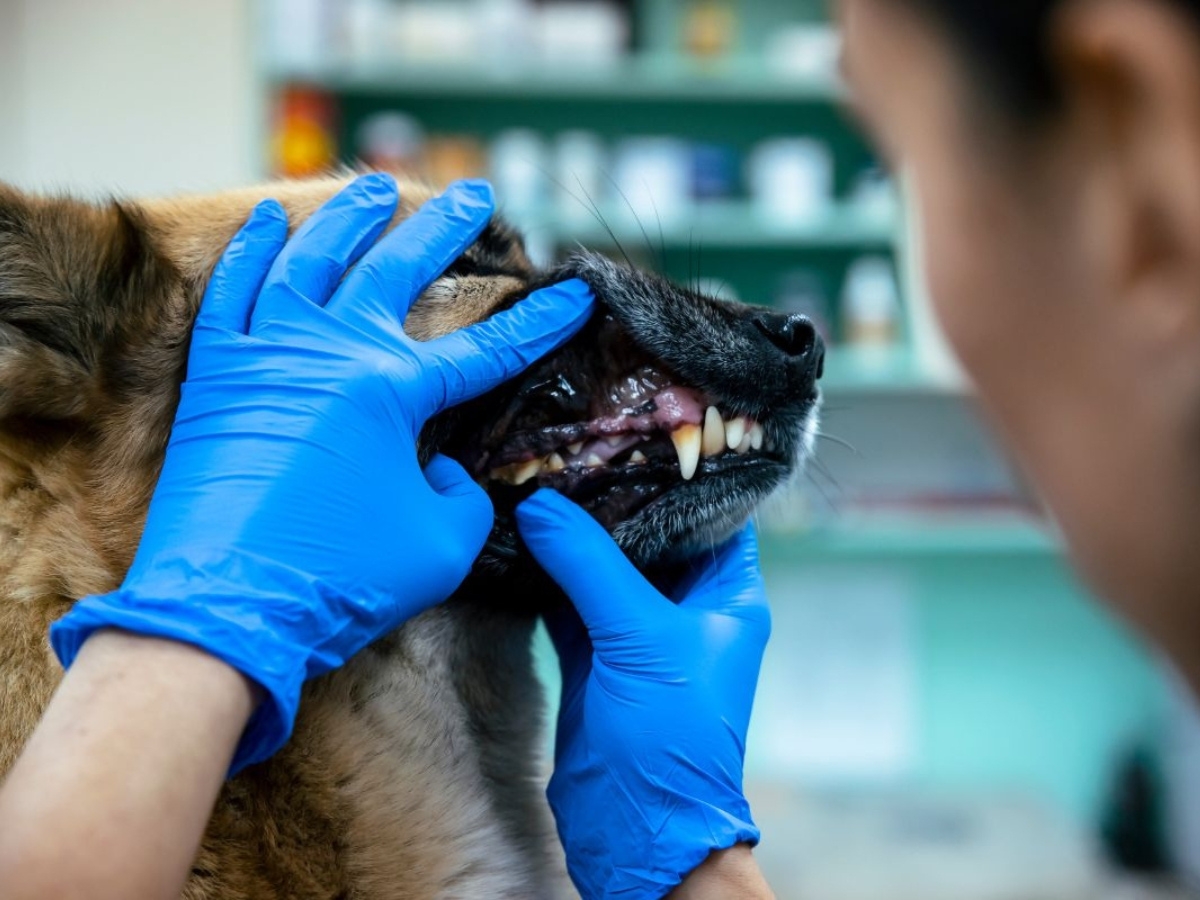
An oronasal fistula can be difficult to identify through an ordinary visual examination. The opening may be small, hidden beneath gum tissue, or located around a tooth root that cannot be properly assessed while your pet is awake.
Your veterinarian will begin by reviewing your pet’s medical history and examining the mouth, gums, teeth, and nasal area. Details such as the duration of sneezing, whether discharge affects one or both nostrils, and previous responses to medication can help guide the diagnostic process.
Dental radiographs are particularly valuable because they reveal structures beneath the gumline. These images allow the veterinary team to assess tooth roots, surrounding bone, periodontal damage, and possible areas of infection. They may also help identify bone loss or changes suggesting a connection between the oral and nasal cavities.
In some cases, additional imaging or nasal evaluation may be recommended if the symptoms suggest another underlying condition. Accurate diagnosis matters because treating nasal symptoms alone will not resolve an opening caused by advanced dental disease.
Treatment: Removing the Diseased Tooth and Closing the Opening
When an oronasal fistula develops because of advanced periodontal disease, treatment generally involves addressing the affected tooth and repairing the opening.
The veterinary team typically performs the procedure under general anesthesia. The affected tooth is carefully extracted, allowing the veterinarian to remove diseased tissue and thoroughly assess the surrounding area. Simply treating the visible gum inflammation is not enough if the damaged tooth root and communication with the nasal cavity remain.
After the diseased tooth is removed, the opening is surgically closed using healthy surrounding tissue. This is often performed with a carefully positioned gum tissue flap. The tissue must cover the opening without excessive tension so that it can heal properly and restore separation between the oral and nasal cavities.
The surgical approach depends on the size and location of the fistula, the condition of nearby tissues, and your pet’s overall health. In complicated cases, additional treatment or referral may be considered.
Successful treatment addresses the underlying source of contamination rather than simply suppressing sneezing. Once the opening heals, many pets experience substantial improvement in their nasal symptoms.
Recovery and Home Care After Fistula Repair
Recovery requires patience because the repaired tissue needs time to heal securely. Your veterinarian will provide instructions based on the procedure and your pet’s condition.
Common recovery recommendations may include:
- Feeding soft food for the period recommended by your veterinarian.
- Avoiding hard treats, bones, and chew toys during healing.
- Giving prescribed medications exactly as directed.
- Preventing excessive activity or rough play if advised.
- Monitoring the surgical area for swelling, bleeding, or unusual discharge.
- Attending scheduled follow-up examinations.
Contact your veterinarian if sneezing persists, nasal discharge returns, your pet struggles to eat, or the surgical area appears swollen or painful. These changes may require reassessment to check healing and rule out complications.
Do not assume that ongoing nasal symptoms are simply part of normal recovery. Prompt communication with the veterinary team helps ensure that concerns are addressed appropriately.
Preventing Advanced Dental Disease Through Routine Pet Dentistry
Although not every oronasal fistula can be prevented, consistent dental care can reduce the risk of advanced periodontal disease. This is especially important for older dogs and small breeds that may be more vulnerable to dental problems.
Regular pet dentistry appointments allow your veterinarian to evaluate gum health, identify loose teeth, and look for early signs of periodontal damage. Professional dental cleanings remove plaque and tartar from areas that ordinary brushing cannot adequately reach. Dental radiographs may also reveal hidden problems before they produce obvious symptoms.
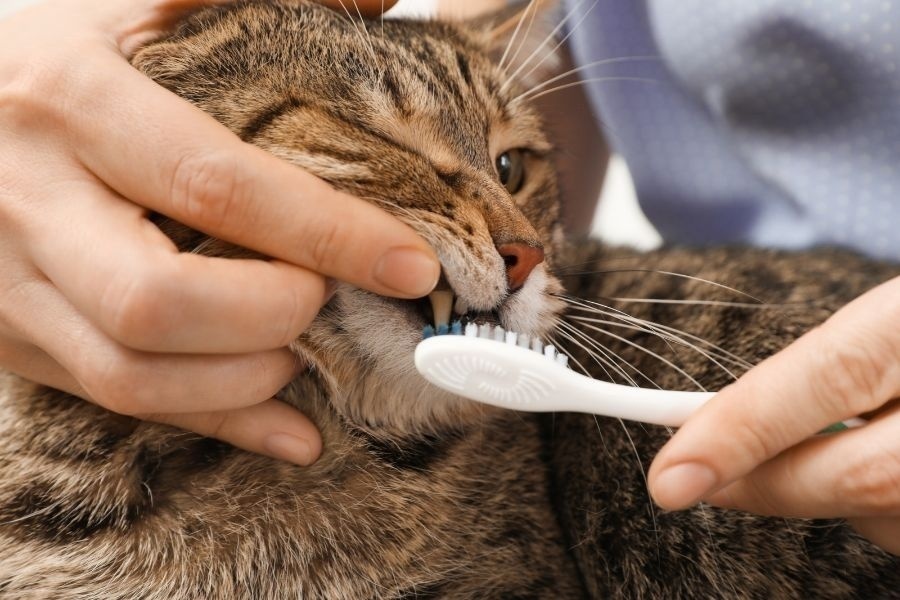
At home, brushing your pet’s teeth with an appropriate pet-safe toothpaste can help control plaque buildup. Introduce dental care gradually and ask your veterinarian which products are suitable for your companion. Never use human toothpaste, as some ingredients can be harmful to pets.
For senior pets, consistent oral examinations are particularly valuable. A pet that has lived with dental discomfort for years may continue eating despite significant disease, so a normal appetite does not necessarily mean the mouth is healthy.
Schedule a Dental Examination at Rockbrook Animal Clinic
Persistent sneezing, especially when accompanied by discharge from one nostril, should not always be treated as an allergy problem. Hidden periodontal disease and an oronasal fistula may be responsible for symptoms that never fully resolve with routine medication.
Rockbrook Animal Clinic in Omaha can help evaluate your pet’s oral health concerns and determine whether further dental assessment is needed. Schedule an appointment to discuss chronic sneezing, suspected tooth disease, or changes in your pet’s eating habits. A timely dental evaluation can help identify hidden problems and guide appropriate treatment for a healthier, more comfortable companion.
Frequently Asked Questions
Q1. Can bad teeth cause chronic sneezing in dogs?
Ans: Yes. Advanced periodontal disease affecting upper teeth can damage the bone separating the mouth from the nasal cavity. This may create an oronasal fistula, allowing oral bacteria and food particles to enter the nasal passages and trigger persistent sneezing.
Q2. Why does my dog have nasal discharge from only one nostril?
Ans: One-sided nasal discharge can have several causes, including an oronasal fistula, dental root infection, foreign material, or nasal disease. A veterinary examination and appropriate diagnostic testing can help identify the underlying problem.
Q3. Are small-breed dogs more likely to develop oronasal fistulas?
Ans: Small-breed dogs, including Dachshunds and Poodles, can be more vulnerable to advanced periodontal problems because of their small mouths and crowded teeth. When disease affects the upper tooth roots, the nearby nasal structures may also become involved.
Q4. Can an oronasal fistula heal without surgery?
Ans: An established oronasal fistula generally requires veterinary treatment, often involving extraction of the affected tooth and surgical closure of the opening. Medication alone usually cannot repair the damaged tissue connection.
Q5. How can regular pet dental care reduce the risk of an oronasal fistula?
Ans: Routine dental examinations and professional cleanings help identify and manage periodontal disease before it causes extensive damage. Home toothbrushing and follow-up care can also help reduce plaque buildup and support long-term oral health.