2814 S 107th Ave, Omaha, NE 68124


When a beloved dog or cat experiences a sudden physical injury, acute digestive flare-up, or unexplained lethargy, uncertainty can feel overwhelming. Walking into a clinic without a pre-scheduled visit naturally raises questions about how your companion will be evaluated and cared for. Knowing the clinical workflow ahead of time helps ease anxiety and prepares you to support your pet effectively. Seeking urgent pet care ensures that your companion receives rapid medical intake, a thorough physical assessment, and immediate therapeutic intervention tailored to their specific symptoms.
Phase 1: Clinical Triage and Immediate Intake
The moment you arrive at the clinic, the examination process begins. Unlike routine wellness checkups, unscheduled visits rely on a dynamic assessment system known as triage. This initial phase ensures that pets experiencing acute physical distress receive rapid priority care.
During intake, veterinary technicians quickly evaluate vital physiological indicators:
- Respiratory Assessment: Checking for shallow breath, labored chest movements, or open-mouth panting in cats to confirm proper oxygen levels.
- Circulatory Checks: Inspecting gum color and measuring capillary refill time to evaluate blood pressure and systemic blood flow.
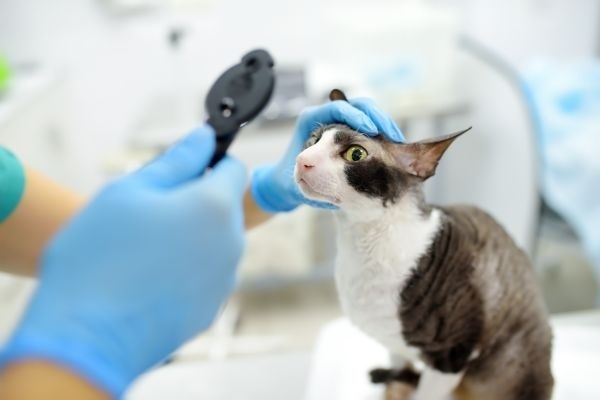
- Neurological Responsiveness: Observing pupil reactions, mental alertness, and motor coordination to rule out central nervous system distress.
- Temperature and Heart Rate: Recording baseline vital metrics to identify systemic fever, hypothermia, or abnormal cardiac rhythms.
If vital metrics remain stable, your pet proceeds to a dedicated exam room for a complete hands-on evaluation.
Phase 2: Nose-to-Tail Physical Examination
Once baseline vitals are recorded, the veterinarian conducts a systematic physical examination. This comprehensive assessment allows the clinician to feel for subtle structural changes, localized pain, or internal tension.
Abdominal and Soft Tissue Palpation
Gently pressing across the abdominal cavity helps the veterinarian detect organ enlargement, intestinal blockages, gas buildup, or localized pain. Pets experiencing stomach discomfort often tense their abdominal muscles in response to touch, providing immediate diagnostic feedback.
Musculoskeletal and Joint Mobility
The veterinarian carefully manipulates limbs and joints to evaluate range of motion. Checking flexibility in the knees, hips, shoulders, and spine pinpoints soft tissue strains, ligament tears, or hairline bone fractures.
Oral, Ocular, and Otic Checks
Inspecting the eyes, ears, and mouth reveals critical clinical data. Pale or sticky gums point to fluid loss or circulatory stress, while reactive pupils offer insights into neurological health.
Phase 3: In-House Diagnostics During Urgent Vet Care
While hands-on physical exams offer essential clues, visual and laboratory diagnostics confirm what is occurring beneath the surface. Modern urgent vet care facilities utilize on-site testing tools to gather rapid data without long waiting periods.
Key diagnostic tools include:
- In-House Blood Analysis: Complete blood counts and serum chemistry panels evaluate kidney values, liver function, electrolyte balances, and white blood cell levels within minutes.
- Digital Radiography (X-rays): High-resolution imaging provides detailed views of bones, joints, chest cavities, and dense internal foreign objects.
- Point-of-Care Ultrasound: Soft tissue scanning allows clinicians to detect fluid accumulation around organs and evaluate soft tissue structures in real time.
Families living in Omaha benefit significantly from this streamlined approach, as combining physical exams with rapid diagnostic testing removes guesswork and accelerates recovery.
Phase 4: Customized Treatment and Stabilization
With diagnostic results in hand, the veterinary team formulates a targeted therapeutic plan. Interventions are sequenced to maximize patient comfort and address the root cause of physical distress.
Depending on the diagnosis, treatments may include fast-acting pain relief, intravenous fluid administration to combat dehydration, gentle wound cleansing, or targeted anti-nausea medications.
Phase 5: At-Home Discharge and Follow-Up Planning
The final phase of the visit focuses on preparing you to manage your pet’s recovery at home. Before leaving the facility, the clinical team provides detailed discharge instructions covering prescribed medication schedules, dietary adjustments, and physical activity restrictions.
Understanding how to monitor your companion over the initial 24 to 48 hours post-visit ensures a smooth transition from clinic care to home healing.
Dedicated Support for Omaha Pets
If you are from Omaha and looking for urgent pet care, having a skilled, compassionate medical team ready to evaluate sudden health changes provides vital peace of mind. Thorough clinical examinations turn stressful health scares into clear, structured paths toward healing.
Schedule an Online Appointment
If your pet is showing signs of physical discomfort, sudden lethargy, or unexpected digestive changes, do not hesitate to seek professional evaluation.
Please schedule an appointment online to have your dog or cat thoroughly evaluated by our experienced team.
Contact Our Medical Team Directly
Prefer to speak with an experienced clinical staff member about the symptoms you are noticing at home before traveling to the clinic? We are available to answer your questions and guide your next steps.
Please call our team at 402-397-2424 to discuss your companion’s needs with Rockbrook Animal Clinic.
Frequently Asked Questions
Q1. How long does a typical unscheduled veterinary examination take?
Ans: Visit duration depends on case complexity and diagnostic requirements. A routine physical exam with medication administration may take about an hour, while comprehensive bloodwork or digital imaging assessments can take several hours to complete safely.
Q2. Can I stay with my dog or cat during diagnostic testing like X-rays?
Ans: For safety and radiation regulation standards, pet owners remain in the exam room or waiting area while trained staff perform X-rays, blood collection, or specialized therapies in dedicated treatment spaces.
Q3. What should I bring with me to an unscheduled visit?
Ans: Bring your pet’s current medication bottles, past medical records if available, and specific details regarding when symptoms started, including any potential access to toxic substances or foreign objects.
Q4. How do clinicians keep nervous pets calm during an examination?
Ans: Veterinary teams utilize low-stress handling techniques, gentle restraint, non-slip surfaces, and calm exam environments. If a pet experiences high anxiety, mild sedative medications may be used to perform diagnostic checks safely.
Q5. What signs indicate that my pet needs immediate re-evaluation post-discharge?
Ans: Persistent vomiting, refusal to drink water, extreme lethargy, pale gums, heavy panting, or unresponsiveness post-visit signal that your pet requires immediate follow-up assessment by a veterinary professional.