2814 S 107th Ave, Omaha, NE 68124

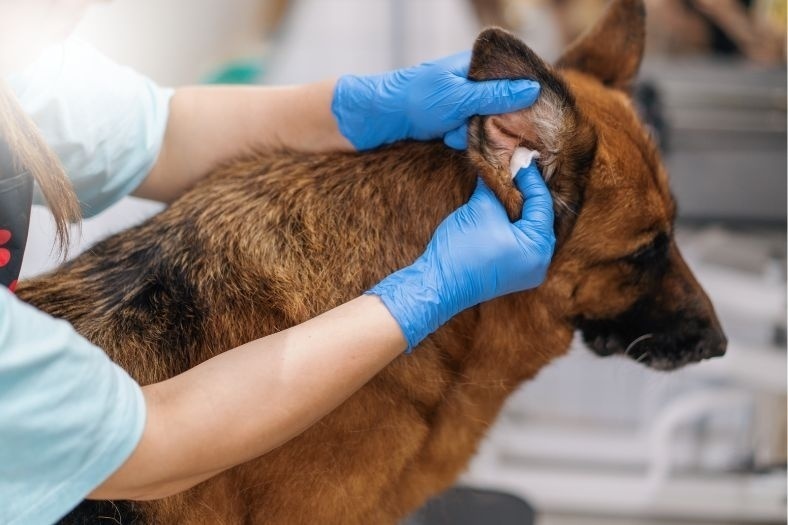
A dog that suddenly starts shaking its head, scratching around the ears, or avoiding head contact may be experiencing more than temporary irritation. Ear problems can develop from trapped moisture, allergies, foreign material, or microbial infections. Recognizing when these symptoms require urgent vet care helps owners respond before discomfort develops into a more complicated condition.
Some ear issues begin with subtle changes, such as a mild odor or occasional scratching. Others progress quickly and cause significant pain. Understanding the difference can help you decide when your dog needs veterinary attention.
Small Ear Changes That Should Not Be Ignored
Dogs often show early signs of ear trouble through their daily behavior. A pet that repeatedly rubs one side of its face against furniture or shakes its head after resting may be trying to relieve irritation.
Pay attention to these changes:
- Scratching one or both ears more frequently than usual
- Redness along the inner ear flap
- A noticeable odor coming from the ear
- Brown, yellow, or dark discharge
- Sensitivity when you touch the head or ears
- Repeated head shaking or holding the head at an unusual angle
- Crusting around the ear opening
These signs do not always confirm an infection. Ear mites, allergies, foreign objects, and other skin conditions can produce similar symptoms. A veterinary examination helps identify the actual cause instead of relying on appearance alone.
When Dog Ear Problems Require Urgent Pet Care
The severity of the symptoms matters more than how long your dog has been scratching. Mild irritation may allow time to arrange a regular appointment, but sudden or severe changes should be assessed promptly.
Severe Pain or Sudden Swelling
A dog that cries, growls, or pulls away when its ear is approached may be experiencing considerable pain. Swelling around the ear canal can also make the opening narrow and uncomfortable.
Do not force the ear open or attempt to clean a painful area. Handling an inflamed ear can cause additional discomfort.
Blood or Unusual Discharge
Blood, thick discharge, or a sudden increase in fluid may indicate trauma, significant inflammation, or infection. A strong odor combined with discharge is another reason to arrange prompt assessment.
Head Tilt and Balance Difficulties
A persistent head tilt, stumbling, circling, or unusual eye movements may suggest that the problem extends beyond the outer ear. Middle or inner ear involvement can affect balance and coordination.
These symptoms warrant immediate veterinary attention, especially if your dog struggles to stand or walk normally.
Changes in Eating and Behavior
Ear pain can affect more than your dog’s comfort. Some pets become withdrawn, restless, irritable, or reluctant to eat. If these changes appear alongside ear symptoms, urgent pet care may be appropriate.
What Makes Some Ear Infections Difficult to Resolve?
An infection may seem to improve after treatment and then return weeks or months later. This can happen when the original cause remains active.
Several factors may contribute to recurring ear problems:
Allergic skin disease: Environmental or food-related allergies can cause inflammation in the ear canal. Unless the underlying allergy is managed, irritation may continue.
Moisture retention: Water left inside the ear after swimming or bathing can encourage yeast and bacterial growth.
Ear shape and anatomy: Dogs with floppy ears, narrow canals, or heavy hair around the ear opening may be more prone to moisture and debris buildup.
Foreign material: Grass seeds, dirt, or small plant fragments can become trapped and cause localized inflammation.
Excessive wax production: Some dogs naturally produce more earwax, which may contribute to buildup and irritation.
A veterinarian may need to investigate these factors when infections repeatedly return. Simply using another course of medication without understanding the cause may not provide lasting relief.
How an Ear Problem Can Affect Your Dog Beyond the Ear Canal
The ear is a complex structure responsible for both hearing and balance. Problems that begin in the outer ear can sometimes involve deeper areas if inflammation or infection progresses.
Possible complications include:
- Chronic canal changes: Repeated inflammation may cause the ear canal to thicken or narrow.
- Ear hematoma: Frequent scratching and head shaking can damage blood vessels in the ear flap, allowing blood to collect beneath the skin.
- Middle or inner ear disease: Deeper involvement may lead to head tilting, balance difficulties, and changes in hearing.
- Ongoing discomfort: Persistent inflammation can make routine activities, grooming, and handling unpleasant.
This is why urgent vet care is important when symptoms are severe, worsening, or accompanied by neurological changes. Early evaluation can help identify complications and guide appropriate treatment.
How Veterinarians Investigate Persistent Ear Symptoms
An accurate diagnosis is essential because different ear conditions can look similar. Treatment that works for one cause may be ineffective or unsuitable for another.
Visual Examination
The veterinarian will inspect the outer ear and canal for redness, swelling, discharge, wax, and foreign material. An otoscope may be used to examine deeper structures and assess the eardrum when it can be seen safely.
Microscopic Ear Testing
A small sample of discharge may be collected and examined under a microscope. This helps identify yeast, bacteria, and inflammatory cells. In some recurring cases, additional laboratory testing may be recommended.
Reviewing Your Dog’s Health History
The veterinarian may ask about previous infections, medications, swimming habits, grooming products, and possible allergy symptoms. This information can help reveal patterns that contribute to repeated ear problems.
Treatment may involve prescribed ear medication, appropriate cleaning instructions, or management of an underlying skin condition. Follow the full treatment plan even if your dog appears more comfortable before the medication is finished.
Everyday Habits That Support Better Ear Health
Preventive care is not about cleaning a dog’s ears as frequently as possible. Excessive cleaning or using unsuitable products can irritate the ear canal and make problems worse.
Instead, build a simple routine:
- Check your dog’s ears during regular grooming.
- Notice changes in odor, color, or discharge.
- Dry the outer ears gently after swimming or bathing.
- Use only veterinarian-approved cleaning products.
- Avoid inserting cotton swabs or objects deep into the canal.
- Keep a record of recurring symptoms and previous treatments.
A routine pet wellness exam also gives the veterinary team an opportunity to assess your dog’s ears, skin, and overall health. Regular examinations may help identify early changes before they become more uncomfortable.
Getting Veterinary Support in Omaha
If your dog has recurring ear irritation, unusual discharge, or a persistent odor, timely assessment can help identify the cause and determine the right treatment. Owners searching for veterinary support in Omaha should look for a clinic that can examine the ear canal, perform diagnostic testing when needed, and investigate recurring conditions.
Keep track of when symptoms began and whether they have changed over time. Sharing details about previous treatments, swimming, grooming, and possible allergies can help the veterinarian develop a more informed care plan.
Schedule a Veterinary Appointment
If your dog is repeatedly scratching its ears, shaking its head, or showing signs of discomfort, arrange an examination to determine what is causing the problem. Rockbrook Animal Clinic can help evaluate your dog’s symptoms and discuss appropriate treatment. Use the clinic’s online booking option, if available, to request an appointment. If your dog has severe pain, sudden balance problems, or rapidly worsening symptoms, seek immediate veterinary attention rather than waiting for a routine visit.
Call Our Veterinary Team
Need help deciding what to do about your dog’s ear symptoms? Call 402-397-2424 to discuss the changes you have noticed and ask about arranging an evaluation. Be ready to describe any discharge, odor, head shaking, or previous treatment. If your dog is unable to walk normally or appears severely distressed, seek prompt veterinary assessment.
Frequently Asked Questions
Q1. Can a dog’s ear infection spread from one ear to the other?
An infection does not necessarily spread directly from one ear to the other. However, conditions such as allergies or skin inflammation can affect both ears, sometimes at different times. If one ear is infected, the veterinarian may examine the other as well to check for early signs of irritation.
Q2. Why does my dog scratch its ears more at night?
Some dogs may scratch more at night because there are fewer daytime distractions, making discomfort more noticeable. Allergies, inflammation, parasites, and infections can all contribute to itching. If nighttime scratching repeatedly interrupts sleep or causes skin damage, arrange a veterinary assessment to identify the source.
Q3. Can grooming products irritate a dog’s ears?
Yes. Shampoo, fragrances, cleaning solutions, and other grooming products may irritate sensitive skin, particularly if they enter the ear canal. If symptoms begin after grooming, mention the products used during the veterinary visit. Avoid applying additional products until you receive guidance.
Q4. Is it normal for dogs to have some earwax?
A small amount of earwax is normal and helps protect the ear canal. The concern is a sudden increase, unusual color, strong odor, or discharge accompanied by redness or discomfort. Changes in the amount or appearance of wax are worth discussing with your veterinarian, especially if they keep returning.
Q5. Should I clean my dog’s ears before a veterinary appointment?
Unless your veterinarian advises otherwise, avoid cleaning an ear that is painful, swollen, bleeding, or producing unusual discharge before the examination. Cleaning may cause additional irritation or remove material that could help with diagnosis. Ask the clinic whether any preparation is needed before bringing your dog in.