2814 S 107th Ave, Omaha, NE 68124

402-397-2424
Book Online
Rockbrook Animal Clinic Logo
  • About
    • Meet Our Doctors
      • Dr. Martin Ramm
      • Dr. Matt Vipond
      • Dr. Amanda Valadez
      • Dr. Jessica Ramm
      • Dr. Natalie Allen
    • Meet Our Team
    • What to Expect
    • Reviews
    • Blog
  • Services
    • Wellness Care
    • Vaccinations
    • Puppy & Kitten Care
    • Diagnostic Care
    • Dental Care
    • Spay & Neuter
    • Pet Surgery
    • Pain Management
    • Laser Therapy
    • Senior Pet Care
    • Stem Cell Therapy
    • Urgent Care
  • Resources
    • New Client Info
      • New Client Form
    • Payment Options
    • Online Pet Pharmacy
    • FAQs
  • Contact
402-397-2424
Book Online

July Newsletter: Signs of Heatstroke in Pets

Back
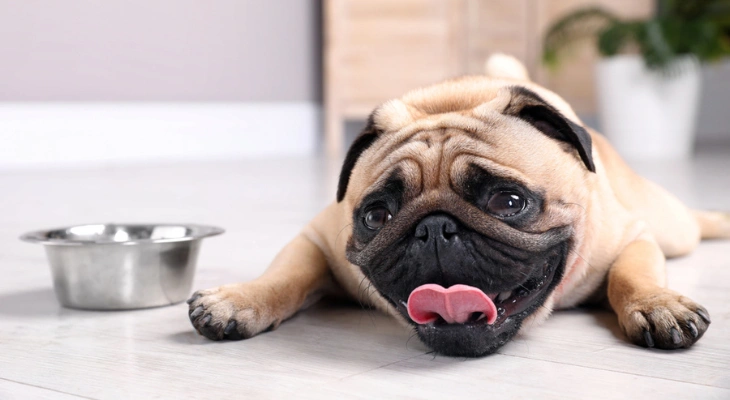
Image
Created in Newsletter Library

Signs of Heatstroke in Pets

Summer heatwaves are just as uncomfortable for your pets as they are for you. In fact, pets can develop heatstroke just like people. Recognizing the signs of this potentially deadly condition will help you protect the health of your furry friends.

How to Tell If Your Pets Are Suffering from Heatstroke

Any pet, including dogs, cats, and small animals, can suffer heatstroke on hot or humid days. The condition occurs when your pet’s body temperature becomes dangerously high. Young, old, obese, or sick animals may feel the effects of the heat more acutely, as can boxers, pugs, bulldogs, and other dogs with short noses.

You may see these signs if your pet is experiencing heatstroke:

  • Panting. Pets cool down by panting. Wheezing or panting heavily is a common sign of distress.
  • Diarrhea and Vomiting. Pets may vomit or have diarrhea as their body temperatures rise suddenly.
  • Drooling. As heatstroke worsens, your pet may also drool more than usual, and you may notice that its tongue or gums are red.
  • Weakness and Confusion. Weakness, confusion, lethargy, and coordination problems can accompany heatstroke.
  • Seizures or Collapse. If your pet doesn’t receive emergency medical care, it may develop seizures, collapse, or even die.

What to Do If Your Pet Shows Signs of Heatstroke

If you think your pet is affected by heatstroke, take the following steps:

  • Bring Your Pet Indoors. Don’t wait for symptoms to worsen. Bring your pet indoors at the first sign of heatstroke. An air-conditioned space is best. If your home isn’t air-conditioned, use fans to circulate air.
  • Provide Cool Water. Give your pet cool water to drink. Make sure the water is cool, not cold.
  • Cool Off Your Pet. Soak a towel in lukewarm water, wring out the towel, and place it over your pet. Put another towel under your pet. Wet a washcloth with lukewarm water and gently rub your pet’s paws and ears. Although it might seem like a good idea to use the coldest water possible, doing so could cause a dangerous change in blood pressure, according to the American Animal Hospital Association.
  • Take Your Pet’s Temperature. Dogs and cats suffer heatstroke when their temperatures rise above 104F. Check your pet’s temperature every 60 seconds to determine if your cooling efforts are dropping your pet’s temperature.
  • Take Your Pet to the Veterinarian. Your pet’s veterinarian can provide emergency care if your pet’s temperature doesn’t drop or its condition doesn’t improve in 10 – 15 minutes. Once at the veterinary office or hospital, your pet will receive intravenous fluids and other treatments, such as oxygen or medications to stabilize blood pressure. Your veterinarian may also draw blood, which will be used to determine if the liver or kidney damage occurred as a result of the heatstroke.

How to Prevent Heatstroke

You can reduce your pet’s risk for heatstroke by:

  • Limiting Outdoor Time on Hot Days. According to research from Nottingham Trent University, 75% of heatstroke cases in dogs occurred while exercising outdoors. University researchers also noted that cats were more likely to develop heatstroke after being trapped in sheds, greenhouses, or other enclosures. The less time your pet spends outdoors when the mercury soars, the better. Pay attention to humidity, too. High humidity coupled with average or high summer temperatures, can increase your pet’s chances for developing heatstroke. Limit outdoor playtime to brief periods in the morning and evening when it’s cooler. Postpone long walks or runs for another day.
  • Providing Shade. Make sure your pet has access to a shady spot during the brief periods it spends outdoors on hot, humid days. A dog house isn’t a good solution, as the temperature inside dog houses can become dangerously hot during the summer. Keep cages for guinea pigs, hamsters, and gerbils out of direct sunlight.
  • Making Cool Water a Priority. Offer a constant supply of clean, cool water. Check the water throughout the day, replacing it as needed.
  • Don’t Leave Your Pet in the Car. The temperature inside a car can become dangerously hot in minutes, even if you crack the window. Leave your pets at home, or take them with you on your errands.

Worried about your pet? Contact our office to schedule an emergency appointment or discuss your concerns.

Sources:

Nottingham Trent University: Small Pets at Risk of Heatstroke, Researchers Warn – and Cases Expected to Rise Alongside Global Temperatures, 2/14/2022

https://www.ntu.ac.uk/about-us/news/news-articles/2022/02/all-small-pets-at-risk-of-heatstroke,-researchers-warn-and-cases-expected-to-rise-alongside-global-temperatures

Cornell Richard P. Riney Canine Health Center: Heatstroke: A medical emergency

https://www.vet.cornell.edu/departments-centers-and-institutes/riney-canine-health-center/canine-health-information/heatstroke-medical-emergency#

American Animal Hospital Association: How Can I Prevent Heatstroke In My Pet?, 4/1/2020

https://www.aaha.org/resources/how-can-i-prevent-heatstroke-in-my-pet/

PetMD: Heatstroke in Cats, 11/28/2023

https://www.petmd.com/cat/conditions/systemic/heatstroke-cats

Categories

Choosing Your Pet
  • Cats
  • Dogs
  • Exotics
  • Finding Your Pet
  • Livestock
  • Small Mammals
Client Survey
Living With Your Pet
  • Bringing Your Pet Home
  • Children and Pets
  • Providing Care
  • Saying Goodbye
  • Travel
Newsletter Library
  • Behavior & Training
  • Cats
  • Equine
  • Fleas & Parasites
  • Keeping Pets Healthy
  • Newsletter Archive
  • Nutrition & Food
  • Pet Dangers
  • Recognizing Illness
  • Seasonal Topics
  • Tips for Pet Owners
  • Visiting the Vet
Pet Health
  • Chronic Conditions
  • Digestive and Oral Health
  • Diseases and Viruses
  • Orthopedics
  • Pests and Parasites
Pets4Kids
Today's Veterinarian
Video Newsroom
  • Health Topics
  • Other Interests
  • Technology and Science

Where Every Pet Is Welcomed and Cared for like Family

402-397-2424
Book Online

Reviews


Trusted by Pet Parents Like You

Quote Icon
I came here after having a not so great experience at my cat’s previous vet and was amazed by how nice and caring Dr. Natalie is. I love that she sat on the floor when she was in the room with us because it definitely makes things feel less intimidating. I felt comfortable having her see my cat and knew that she would take good care of him. I love her personality and all the suggestions she gave me to my questions and concerns. The pricing here is also very reasonable. Overall, would recommend to a friend!

Jennifer D.

Quote Icon
They are always so compassionate and clearly care about my animals but they are also understanding of financial constraints. They don't offer payment plans or anything but they do their best not to go crazy with stuff without discussing the cost which I really appreciate. Every doctor and tech is so kind and makes me feel like they are doing all they can to help my pets live full and happy lives.

Leslie S.

Quote Icon
We have a new rescue (first appointment) that is very scared of new people based on her history before being rescued. They made it the top priority to make her feel welcome and comfortable before ever checking her out. They sat on the floor with her and gave her pets and treats first. It made the appointment very easy for her and I.

Adam R.

Quote Icon
My blue heeler needed staples due to altercation with my other dog. Nurse was super friendly with our pet and us. Doctor was good and care was fast. Buisness was clean and inviting. Follow up phone calls were same day regarding pill questions. Great experience. Charge was very affordable. Going back in a week for staple removal.

Mama T.

Quote Icon
We saw Dr Ramm for many years and he was hands down the best Vet I have ever had. House visits for established patients, always available for questions. Very knowledgeable and kind towards our animals and us. If we could have taken him to Florida with when we moved, Florida would be a better place. We miss having him as our vet so much.

Davin C.

Read More Reviews

Testimonials

Office Front Gate

Contact Info

2814 S 107th Ave, Omaha, NE 68124

402-397-2424

Rockbrook Animal Clinic Logo

Office Hours

Mon–Thu: 8:00 AM – 6:00 PM
Fri: 8:00 AM – 5:00 PM
Sat: 8:00 AM – 1:00 PM
Sun: Closed
© 2026 Rockbrook Animal Clinic. All Rights Reserved. | Privacy Policy | Terms of Use | Accessibility | Sitemap
Rockbrook Animal Clinic Logo
  • About
    • ← Back
    • Meet Our Doctors
      • ← Back
      • Dr. Martin Ramm
      • Dr. Matt Vipond
      • Dr. Amanda Valadez
      • Dr. Jessica Ramm
      • Dr. Natalie Allen
    • Meet Our Team
    • What to Expect
    • Reviews
    • Blog
  • Services
    • ← Back
    • Wellness Care
    • Vaccinations
    • Puppy & Kitten Care
    • Diagnostic Care
    • Dental Care
    • Spay & Neuter
    • Pet Surgery
    • Pain Management
    • Laser Therapy
    • Senior Pet Care
    • Stem Cell Therapy
    • Urgent Care
  • Resources
    • ← Back
    • New Client Info
      • ← Back
      • New Client Form
    • Payment Options
    • Online Pet Pharmacy
    • FAQs
  • Contact

402-397-2424

2814 S 107th Ave, Omaha, NE 68124

Book Online
Pet Portal