2814 S 107th Ave, Omaha, NE 68124


Zoonosis
Created in Pet Health, Diseases and Viruses
Zoonosis refers to diseases that can be transmitted to humans from animals. In particular, they occur when an infected animal passes on bacteria, parasites, fungi or viruses to humans through scratches, saliva, feces and urine. Vectors (e.g., organisms like fleas and ticks) can also carry zoonotic diseases from the host to those they come into contact with. Common Zoonotic Diseases
Learn More

Vertigo or Old Dog Vestibular Syndrome
Created in Pet Health, Chronic Conditions
Vertigo is a syndrome in the elderly dog, which can be very frightening to the owners. The dog is suddenly afflicted with a balance problem, usually staggering, but occasionally unable to stand, and more rarely actually rolling over and over. There is a tilting of the head to one side and nystagmus, a rhythmic flicking movement of the eyes. Nausea
Learn More
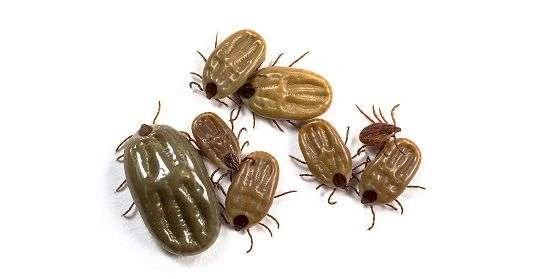
Ticks
Created in Pet Health, Pests and Parasites
Ticks are the small wingless external parasites, living by hematophagy on the blood of mammals, birds, and occasionally reptiles and amphibians. Ticks are blood-sucking parasites that are often found in freshly mown grass, where they will rest themselves at the tip of a blade so as to attach themselves to a passing animal. It is a common misconception that the
Learn More

Salmonella
Created in Pet Health, Diseases and Viruses
Salmonella is a bacterium that can cause disease in humans, dogs, cats, and other animals. It can cause a variety of symptoms, commonly vomiting and/or diarrhea, but also severe infections and septicemia. It can also cause abscesses, meningitis, bone infections, and abortion. Salmonella is found worldwide and is commonly associated with contaminated food, reptiles, and birds. Epidemics of salmonellosis in
Learn More

Seizures
Created in Pet Health, Chronic Conditions
Seizures are common in dogs, but more unusual in cats. Seizures are just symptoms which can occur with many kinds of diseases. They can happen because of diseases outside the brain or inside the brain. Low blood sugar that can happen with an overdose of insulin or with a tumor of the pancreas can cause seizures. They can happen with
Learn More
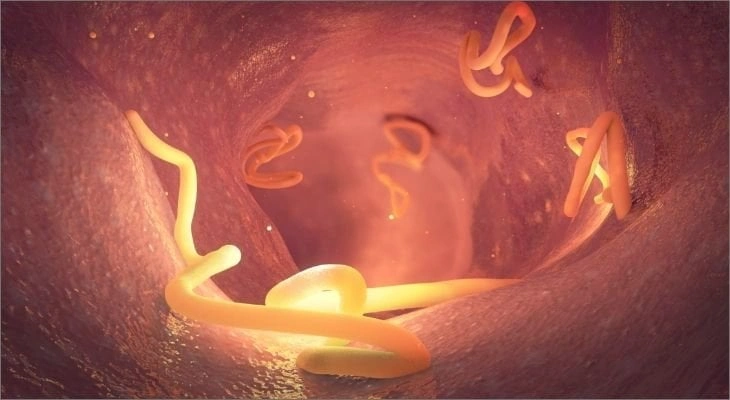
Tapeworms
Created in Pet Health, Pests and Parasites
Tapeworms live in the digestive tracts of vertebrates as adults and often in the bodies of various animals as juveniles. In a tapeworm infection, adults absorb food predigested by the host, so the worms have no need for a digestive tract or a mouth. Large tapeworms are made almost entirely of reproductive structures with a small “head” for attachment. Symptoms
Learn More

Ruptured Anterior Cruciate Ligament (ACL)
Created in Pet Health, Orthopedics
The rupture of the cruciate ligament is the most common knee injury in the dog. This injury has two common presentations. One is the young athletic dog playing roughly who acutely ruptures the ligament and is non-weight bearing on the affected hind leg. The second presentation is the older, overweight dog with weakened or partially torn ligaments that rupture with a slight
Learn More

Rabies
Created in Pet Health, Diseases and Viruses
Rabies is a fatal viral infection that is transmitted primarily through bite wounds. Skunks, bats, raccoons, and foxes are the primary carriers. Rabies is also fatal to humans, there has been only one case of a person surviving rabies when treatment was started after clinical signs were present. Puppies are vaccinated when three to four months of age and then
Learn More

Roundworms
Created in Pet Health, Pests and Parasites
There are many types of roundworms, but some of the most common are intestinal parasites of dogs, cats, and raccoons. Puppies are frequently born with roundworms, and kittens can be infected via the mother’s milk or feces. Adult roundworms are ivory colored, four to six inches long, and round (not flat ) in shape. These parasites can cause diarrhea, vomiting,
Learn More

Obesity
Created in Pet Health, Chronic Conditions
Excess weight is a serious health problem for dogs and cats and is common in many countries. The two main causes of obesity are too much food and too little exercise. Other contributing factors can be due to hormonal influences, certain genetic factors, and other disease processes. If you pet is carrying extra weight, it can: All of these problems
Learn More