2814 S 107th Ave, Omaha, NE 68124


Travel by Car
Created in Living With Your Pet, Travel
Pets should not be allowed to ride with their heads outside car windows. Particles of dirt can enter the eyes, ears, and nose, causing injury or infection. If your pet is not accustomed to car travel, take it for a few short rides before your trip. Cats should be confined to a cage or crate to allow them to feel
Learn More

Travel by Airplane
Created in Living With Your Pet, Travel
Air travel is of most concern to pet owners. You can minimize the chances of an unpleasant experience by following a few guidelines. Federal regulations require that pets be at least 8 weeks old and weaned at least 5 days before flying. Generally, a health certificate (which is not more than 10 days old) must be available before pets will
Learn More

Travel by Bus or Train
Created in Living With Your Pet, Travel
Most states prohibit animals from riding on buses and similar regulations restrict travel on trains. Exceptions are made for guide and service dogs accompanying blind and disabled persons. Consult your local carriers in advance for information.
Learn More
The Next Step
Created in Living With Your Pet, Saying Goodbye
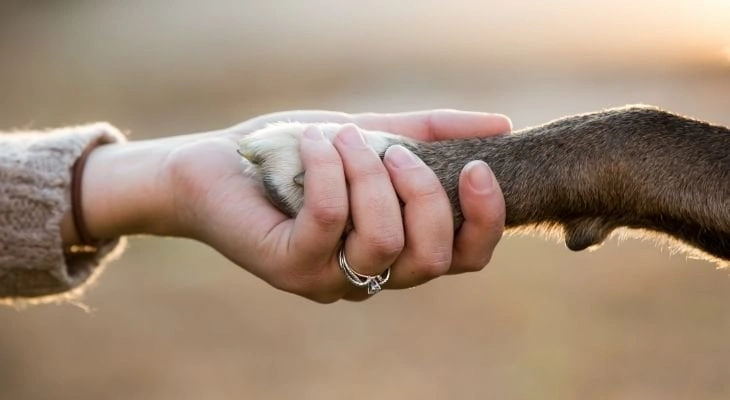
The grieving process includes accepting the reality of your loss, accepting that the loss and accompanying feelings are painful, and adjusting to your new life that no longer includes your pet. How do I tell my family? Family members usually are already aware of a pet’s problems. However, you should review with them the information you have received from your
Learn More

Seasonal Care
Created in Living With Your Pet, Providing Care
Heat Stroke Heatstroke may kill or seriously injure your pet—but it can easily be avoided by adhering to the following tips. Never leave pets in cars on warm days. Exercise your pet during the cool part of the day. Look out for rapid breathing, loud panting or staggering; these can be signs of dehydration, heat stroke or other problems in
Learn More

The Decision
Created in Living With Your Pet, Saying Goodbye
Your decision is a personal one, but it need not be a solitary one. Your veterinarian and your family and friends can assist and support you. How Do I Make The Decision? Your relationship with your pet is special, and you are responsible for its care and welfare. Eventually, many owners are faced with making life or death decisions for
Learn More

Recognizing Illnesses
Created in Living With Your Pet, Providing Care
Only a healthy pet is a happy companion. Assuring your pet’s daily well-being requires regular care and close attention to any hint of ill health. The American Veterinary Medical Association therefore suggests that you consult your veterinarian if your pet shows any of the following signs: * Abnormal discharges from the nose, eyes, or other body openings.* Abnormal behavior, sudden
Learn More

Planning and Preparation
Created in Living With Your Pet, Travel
Planning and preparation are necessary when traveling with family pets. Consider whether your pet is comfortable when traveling. Some animals, like some people, function better in familiar surroundings. A car-sick animal can make a trip miserable for everyone. Some ill or physically impaired dogs and cats cannot withstand the rigors of travel. If this is the case, discuss options such
Learn More
Rainbow Bridge
Created in Living With Your Pet, Saying Goodbye
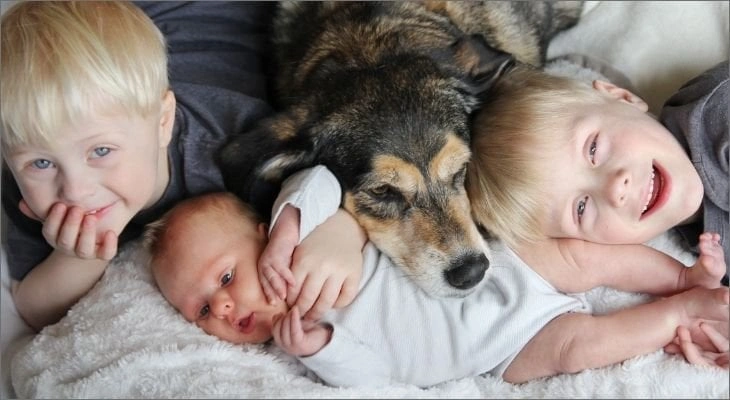
You understand that pets get older, they suffer from health problems, and several other issues can affect their lifespans. Children don’t quite understand that pets reach the end of their lives. Your child may have a great deal of emotion when a pet passes or is going to be euthanized. They might also have questions as to where your pet
Learn More

Obedience and Training
Created in Living With Your Pet, Bringing Your Pet Home
Obedience training helps prevent negative encounters between family members and the dog. It reinforces the bond between the handler(s) and pet. Obedience Training A MUST for every good family dog, regardless of size or breed! Puppies may start classes when they are as young as 8 weeks old. Obedience training is fun. It helps prevent negative encounters between family members
Learn More