2814 S 107th Ave, Omaha, NE 68124


Your Big Dog May Be More Likely to Develop These Health Problems
Created in Newsletter Library, Keeping Pets Healthy
Your Big Dog May Be More Likely to Develop These Health Problems Are you familiar with the health conditions common in big dogs? Your large breed dog may be at increased risk of developing one or more of these conditions. Hip and Elbow Dysplasia Hip and elbow dysplasia occur due to malformations in the hip or elbow joints. As a
Learn More

Who’s Healthier: Purebreds or Mixed Breeds?
Created in Newsletter Library, Keeping Pets Healthy
For years, pet owners have disagreed about whether purebred or mixed breed dogs are healthier. Until recently, there was no scientific data to back up their opinions, but UC Davis researchers recently helped answer the question with a landmark health study. The Arguments Pet owners who thought that mixed breed dogs were healthier argued that inbreeding in purebred dogs increased
Learn More

What Your Pet’s Stools Say About Their Health
Created in Newsletter Library, Keeping Pets Healthy
Do you favor the rapid swoop-and-bag approach to picking up your dog’s stools or scooping cat litter? Although most pet owners would rather not prolong contact with their pet’s feces, sneaking an occasional peak can provide valuable clues about your furry friend’s health and habits. Brown, Green or Yellow: What Stool Colors Mean Normal stools are brown, although stool color
Learn More
What You Need to Know About Antibiotics
Created in Newsletter Library, Keeping Pets Healthy
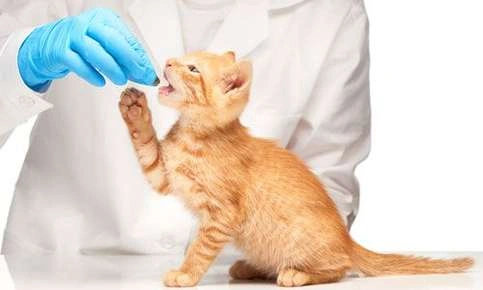
People and pets routinely died from infections before penicillin, the first antibiotic, was introduced in the first half of the 20th century. Today, veterinarians use antibiotics to treat many types of bacterial infections, including skin, respiratory and gastrointestinal infections. Although antibiotics can help your pet avoid serious illness or even death, they can lead to other problems if they’re not
Learn More

The Myth of Natural
Created in Newsletter Library, Keeping Pets Healthy
Pet owners occasionally tell veterinarians they are reluctant to use prescription medicine, spot-on flea products, heartworm preventatives, etc, because they would rather use something that is “natural.” They are afraid of chemicals, and would rather use something that is organic or natural. But what is natural? By definition, natural products are those that come from nature. But not all items
Learn More

The Benefits of Pet Massage
Created in Newsletter Library, Keeping Pets Healthy
Massage Offers Important Benefits for Pets Have you given your pet a massage recently? The hands-on therapy isn’t just for humans but also provides a few benefits for our furry friends. Massage Relieves Aches and Pains Dogs and cats can’t complain about tight muscles, but that doesn’t mean that their muscles aren’t sore after a vigorous session of catch-the-frisbee or
Learn More

Small Dog Health Problems
Created in Newsletter Library, Keeping Pets Healthy
5 Health Problems That Affect Small Dogs Small dogs usually live longer than larger dogs, but their increased lifespan doesn’t necessarily guarantee good health. In fact, these five conditions and diseases are more likely to occur in smaller dogs. Brachycephalic Airway Syndrome Breathing problems can be an issue in small dogs with short noses and muzzles, such as Shih Tzus,
Learn More
Preparing For Pet Dental Month
Created in Newsletter Library, Keeping Pets Healthy
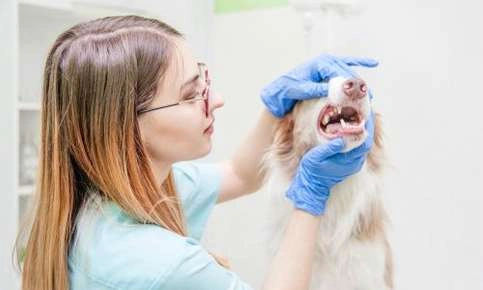
10 Reasons Why You Should Schedule a Dental Exam for Your Pet During Pet Dental Month Pet dental month, held every February, highlights the importance of dental care for our furry friends. Tooth decay, gum disease, and other oral health conditions don’t just affect people, they may also be an issue for pets. Fortunately, regular checkups can help prevent these
Learn More

Reducing the Spread of Disease When You Have Multiple Pets
Created in Newsletter Library, Keeping Pets Healthy
What’s worse than a sick pet? Three of them! Viruses and parasitic infections can quickly spread among your pets, making them feel miserable. Taking these preemptive steps when one of your furry friends shows signs of an illness can help you protect the health of the entire group. Determine Who’s Really Sick Pets don’t always show obvious signs of illness
Learn More

Ringworm in Cats and Dogs
Created in Newsletter Library, Keeping Pets Healthy
Ringworm is not actually caused by a worm, but rather by a fungus that infects the outer layer of skin and hair. It is a zoonotic disease, meaning it can be transmitted from pets to humans, or people to pets. There are numerous species of ringworm. It is most commonly recognized in cats (often kittens) and dogs, although rabbits and
Learn More