2814 S 107th Ave, Omaha, NE 68124

402-397-2424
Book Online
Rockbrook Animal Clinic Logo
  • About
    • Meet Our Doctors
      • Dr. Martin Ramm
      • Dr. Matt Vipond
      • Dr. Amanda Valadez
      • Dr. Jessica Ramm
      • Dr. Natalie Allen
    • Meet Our Team
    • What to Expect
    • Reviews
    • Blog
  • Services
    • Wellness Care
    • Vaccinations
    • Puppy & Kitten Care
    • Diagnostic Care
    • Dental Care
    • Spay & Neuter
    • Pet Surgery
    • Pain Management
    • Laser Therapy
    • Senior Pet Care
    • Stem Cell Therapy
    • Urgent Care
  • Resources
    • New Client Info
      • New Client Form
    • Payment Options
    • Online Pet Pharmacy
    • FAQs
  • Contact
402-397-2424
Book Online

October Newsletter: How to Care for Your Pets When They Are Teething

Back
Image
Created in Newsletter Library

How to Keep Teething Pets Comfortable

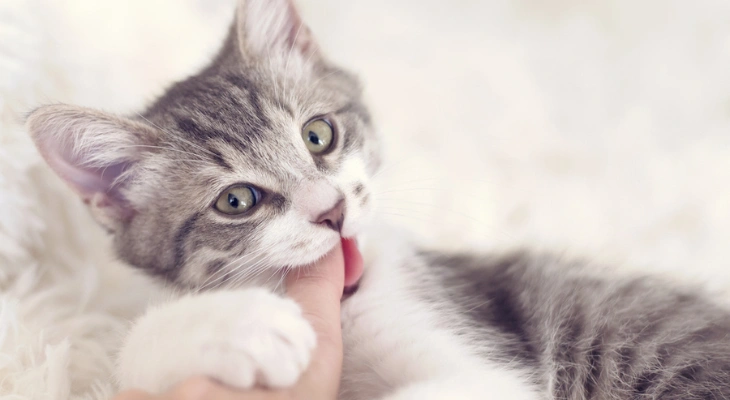
Is your puppy or kitten using your hand as a chew toy? Your furry friend could be trying to relieve teething discomfort. Just like human babies, pets experience pain when new teeth push through their gums.

Common Teething Signs

Puppies are born without teeth. Your puppy’s first set of 28 teeth, called deciduous (baby) teeth, emerge two or three weeks after your pet is born. These teeth begin to fall out when your pet is a few months old and are replaced by a set of 42 permanent teeth. Permanent teeth begin to erupt between 3 1/2 to 5 months of age, depending on breed.

Kittens have a similar teething experience. Twenty-six deciduous teeth poke through the gums during the first few weeks of life. The deciduous teeth fall out when a kitten is about 4 months old. By the time your pet is 6 months old, it will have most or all of its 30 permanent teeth.

Signs that could mean your puppy or kitten is teething include:

  • Biting and Chewing. Any object, whether it’s a stuffed animal, your favorite pair of shoes, or your finger, becomes a chew toy when your pet is teething.
  • Loose Teeth on the Floor. If your pet doesn’t swallow its deciduous teeth, you may see a few on the floor when teething begins.
  • Drooling. Your kitten or puppy may begin to drool as saliva production increases due to teething.
  • Changes in Eating Habits. Teething pets may find it difficult to chew and might eat less than usual.
  • Bloody Toys. A little blood on toys is normal and isn’t a cause for concern. If you see more than a few spots of blood, let your veterinarian know.
  • Inflamed Gums. Gums become red, swollen, and irritated during teething.

How You Can Help Your Puppy or Kitten

These tips can make teething a safe, comfortable experience for your pet:

  • Offer Chew Toys. Chewing reduces pressure on the gums and offers temporary relief from teething pain. Pet supply stores and websites offer a variety of chew toys, some of which can be chilled in the refrigerator or freezer for added relief. DVM360 notes that dishcloths can become chew toys if you wet and freeze them. Make sure the toys you choose don’t have loose parts that could be swallowed.
  • Pet Proof Your Home. When the desire to chew strikes, your pet won’t care what it uses to satisfy the urge. Keep electrical cords out of reach or place them inside cord protectors to prevent potentially deadly electrical shocks. Use a trash can with a pet-proof lid and empty trash regularly to ensure that your pet doesn’t accidentally eat something dangerous. Add child safety locks to cabinets to prevent pets from ingesting cleaning supplies or medications. Put away shoes and belongings promptly to prevent damage. Install edge protectors on furniture if your pet considers the corner of a cabinet or couch the perfect chew toy.
  • Switch to Soft Food. Dry food can irritate your pet’s sensitive gums when teething. If you notice that your puppy or kitten struggles to eat dry food or doesn’t eat as much as usual, it may make sense to offer soft food or moisten dry food before serving it to your pet.
  • Visit Your Veterinarian. Does your pet still have some baby teeth even though most of its permanent teeth have erupted? Retained baby teeth can affect the alignment of your pet’s permanent teeth. Your veterinarian can remove these teeth and check for signs of problems with your pet’s mouth and jaw.

What to Do About Biting

Is your hand or foot covered in bite marks made by your teething pet? It may seem cute when your tiny kitten or puppy chomps on your hand, but your opinion is bound to change when your full-grown pet sinks its sharp teeth into your skin. When your puppy or kitten begins to bite, say “ow” and remove your hand. Offer a toy as a distraction. If the behavior continues, walk away and ignore your pet for a minute or two.

Do you have concerns about your teething pet? Contact our office to share your concerns or schedule an appointment.

Sources:

DVM360: Top 5 Tips for Teething Puppies, 12/4/2015

https://www.dvm360.com/view/top-5-tips-teething-puppies

American Kennel Club: Puppy Teething and Nipping: A Survival Guide, 9/18/2023

https://www.akc.org/expert-advice/health/puppy-teething-and-nipping/

Purina: Kitten Teething Advice

https://www.purina.co.uk/articles/cats/kitten/health/kitten-teething

American Humane: Pet-Proofing Your Home

https://www.americanhumane.org/fact-sheet/pet-proofing-your-home

Categories

Choosing Your Pet
  • Cats
  • Dogs
  • Exotics
  • Finding Your Pet
  • Livestock
  • Small Mammals
Client Survey
Living With Your Pet
  • Bringing Your Pet Home
  • Children and Pets
  • Providing Care
  • Saying Goodbye
  • Travel
Newsletter Library
  • Behavior & Training
  • Cats
  • Equine
  • Fleas & Parasites
  • Keeping Pets Healthy
  • Newsletter Archive
  • Nutrition & Food
  • Pet Dangers
  • Recognizing Illness
  • Seasonal Topics
  • Tips for Pet Owners
  • Visiting the Vet
Pet Health
  • Chronic Conditions
  • Digestive and Oral Health
  • Diseases and Viruses
  • Orthopedics
  • Pests and Parasites
Pets4Kids
Today's Veterinarian
Video Newsroom
  • Health Topics
  • Other Interests
  • Technology and Science

Where Every Pet Is Welcomed and Cared for like Family

402-397-2424
Book Online

Reviews


Trusted by Pet Parents Like You

Quote Icon
I came here after having a not so great experience at my cat’s previous vet and was amazed by how nice and caring Dr. Natalie is. I love that she sat on the floor when she was in the room with us because it definitely makes things feel less intimidating. I felt comfortable having her see my cat and knew that she would take good care of him. I love her personality and all the suggestions she gave me to my questions and concerns. The pricing here is also very reasonable. Overall, would recommend to a friend!

Jennifer D.

Quote Icon
They are always so compassionate and clearly care about my animals but they are also understanding of financial constraints. They don't offer payment plans or anything but they do their best not to go crazy with stuff without discussing the cost which I really appreciate. Every doctor and tech is so kind and makes me feel like they are doing all they can to help my pets live full and happy lives.

Leslie S.

Quote Icon
We have a new rescue (first appointment) that is very scared of new people based on her history before being rescued. They made it the top priority to make her feel welcome and comfortable before ever checking her out. They sat on the floor with her and gave her pets and treats first. It made the appointment very easy for her and I.

Adam R.

Quote Icon
My blue heeler needed staples due to altercation with my other dog. Nurse was super friendly with our pet and us. Doctor was good and care was fast. Buisness was clean and inviting. Follow up phone calls were same day regarding pill questions. Great experience. Charge was very affordable. Going back in a week for staple removal.

Mama T.

Quote Icon
We saw Dr Ramm for many years and he was hands down the best Vet I have ever had. House visits for established patients, always available for questions. Very knowledgeable and kind towards our animals and us. If we could have taken him to Florida with when we moved, Florida would be a better place. We miss having him as our vet so much.

Davin C.

Read More Reviews

Testimonials

Office Front Gate

Contact Info

2814 S 107th Ave, Omaha, NE 68124

402-397-2424

Rockbrook Animal Clinic Logo

Office Hours

Mon–Thu: 8:00 AM – 6:00 PM
Fri: 8:00 AM – 5:00 PM
Sat: 8:00 AM – 1:00 PM
Sun: Closed
© 2026 Rockbrook Animal Clinic. All Rights Reserved. | Privacy Policy | Terms of Use | Accessibility | Sitemap
Rockbrook Animal Clinic Logo
  • About
    • ← Back
    • Meet Our Doctors
      • ← Back
      • Dr. Martin Ramm
      • Dr. Matt Vipond
      • Dr. Amanda Valadez
      • Dr. Jessica Ramm
      • Dr. Natalie Allen
    • Meet Our Team
    • What to Expect
    • Reviews
    • Blog
  • Services
    • ← Back
    • Wellness Care
    • Vaccinations
    • Puppy & Kitten Care
    • Diagnostic Care
    • Dental Care
    • Spay & Neuter
    • Pet Surgery
    • Pain Management
    • Laser Therapy
    • Senior Pet Care
    • Stem Cell Therapy
    • Urgent Care
  • Resources
    • ← Back
    • New Client Info
      • ← Back
      • New Client Form
    • Payment Options
    • Online Pet Pharmacy
    • FAQs
  • Contact

402-397-2424

2814 S 107th Ave, Omaha, NE 68124

Book Online
Pet Portal