2814 S 107th Ave, Omaha, NE 68124

Heart Disease in Cats
Created in Newsletter Library, Cats
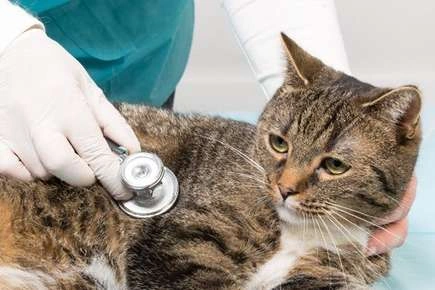
Cats are wonderful pets. In fact, they outnumber dogs as pets in the United States. It is estimated that 60.2 to 62 Million cats are kept as pets; one-third of all households have at least one feline friend. It is important for cat owners to be aware of a stealthy disease that may affect as much as 15 to 20% of all
Learn More

Fun Cat Trivia
Created in Newsletter Library, Cats
Cats are amazing animals. They have become one of the most popular pets because of their playfulness, independent nature, daily low-maintenance lifestyle, and affectionate personalities. Enjoy these fun facts about your favorite feline. A group of kittens is called a kindle; a group of cats is called a clowder. A female cat is called a queen, a male cat is
Learn More

Flea Prevention Is Important for Cats Too!
Created in Newsletter Library, Cats
When most people think of who needs flea prevention, the family dog is at the top of the list, and often cats are forgotten or assumed to be flea free. Dogs are bathed more regularly than cats and when they scratch it’s much more obvious. Cats are very clean creatures; they groom themselves daily and often don’t show as many
Learn More
Glaucoma in Cats
Created in Newsletter Library, Cats
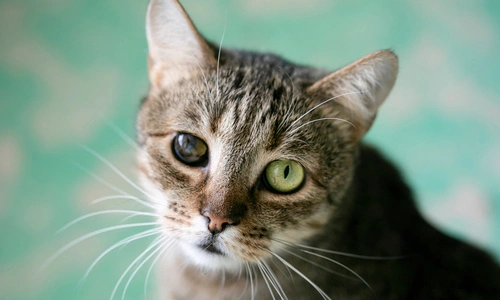
Could Glaucoma Destroy Your Cat’s Vision? Glaucoma, an eye disease that can cause vision loss in humans, may also affect your favorite feline. Although cats can develop the disease at any age, older cats may be at increased risk. How Glaucoma Affects Eyesight Glaucoma occurs when the pressure inside your cat’s eye rises dangerously high. Increasing pressure damages the optic
Learn More
Diabetes in Cats: Prevention and Treatment
Created in Newsletter Library, Cats
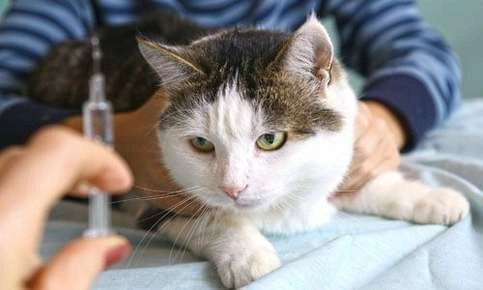
Diabetes in cats, also known as feline diabetes mellitus, is an increasingly common disease affecting 1 out of every 400 cats. Obesity is the leading risk factor for diabetes. “Overweight or obese cats are two to four times more likely to develop diabetes than cats with a healthy body weight,” says board-certified veterinary nutrition specialist Dorothy Laflamme, DVM, PhD, DACVN.
Learn More

Declawing Alternatives for Cats
Created in Newsletter Library, Cats
Cat declawing is possibly one of the most controversial of all animal surgeries. Cats scratch to mark territory and to keep their claws in top condition, but the scratching behavior can challenge the bond between a cat and his owner. Felines, especially young cats, often play rough and scratch their owners or other animals. Scratching behavior also ruins furniture, flooring,
Learn More

Do Cats Really Love Milk?
Created in Newsletter Library, Cats
Cats, unlike dogs, are true carnivores which means they thrive on meat only diets and require no vegetable, grain, or dairy supplementation. Cows milk is not recommended for cats because it can be too rich for their digestive systems. This is because most cats can’t digest milk properly because it contains lactose and most cats are lactose intolerant. The proteins in
Learn More
Does Your Cat Have a Grooming Problem?
Created in Newsletter Library, Cats
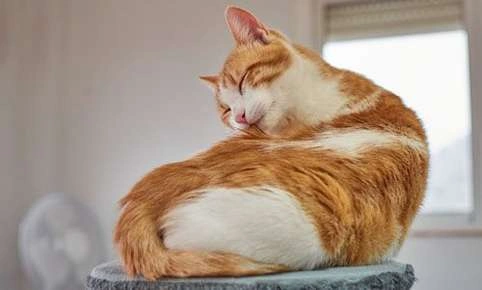
Good grooming comes naturally to most cats. They diligently lick their fur multiple times per day, ensuring that their coats look sleek and healthy no matter what the season. When your normally well-groomed pet suddenly looks greasy and disheveled, it’s only normal to be concerned. Although most short-term changes in grooming aren’t serious, over- or under-grooming can be a sign
Learn More

Does Your Cat Need Vaccines?
Created in Newsletter Library, Cats
In a word, yes. “No other medical development has been as successful as vaccination in controlling deadly diseases in companion animals,” says feline veterinarian Dr. Arnold Plotnick. The Exception Dr. Plotnick and other veterinarians acknowledge that, rarely, vaccinations in cats have been linked to the development of fibrosarcoma, a type of cancer that may occur at the site of injection.
Learn More

Could Those Sniffles Be a Symptom of the Feline Flu?
Created in Newsletter Library, Cats
The flu doesn’t just affect people. Your cat can develop the viral infection, too. Although most cats recover fully from a bout of the flu, it can be particularly hard on young, old and immune-compromised cats. Take a look at a few symptoms that can occur if your furry friend has the feline flu. Common Symptoms of Feline Flu Your
Learn More