2814 S 107th Ave, Omaha, NE 68124

How to Clean Your Pet’s Teeth
Created in Newsletter Library, Keeping Pets Healthy
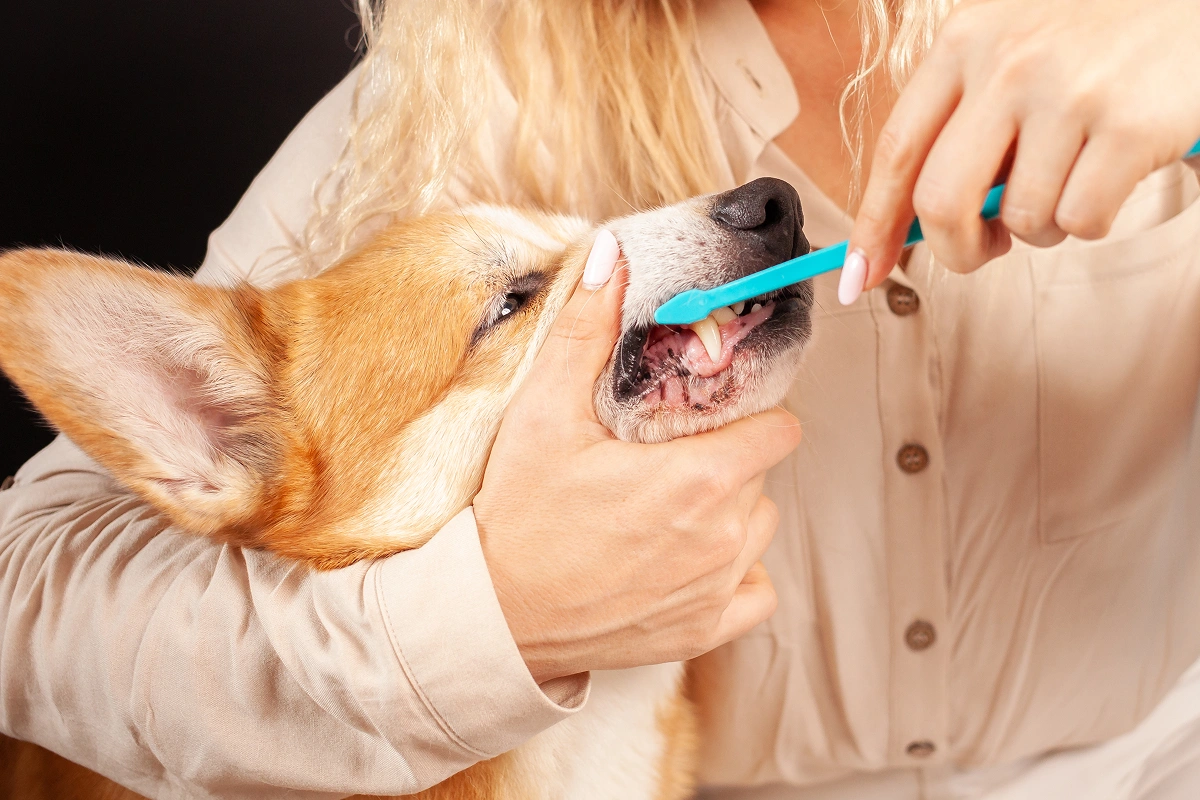
Per their dentist’s recommendation, most people brush their teeth twice a day and floss once a day. Practicing regular at-home care and routinely visiting an oral health professional can help prevent bad breath, tooth decay and gum disease. Having good oral hygiene practices is also essential for helping maintain one’s overall health. Did you know that having good oral hygiene
Learn More
How to Control Bad Breath in Pets: Tips & Tricks
Created in Newsletter Library, Keeping Pets Healthy
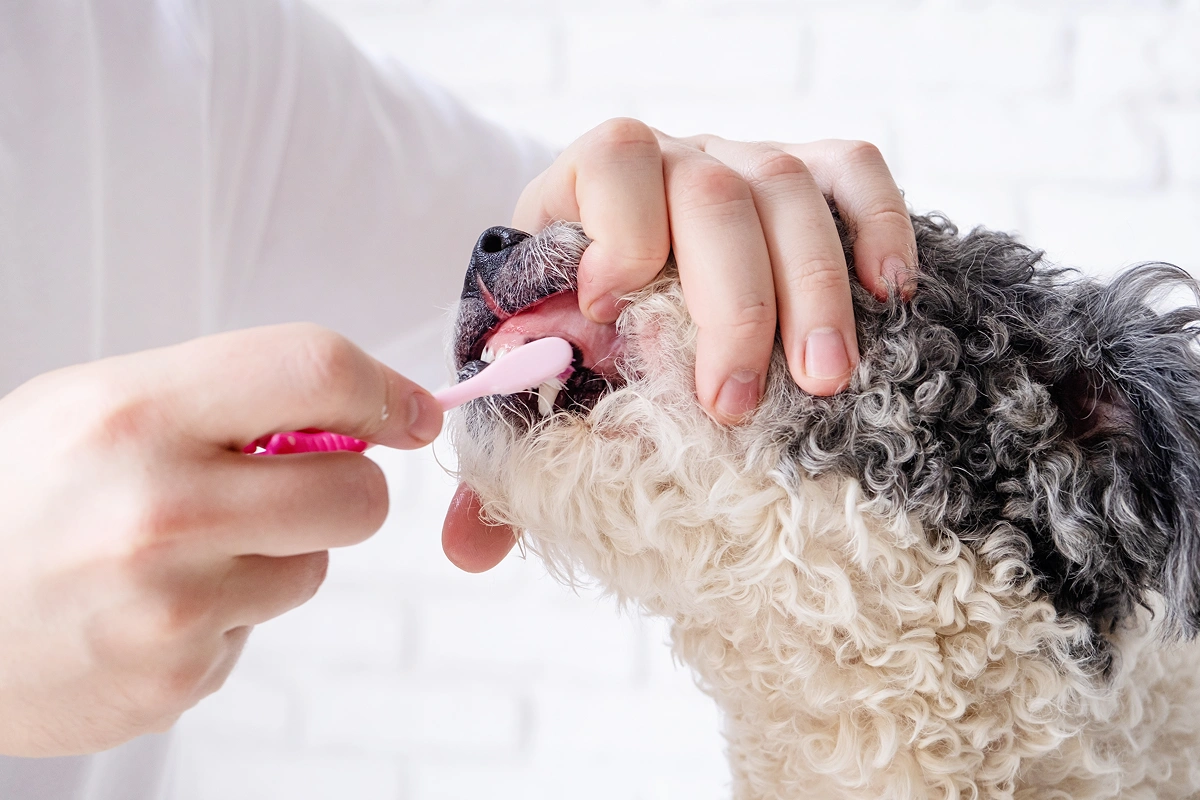
There’s nothing fun about getting a slobbery wet kiss from a dog or a cat with bad breath! Bad breath, also known as halitosis, is generally caused by excessive build-up of odor -producing bacteria inside your pet’s mouth, lungs, or even gut. While most cases of bad breath can be traced back to poor oral hygiene, in some cases, bad
Learn More
How to Take Care of Your Pet’s Nails
Created in Newsletter Library, Keeping Pets Healthy
Many pets dislike having their feet touched and their nails trimmed. Owners worry that they may hurt their pets especially if the pet struggles when having their nails cut. This is probably why many owners take their pets to their veterinarians or groomers to have this done. If you are thinking of trimming your pet’s nails at home, there are
Learn More

Identifying Dementia in Senior Dogs
Created in Newsletter Library, Keeping Pets Healthy
Could Your Senior Dog Have Dementia? Dogs and people share many things in common, including the tendency to develop dementia as they age. If your dog has dementia, you’ll notice a few key behavioral changes. Common Signs of Dementia Canine cognitive dysfunction (CCD), commonly called dementia, is responsible for the changes you may have noticed in your dog’s behavior. Your
Learn More

How to Prevent Motion Sickness in Pets
Created in Newsletter Library, Keeping Pets Healthy
You’ve just started your car trip with your dog or cat when you hear a particularly disturbing sound, followed by an unmistakable odor. Motion sickness doesn’t just affect humans, but can also be a problem for our animal companions. Although the easy answer to the problem is “don’t take your pet for rides in the car,” it’s not always possible
Learn More
Home Dental Care
Created in Newsletter Library, Keeping Pets Healthy
Home dental care for your cat or dog has the same goal as home dental care for yourself, to remove dental plaque. Plaque is the sticky, whitish film with the bad taste and offensive odor that accumulates inside the mouth. Plaque is about 85% bacteria and will mineralize to form tartar. Plaque accumulation causes infection in the gums (gingivitis) and
Learn More
Do I Have to Vaccinate My Pet?
Created in Newsletter Library, Keeping Pets Healthy
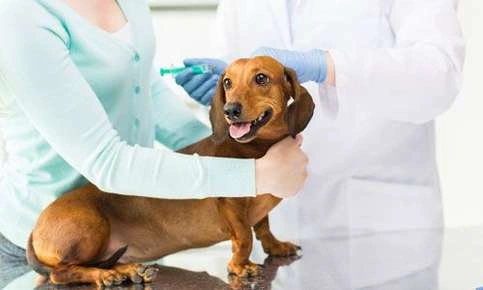
Have you ever wondered if the vaccinations your pet receives are really needed? Although getting your pet into the car for the drive to the veterinarian’s office isn’t always easy, skipping vaccinations can have a serious impact on your pet’s health. Why Are Vaccines Important? Vaccines not only prevent your pet from catching infectious diseases, but also offer other important
Learn More
Does Your Young Dog or Puppy Have Pain or Lameness?
Created in Newsletter Library, Keeping Pets Healthy
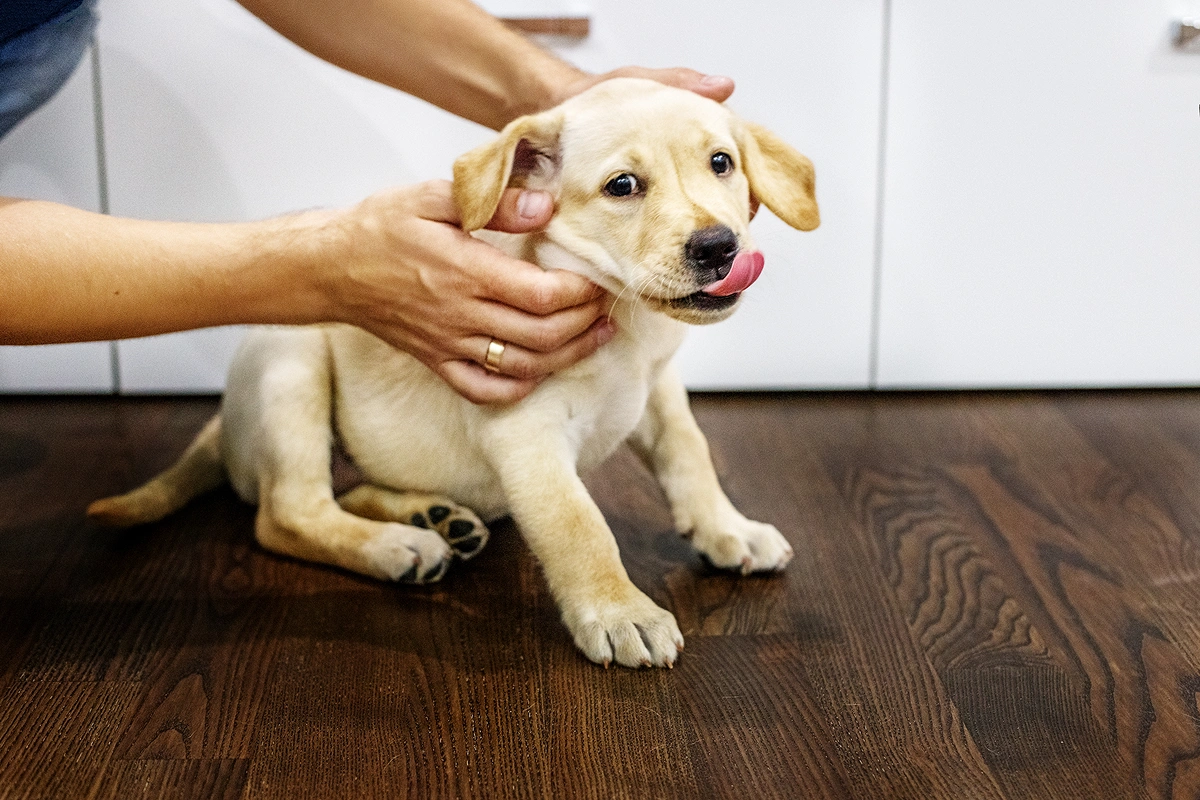
Young puppies are expected to be full of life and energy. They are enthusiastic about playtime, walks and exercise. Puppies will often follow you wherever you go, can disrupt your nap or quiet time in their excitement to show you something new, and be always ready for playtime and fun. When puppies and young dogs are lethargic and demonstrate pain
Learn More

Cold Symptoms in Dogs
Created in Newsletter Library, Keeping Pets Healthy
Can My Dog Catch a Cold? Colds don’t just make people miserable. Dogs can also experience sneezing, coughing, congestion, and other common cold symptoms. What Are the Symptoms of Colds in Dogs? You’re probably already familiar with the symptoms of colds in dogs, as they’re pretty much identical to the ones you experience. In addition to sneezing, coughing and nasal
Learn More
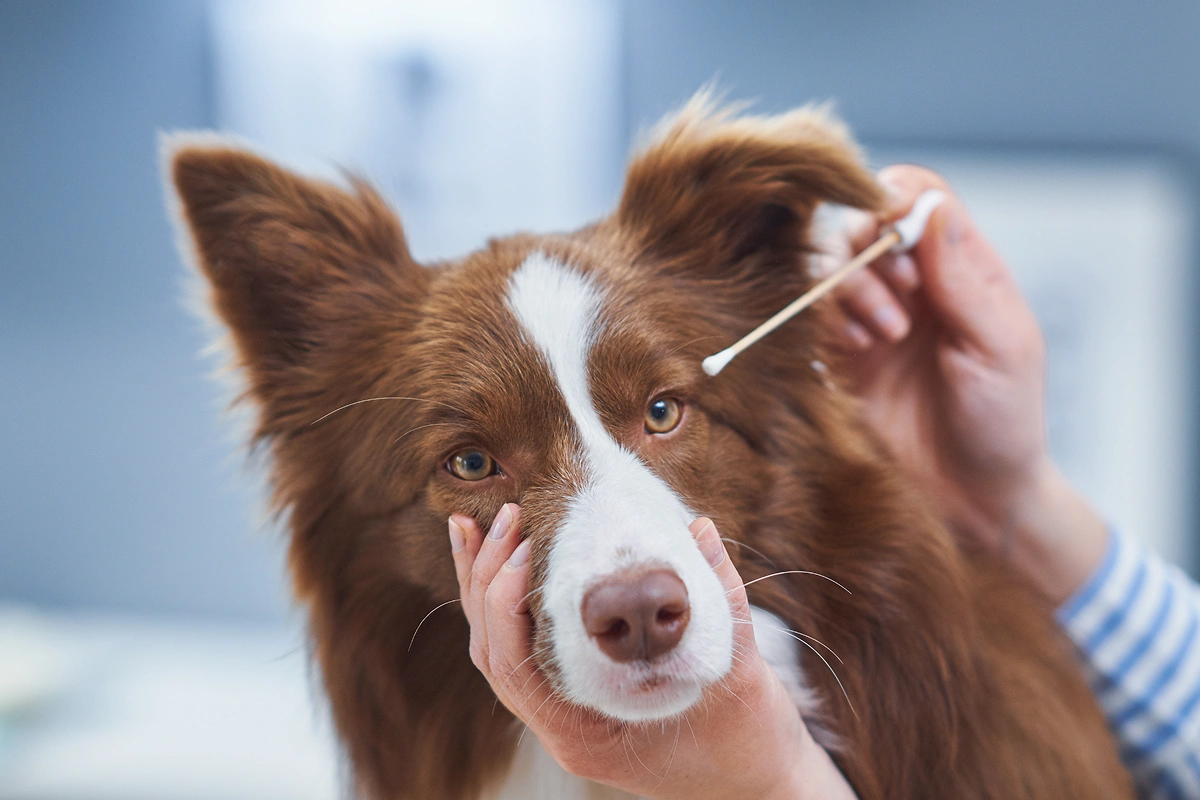
Bringing Dog Vision in Focus
Created in Newsletter Library, Keeping Pets Healthy
Veterinary ophthalmologists are often asked, “How well do animals see?” Visual function involves a combination of many factors, including: the field of view, depth perception, acuity, perception of motion, and color differentiation. All of these functions must then be integrated by the brain to produce useful vision. Although we are unable to ask our pets to read an eye chart,
Learn More