2814 S 107th Ave, Omaha, NE 68124

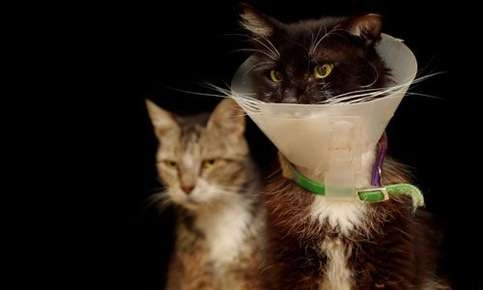
Reducing the Spread of Disease When You Have Multiple Pets
Created in Newsletter Library, Keeping Pets Healthy
What’s worse than a sick pet? Three of them! Viruses and parasitic infections can quickly spread among your pets, making them feel miserable. Taking these preemptive steps when one of your furry friends shows signs of an illness can help you protect the health of the entire group. Determine Who’s Really Sick Pets don’t always show obvious signs of illness
Learn More
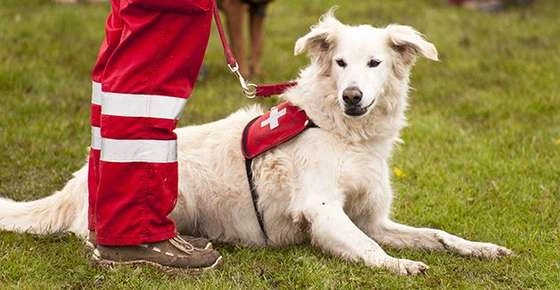
Rescue Dogs
Created in Newsletter Archive, Unbelievable Pets
Among the many heroes in the days and weeks following September 11 were search and rescue dogs. These dogs and their handlers were brought in from all over the country to help at the New York and Washington, D.C. disaster sites. Many people are not aware that the handlers of these dogs are not always law enforcement employees, but volunteers
Learn More
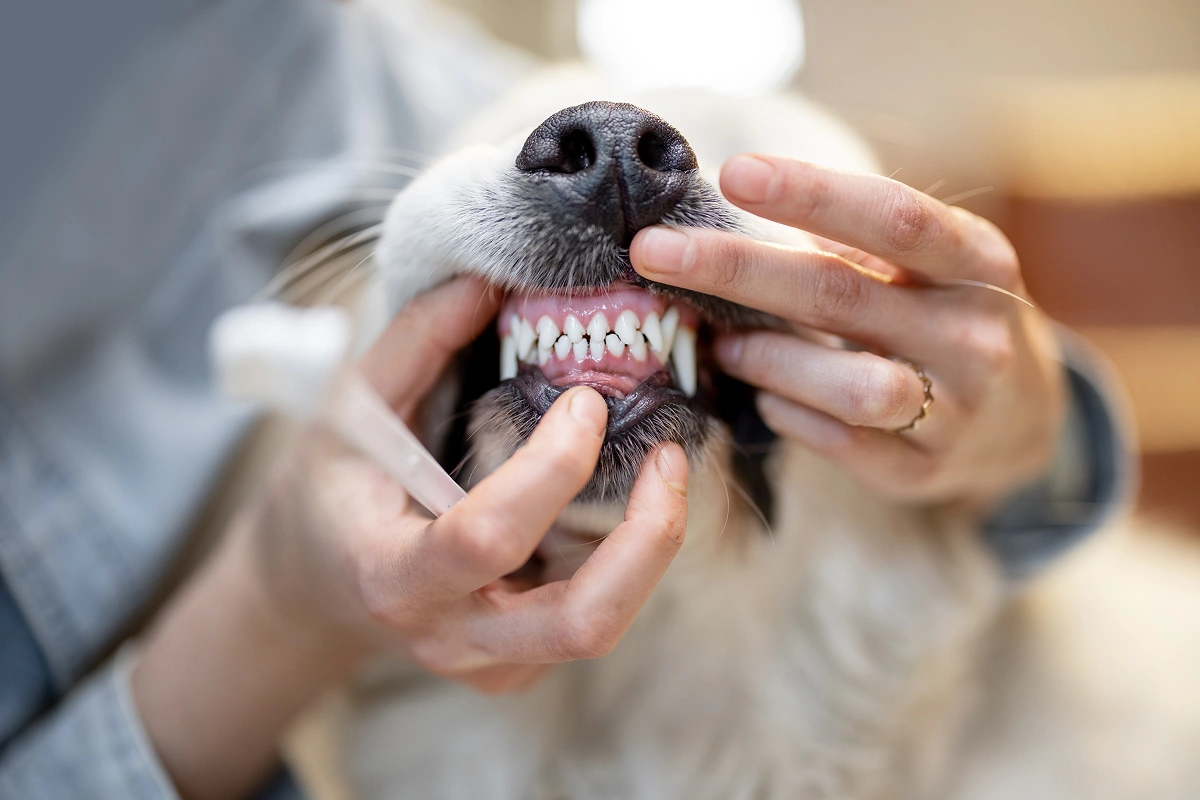
Put Some Teeth Into Your Pet’s Dental Care
Created in Newsletter Library, Keeping Pets Healthy
According to the American Animal Hospital Association, nearly two-thirds of pets suffer from dental problems because their owners do not provide dental care for them. Imagine what would happen to your own teeth if they were never brushed or examined by a dentist. The same thing can happen with your pet’s teeth. Just as in humans, not brushing leaves bacteria
Learn More
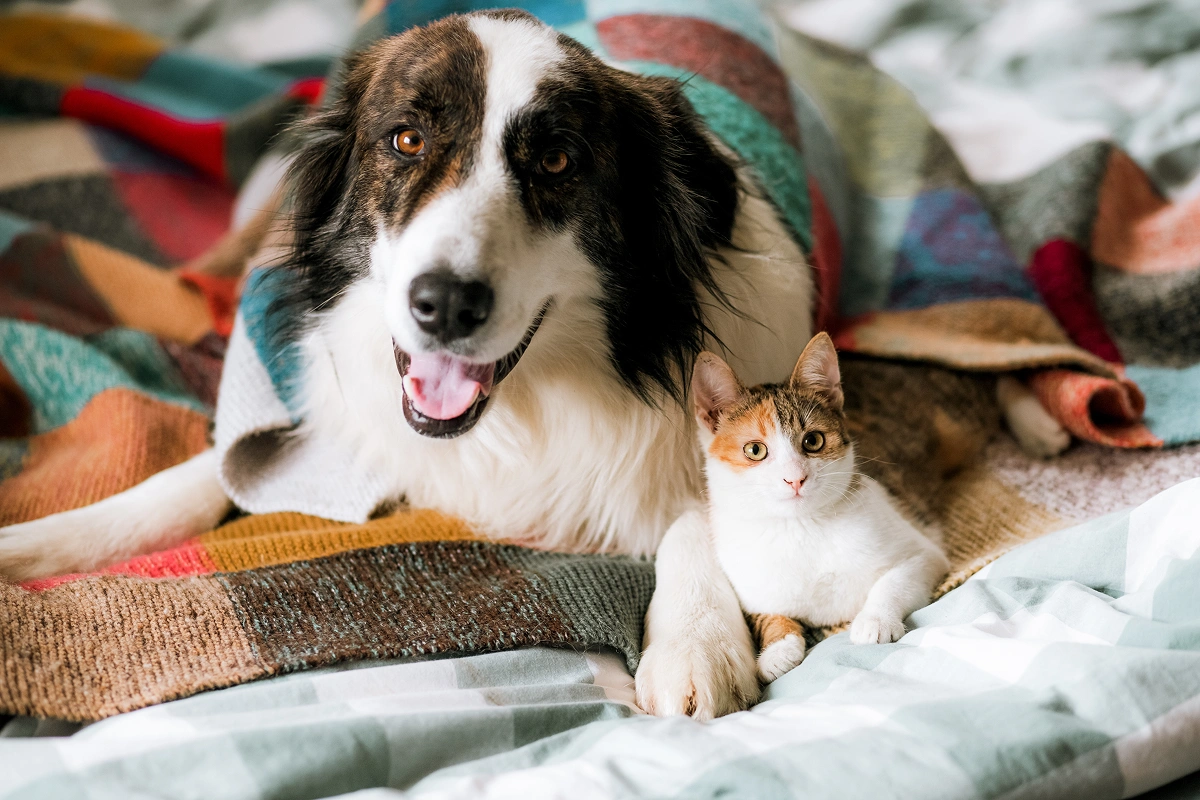
Ringworm in Cats and Dogs
Created in Newsletter Library, Keeping Pets Healthy
Ringworm is not actually caused by a worm, but rather by a fungus that infects the outer layer of skin and hair. It is a zoonotic disease, meaning it can be transmitted from pets to humans, or people to pets. There are numerous species of ringworm. It is most commonly recognized in cats (often kittens) and dogs, although rabbits and
Learn More

Quick Facts About Cancer
Created in Newsletter Library, Recognizing Illness
Family pets are often described as our “best friends” and news that they are sick can be devastating. Cancer is a disease that can affect family pets like dogs and cats. Through the years, research has developed many cures and treatments for use in improving or sustaining the health of pets that present with a cancer diagnosis. Let’s look at
Learn More
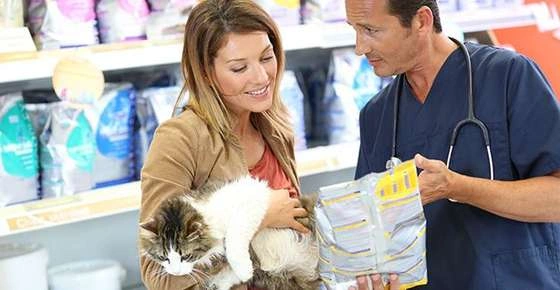
Reading Pet Food Labels
Created in Newsletter Library, Nutrition & Food
When you visit the grocery or pet store, you can find hundreds, if not thousands, of kinds of dog and cat foods. The advertisements and marketing materials for each claims their food is the best. How can you decide what food to feed to your pet? Dedicated pet owners will attempt to read labels to help them make a decision
Learn More

Rabies- Not a Disease of the Past
Created in Newsletter Library, Pet Dangers
Did you ever think that your pet’s rabies vaccination wasn’t all that important? Did you know that if your cat or dog is not current on its rabies vaccination, and a stray or wild animal bites your pet, the County Health Department can, and will, demand that the pet be euthanized or strictly quarantined for six months, and they will
Learn More

Preparing for Your Kitten’s Developmental Milestones
Created in Newsletter Library
Your Kitten’s Developmental Milestones Do you know what to expect if a kitten will soon be joining your family? Just like human babies, kittens pass through several distinct developmental stages. Birth to 2 Weeks Kittens can’t see or hear when they’re born but will develop those important senses fairly quickly. They’ll identify their mother by scent and snuggle close to
Learn More

Pretty Poisonous Plants
Created in Newsletter Library, Pet Dangers
We all enjoy flowers, whether in a vase in our house or in our gardens. We enjoy the multitude of bright colors and the fragrant odor they give us. But there can be a dangerous aspect to some of our favorite plants. The list of poisonous plants is very long, but this will give you information about some of the
Learn More
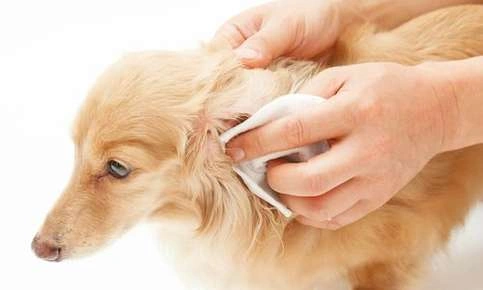
Proper Ear Care for Pets
Created in Newsletter Library
How to Properly Care for Your Pet’s Ears How long has it been since you took a peek at your pet’s ears? Examining your furry friend’s ears, whether they’re floppy or upright, can help you spot signs of infections, mites, and other health problems. How Often Should I Check My Pet’s Ears? Weekly ear checks are a good idea for
Learn More