2814 S 107th Ave, Omaha, NE 68124

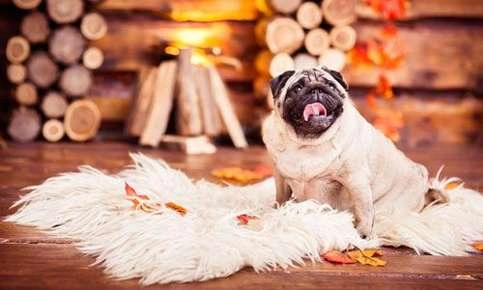
Keep Your Pets Calm During the Holiday Season with These Tips
Created in Newsletter Library, Behavior & Training
Although the holidays may be an exciting time of the year for you, your pets may find the festivities a little overwhelming. Even normally well-behaved pets can experience a little anxiety when their usual routines are disrupted. These tips will help you ensure that your furry friends truly enjoy the holiday season. Create a Haven The holidays are the perfect
Learn More
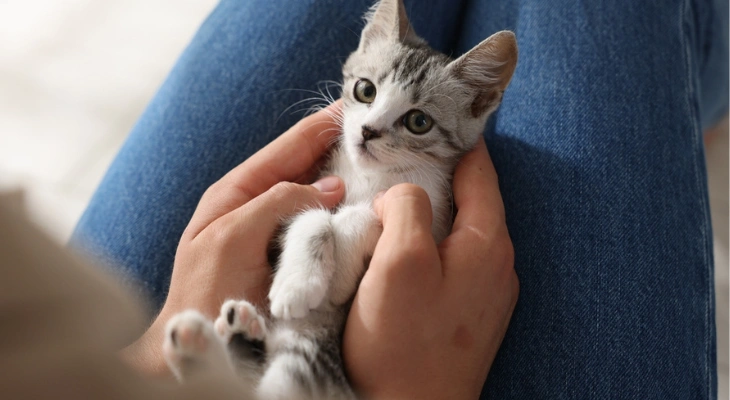
July Newsletter: How to Properly Care for Your New Pet
Created in Newsletter Library
How to Properly Care for Your New Pet Welcoming a new pet to your home is an exciting time. Whether your new addition is a dog, cat, or hamster, familiarizing yourself with pet care basics will help you provide a comfortable, happy home for your new pet. Caring for Your New Dog Stock up on the basics before bringing your
Learn More
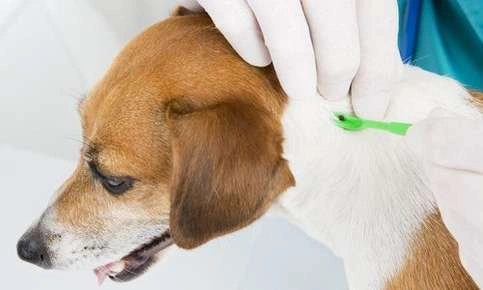
Keeping Your Pets Safe During Flea and Tick Season
Created in Newsletter Library, Fleas & Parasites
How to Keep Your Pets Safe from Lyme Disease and Other Illnesses During Flea and Tick Season Warmer weather brings the return of fleas and ticks throughout the entire U.S. Fortunately, keeping your pet safe from these tiny but troublesome pests can be as easy as taking a few simple precautions. Ticks Can Cause Long-Lasting Health Problems Ticks are opportunists.
Learn More

July Newsletter: When Is the Right Time to Microchip Your Pet?
Created in Newsletter Library
When Is the Right Time to Microchip Your Pet? Your pet’s safety becomes a priority the instant your furry friend enters your home for the first time. No matter how thoroughly you pet-proof your home, your dog or cat could still wander off. It only takes an instant for a pet to slip through an open door or bolt from
Learn More
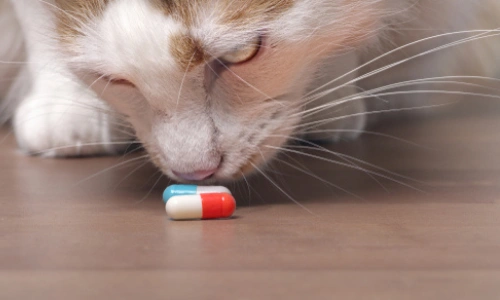
Keep Your Pets Safe From Toxic Household Items
Created in Newsletter Library, Pet Dangers
Household Items That Are Toxic to Your Pet Curious pets explore their environments by sniffing, licking, and tasting. Unfortunately, eating or licking cleaners, pills, plants, and other items may sicken animals. These common household items can cause illness or even death if your pet ingests or inhales them. Cleaning Products Swallowing or licking household cleaners can cause vomiting, trouble breathing
Learn More
June Newsletter: How Your Veterinarian Can Address Parasites
Created in Newsletter Library
Treating Parasites: How Your Veterinarian Can Help Parasites affect your pet’s health and comfort and can cause serious illnesses and infections. Whether your cat can’t stop scratching due to fleas, or your dog is struggling with diarrhea from roundworms, your veterinarian offers effective treatments. Does Your Pet Have an Internal or External Parasite? Both types of parasites can cause problems
Learn More

Keeping Pets Safe from Being Lost
Created in Newsletter Library, Pet Dangers
An estimated one third of all pets will become lost at some point in their life. Reasons for pets becoming lost include everything from a loose gate to breaking free from a leash. With so many possible ways for a pet to become lost, it is important to follow some simple safety procedures. Dog Tags (Identification Tags) Keep an up-to-date
Learn More

January Newsletter: Why Heartworm Prevention and Treatment Is Important
Created in Newsletter Library
Why Heartworm Prevention and Treatment Is Important Is your pet up-to-date on heartworm prevention? Heartworm preventatives protect your pet from heartworms. If your pet does happen to develop symptoms of a heartworm infestation, prompt treatment could help your furry friend live longer and more comfortably. What Is Heartworm Disease? Heartworm disease can permanently damage your pet’s heart, lungs, arteries, and
Learn More
Learn How to Master Walking Your Dog for Walk Your Pet Month
Created in Newsletter Library, Seasonal Topics
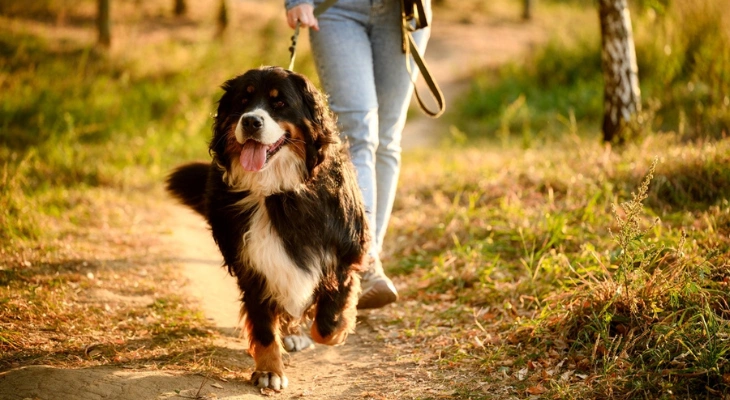
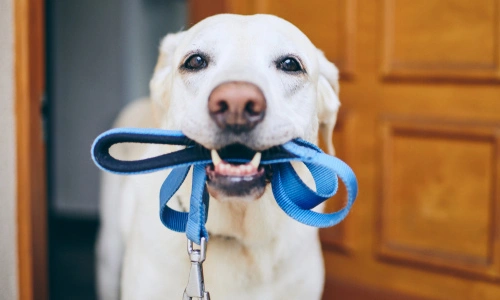
Making Walks with Your Dog More Enjoyable You’ve probably heard people joke, “Are you walking your dog, or is your dog walking you?” In fact, your dog might actually be controlling the walk if it never received any leash training. An untrained dog may pull on the leash or try to dash off to chase a squirrel while you struggle
Learn More
July Newsletter: Signs of Heatstroke in Pets
Created in Newsletter Library
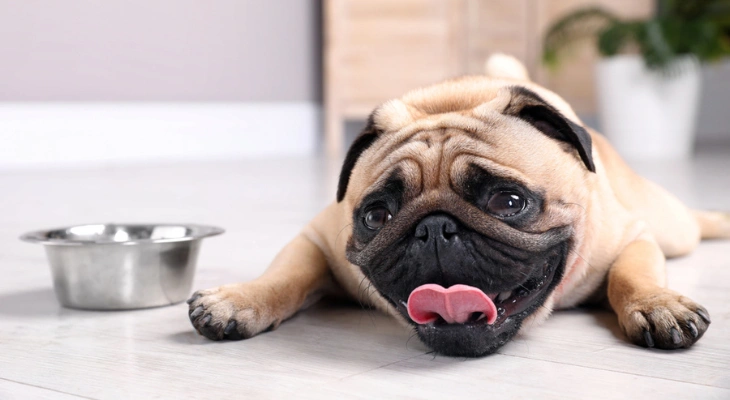
Signs of Heatstroke in Pets Summer heatwaves are just as uncomfortable for your pets as they are for you. In fact, pets can develop heatstroke just like people. Recognizing the signs of this potentially deadly condition will help you protect the health of your furry friends. How to Tell If Your Pets Are Suffering from Heatstroke Any pet, including dogs,
Learn More