2814 S 107th Ave, Omaha, NE 68124

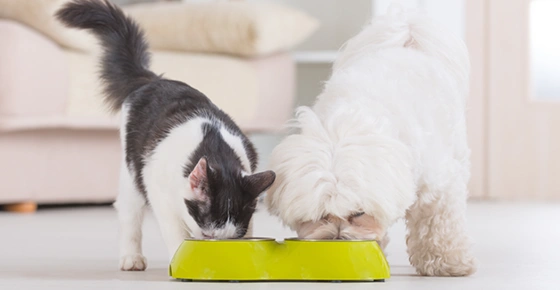
Pet Food Safety Measures to Avoid Health Complications
Created in Newsletter Library, Nutrition & Food
Foods with inadequate nutrition, stored improperly or not handled safely can present problems for you and your pet. Making the right choices for the right pet will give your pet the best chance at optimum wellness. You’ll have peace of mind and know your pet will receive the best health value possible. Remember, your pets are individuals and have independent
Learn More
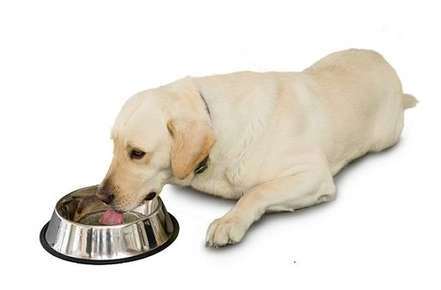
Pet Weight Critical to Wellness of Cats and Dogs
Created in Newsletter Library, Nutrition & Food
The Association of Pet Obesity Prevention advises that pets are suffering from epidemic obesity and it is preventable. Obese or overweight animals weigh in at nearly sixty-percent for cats and nearly fifty-percent for dogs. The number is constantly increasing and causing health conditions and physical distress for household animals. “Helping your pet maintain a healthy weight is crucial to their
Learn More
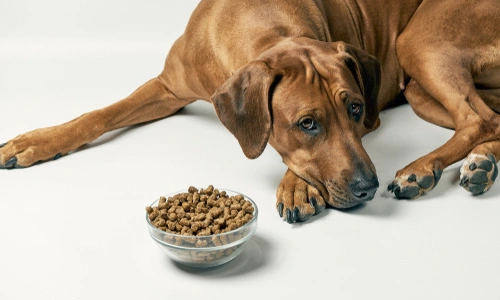
Most Common Digestive Issues in Dogs and How to Relieve Them
Created in Newsletter Library, Nutrition & Food
Common Digestive Issues Your Dog May Experience Diarrhea, constipation, vomiting, and other digestive problems can make your dog one unhappy pooch. Identifying the cause of your pet’s problem is the first step in helping your pet feel better. These Digestive Problems May Affect Your Dog You probably wouldn’t be surprised to learn that digestive issues are a frequent reason for
Learn More

Managing Food Allergies with an Elimination Diet
Created in Newsletter Library, Nutrition & Food
Food allergies are the third most common allergy that affects dogs and cats, outranked only by fleabites and inhaled allergens (e.g., pollen). Allergies to common food ingredients are also on the rise and now account for at least 30% of all allergy cases. Unfortunately for many pets, the most common food allergens are also the most common pet food ingredients.
Learn More
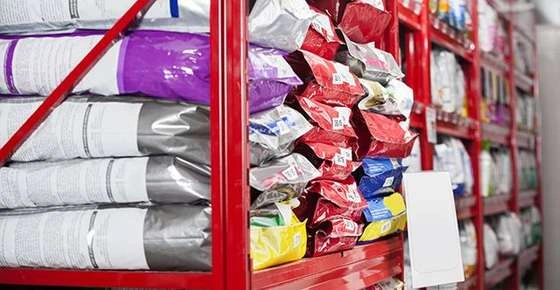
How Safe is Your Dog’s Food?
Created in Newsletter Library, Nutrition & Food
Over the last several years, numerous dog food brands and treats have been recalled for chemical contamination or Salmonella. This last summer many dog food brands were recalled due to Salmonella; all were manufactured in a Diamond Pet Foods plant in Gaston, South Carolina, USA. This plant makes many brands besides their own Diamond brand; Solid Gold, Canidae, Taste of
Learn More
Is Your Pet Overweight?
Created in Newsletter Library, Nutrition & Food
Packing on the pounds is just as dangerous for your pet as it is for you. Being overweight or obese can lead to many of the same health problems whether you are a human, dog or cat. Luckily, with your help, your furry friend can easily lose that excess weight and enjoy a healthier, happier life with your help. How
Learn More

Homemade vs. Store Bought Pet Food
Created in Newsletter Library, Nutrition & Food
Pet owners have more choices than ever when it comes to feeding their pets. Commercially made products are readily available on grocery store shelves, the Internet, and in veterinary offices, while homemade food offers another feeding option. If you’re having a little trouble deciding whether homemade or store-bought food is best, you’ll want to read our take on the subject.
Learn More
Foods to Avoid for Pets on Low Sodium Diets
Created in Newsletter Library, Nutrition & Food
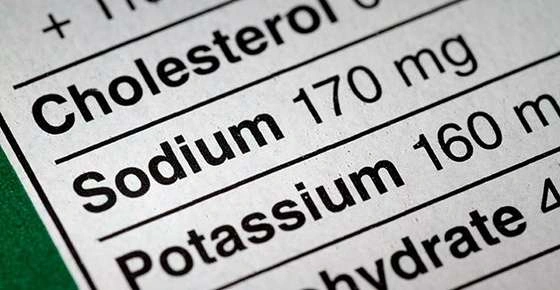
Pets afflicted with heart failure or high blood pressure should not be fed salty foods, as they cause fluid to be retained in the body and make it harder for the heart to work. They also can lead to fluid developing in the lungs (pulmonary edema). Most commercial dog foods have a decent level of sodium, although some have high
Learn More

Food Allergies
Created in Newsletter Library, Nutrition & Food
Food allergies occasionally occur in dogs and cats. They usually manifest themselves as itchy skin, ear infections, chronic vomiting, or diarrhea. If you suspect that your pet may have a food allergy, you can investigate by performing a food trial. There are three rules for a food trial: 1. Pick a new food that is different from any food fed
Learn More

Fitting Fiber into Fido’s Food Bowl
Created in Newsletter Library, Nutrition & Food
Fiber is important because it helps dogs feel full, supports natural, healthy digestion and aids in moving material through their digestive tract. Is there fiber in your pet’s food bowl with each meal? Does your pet need fiber, or more fiber? Grains like wheat, barley, corn and rice contribute small amounts of fiber to pet foods. Pets require adequate amounts
Learn More