2814 S 107th Ave, Omaha, NE 68124


Keeping Pets Safe from Being Lost
Created in Newsletter Library, Pet Dangers
An estimated one third of all pets will become lost at some point in their life. Reasons for pets becoming lost include everything from a loose gate to breaking free from a leash. With so many possible ways for a pet to become lost, it is important to follow some simple safety procedures. Dog Tags (Identification Tags) Keep an up-to-date
Learn More
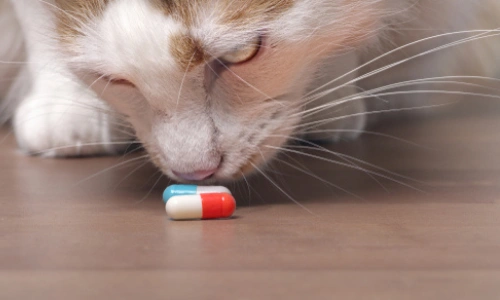
Keep Your Pets Safe From Toxic Household Items
Created in Newsletter Library, Pet Dangers
Household Items That Are Toxic to Your Pet Curious pets explore their environments by sniffing, licking, and tasting. Unfortunately, eating or licking cleaners, pills, plants, and other items may sicken animals. These common household items can cause illness or even death if your pet ingests or inhales them. Cleaning Products Swallowing or licking household cleaners can cause vomiting, trouble breathing
Learn More

How To Avoid A Pet Poisoning
Created in Newsletter Library, Pet Dangers
Preventing an Accidental Pet Poisoning Pets are naturally curious creatures. They can’t resist toppling over the trash can or rooting through your backpack to search for tasty treats. The habit can lead to illness or even death if your cat or dog consumes poisonous or toxic food or chemicals. Fortunately, keeping your pet safe from accidental poisoning can be as
Learn More
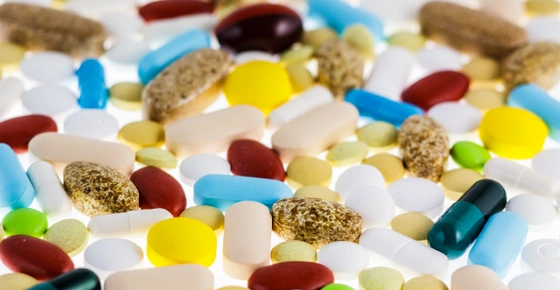
Hidden Dangers of Over-the-Counter Medications
Created in Newsletter Library, Pet Dangers
There are many medications available over the counter (OTC) at pharmacies and grocery stores that we consider to be safe, their use to be routine. We don’t think twice about picking up medications to help with pain or flu symptoms. What many people don’t consider is that these same medications can be very dangerous and even fatal for our pets.
Learn More
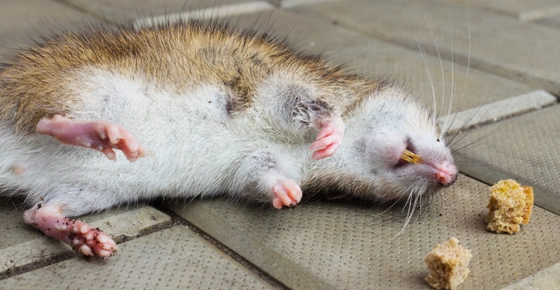
Dangers of Rodent Bait
Created in Newsletter Library, Pet Dangers
There are several general classifications of rodent poison (rodenticide) available over the counter. The most common is one that prevents blood clotting called an anticoagulant; D- con being the most easily recognized in light of the recent bans on second generation anticoagulant rodenticides. Anticoagulant rodenticides can come in many forms from liquid, to pellets, to blocks. They are made to
Learn More
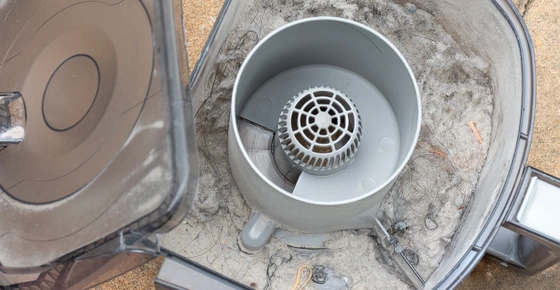
Can PBDEs Harm Your Pet?
Created in Newsletter Library, Pet Dangers
The Environmental Protection Agency indicates that polybrominated diphenyl ethers (PBDEs) have a negative impact on your health and environment. These chemicals in your home environment may be causing harm to your pet without your knowledge. In the body, PBDEs are found in breast milk, blood and the blood of umbilical cords. These chemical compounds persist in the environment and accumulate
Learn More

Calcium is Not Always Good
Created in Newsletter Library, Pet Dangers
When examining a blood panel, a veterinarian may report to the owner that a pet has hypercalcemia, which is an elevated level of calcium in the blood. The owner often then wonders if there is too much calcium in the pet’s food or in the vitamins or supplements the pet is taking. Ingesting calcium in food or canine nutritional supplements
Learn More
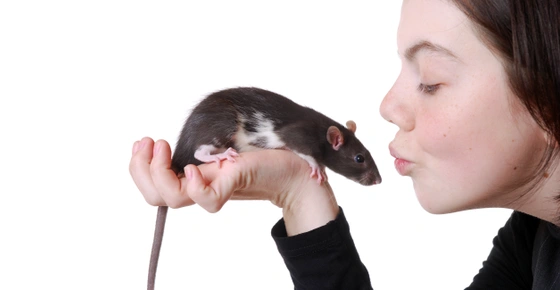
At Risk for Rat Bite Fever?
Created in Newsletter Library, Pet Dangers
Rats have made numerous appearances on the screen and the page as you’ve watched theater movies with your children, read popular children’s books or relaxed while checking out family films with your home’s technology system. Movies have made the rodents popular in the world of children. Popular children’s books and stories have increased interest about the rodents. Their new popularity
Learn More