2814 S 107th Ave, Omaha, NE 68124

Created in Newsletter Library
Is Your Pet’s First Aid Kit Fully Stocked?
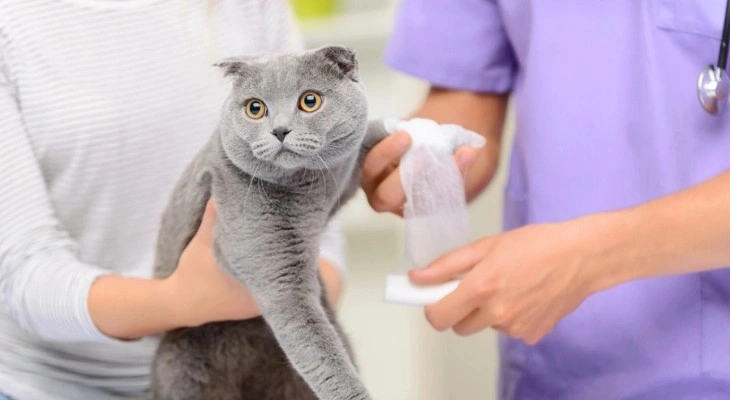
You never know when an accident or health emergency may happen when you have a pet. Keeping a first aid kit fully stocked will ensure you’re ready if trouble strikes.
What Should I Include in the First Aid Kit?
Add these essentials to your pet’s first aid kit:
- Antiseptic Wipes. Use the wipes to remove dirt, debris, and germs from wounds.
- Bandages and Gauze. Buy gauze pads and non-adhesive bandages in a variety of sizes to cover and protect wounds.
- Adhesive Tape. Adhesive tape keeps bandages in place but may pull on hair when removing.
- Compression Bandages. Compression bandages hold wound coverings in place and don’t stick to your pet’s hair. Buy compression bandages or wraps specifically intended for use on pets.
- Antiseptic Gel, Spray, or Cream. Applying antiseptic gel, spray, and cream to a wound before bandaging helps by reducing the risk of infection.
- Tick Remover. Removing ticks promptly can reduce your pet’s risk for Lyme disease and other tick-borne illnesses. According to The Humane Society of the United States, it takes a day or two for a tick to transmit an infection to your pet. The sooner you remove the tick with a tick remover, the better.
- Tweezers. Tweezers can be handy for removing splinters, foreign objects, bee stingers, and ticks (if you don’t have a tick remover).
- Muzzle. A severe injury or illness can make your normally calm pet agitated and aggressive. Using a muzzle helps you avoid bites. Make sure the muzzle fits your pet comfortably and doesn’t interfere with breathing.
- Saline. Saline spray or solution can be used to flush away debris from your pet’s eyes or clean a wound.
- Towel. A towel can double as a splint or sling in an emergency or keep your pet warm.
- Gloves. Latex gloves keep your hands clean and reduce the risk of wound contamination.
- Styptic Powder or Pen. Styptic powder stops bleeding from a torn nail.
- Nail Clippers. Clippers prevent a ragged or torn nail from snagging on objects and worsening the injury.
- Bandanas. Soak a bandana in cool water and place it on your pet to ease heat exhaustion symptoms. Heat exhaustion and heatstroke symptoms include excessive drooling or panting, dry nose, sunken eyes, fever, reduced urine output, weakness, fatigue, vomiting, diarrhea, or difficulty walking. Call your veterinarian right away if your pet experiences heat-related symptoms, as shock, dehydration, or kidney failure can occur in some cases.
- Collapsible Water Dish. Access to water is important if your dog overheats, which can happen even if the weather isn’t unusually hot. Heat exhaustion is more likely to occur in dogs that have long hair, a short nose, or are obese, ill, or dehydrated.
- Benadryl. Benadryl can be helpful if your dog suffers an allergic reaction. Don’t give Benadryl unless you’ve checked with a veterinarian first and know how much medication is safe for your pet. The American Kennel Club recommends avoiding liquid Benadryl because of the salt content and advises against the use of time-release capsules. Dogs don’t absorb medication in the capsules the same way as people, which can affect dosage.
- Oral Syringe. Use the oral syringe to give your pet liquid medication.
- Instant Cold Packs. These packs become cold with a quick squeeze and ease pain, inflammation, and swelling.
- Thermometer. A thermometer eliminates the guess work if you’re not sure if your dog has a fever.
- Scissors. A small pair of blunt-tipped scissors is invaluable in cutting a length of adhesive tape, trimming hair around a wound, or opening wound care packaging.
- Flashlight. Emergencies don’t just happen during the day. A flashlight makes it easier to examine injuries in dark and dimly lit conditions.
- Emergency Telephone Numbers. Keep a list of your veterinarian’s phone number, the number for 24-hour emergency veterinary hospitals, poison control, and other important numbers.
- Records. It’s easy to forget a few details when you’re dealing with an emergency. When you keep a written record of your pet’s medications and health conditions in your first aid kit, you won’t have to worry about a momentary memory lapse.
Does your dog have an injury or illness? Give us a call if your furry friend needs veterinary care.
Sources:
The Humane Society of the United States: What to Do if You Find a Tick on Your Dog
https://www.humanesociety.org/resources/what-do-if-you-find-tick-your-dog
American Kennel Club: Benadryl for Dogs, 3/14/2024
https://www.akc.org/expert-advice/health/benadryl-for-dogs/
American Veterinary Medical Association: First Aid Tips for Pet Owners
https://www.avma.org/resources-tools/pet-owners/emergencycare/first-aid-tips-pet-owners
Outside Magazine: The Ultimate Dog First-Aid Kit, 8/23/2023
https://www.outsideonline.com/health/wellness/dog-first-aid-kit
ASPCA Pro: How to Make a Pet First Aid Kit
https://www.aspcapro.org/resource/how-make-pet-first-aid-kit