2814 S 107th Ave, Omaha, NE 68124

402-397-2424
Book Online
Rockbrook Animal Clinic Logo
  • About
    • Meet Our Doctors
      • Dr. Martin Ramm
      • Dr. Matt Vipond
      • Dr. Amanda Valadez
      • Dr. Jessica Ramm
      • Dr. Natalie Allen
    • Meet Our Team
    • What to Expect
    • Reviews
    • Blog
  • Services
    • Wellness Care
    • Vaccinations
    • Puppy & Kitten Care
    • Diagnostic Care
    • Dental Care
    • Spay & Neuter
    • Pet Surgery
    • Pain Management
    • Laser Therapy
    • Senior Pet Care
    • Stem Cell Therapy
    • Urgent Care
  • Resources
    • New Client Info
      • New Client Form
    • Payment Options
    • Online Pet Pharmacy
    • FAQs
  • Contact
402-397-2424
Book Online

November Newsletter: What Causes Cataracts in Cats and How Are They Treated?

Back
Image
Created in Newsletter Library

Is Your Cat Bumping Into the Walls? Cataracts Could Be the Problem

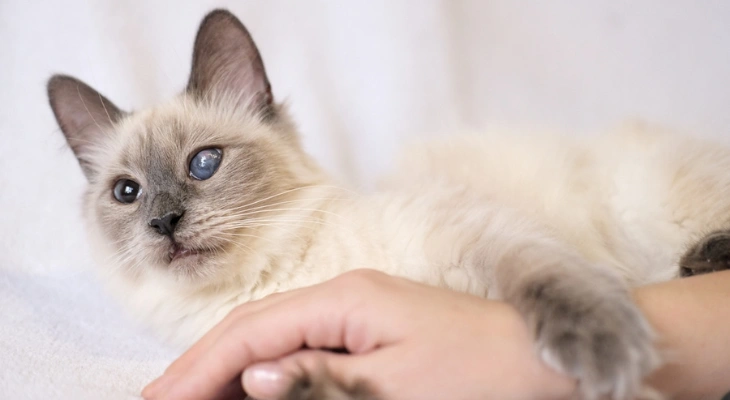
Could you find your way from the kitchen to bathroom wearing a pair of glasses smeared with grease? Unfortunately, the world can look this hazy to cats that have cataracts. Although cataracts are often associated with aging, this eye problem can also affect younger cats.

What Are Cataracts?

Cataracts occur when the clear lens inside your cat’s eye becomes cloudy. The lens focuses light rays on the retina, the part of the eye that converts the rays into electrical impulses. Impulses then travel to the brain for conversion to images. If the lens is cloudy, light doesn’t reach the retina uniformly, causing hazy or blurry vision.

Small cataracts may not affect your pet’s vision very much, while large cataracts can have a significant impact on your pet’s eyesight. Your veterinarian may use one of these classifications for your cat’s cataracts:

  • Incipient. The cataract only affects a small portion of the lens and doesn’t interfere with vision.
  • Immature. This type of cataract causes vision problems and covers 15 to 100% of the lens, according to All About Vision.
  • Mature. Mature cataracts make it difficult or impossible to see because the cataract affects the entire lens.
  • Hypermature. A hypermature cataract has started to shrink, due to the loss of water and protein.

Some cats are born with cataracts or have a genetic predisposition to develop them. Genetic cataracts are more likely to affect certain breeds, such as Himalayan, Persian, British Shorthair, and Birman cats, according to Cats.com.

What Are the Signs of Cataracts?

Due to cataract-related changes in vision, your cat may:

  • Bump Into Furniture and Other Objects
  • Eliminate Waste Next to or Near the Litterbox Instead of In It
  • Struggle to Locate Food and Water Bowls
  • Become More Cautious or Timid When Walking
  • Have Difficulty Climbing Stairs or Jumping on Objects
  • Seem Confused or Disoriented

Although cataracts often don’t have any obvious signs, your pet’s pupils might look cloudy or appear white or blue-gray instead of black in some cases.

What Causes Cataracts?

Just like people, cats are more likely to develop cataracts as they get older. Other cataract causes include:

  • An Eye Injury
  • Poor Nutrition
  • High Blood Pressure
  • Diabetes or Other Metabolic Diseases
  • An Eye Infection
  • Cancer

Uveitis, inflammation in the middle of the eye, is a common cause of cataracts in cats. Cats that have uveitis may blink or squint often. If you notice any of these signs in your cat, call the veterinarian immediately. Treating the inflammation as soon as possible will protect your pet’s vision and reduce it’s risk of developing cataracts.

How Are Cataracts Treated?

If inflammation or infection is to blame for your cat’s cataracts, the veterinarian will prescribe eye drops that decrease inflammation or kill the germs causing the infection. Prompt treatment of inflammation is important, as inflammation can be a factor in glaucoma. Glaucoma occurs when the pressure inside the eye is too high. High pressure can damage the optic nerve, the pathway between the brain and eye, and cause permanent vision loss. Although eye drops treat inflammation and infection, your cat will still have cataracts.

It’s important to treat other underlying diseases and conditions like cancer, high blood pressure, and diabetes. Treating the condition will improve your pet’s health, but won’t get rid of the cataracts.

No matter what the cause of your cat’s cataracts is, your veterinarian may recommend surgery if your pet is having trouble seeing. During cataract surgery, a veterinarian removes the cloudy lens and replaces it with an artificial lens. Surgery isn’t an option for all cats, as animals must be healthy enough to tolerate a surgical procedure. As part of the pre-surgery preparation, your veterinarian will order a blood test. The blood test can detect kidney disease and other diseases and conditions that may affect your pet’s health.

Surgery isn’t always needed for cataracts. If the cataract doesn’t affect your pet’s eyesight, your veterinarian may suggest watching and waiting. Should the cataract grow larger, surgery may be the best option at that point.

Are you worried that your cat may have cataracts? A trip to the veterinarian can help you determine why your pet’s behavior has changed. Contact our office to schedule your furry friend’s appointment.

Sources:

All About Vision: Cat Cataracts: Causes, Symptoms, Treatment and Prevention, 10/13/2021

https://www.allaboutvision.com/resources/human-interest/cataracts-in-cats

Cats.com: Cataracts in Cats: Causes, Symptoms & Treatments, 4/17/2023

https://cats.com/cataracts-in-cats

Cornell University College of Veterinary Medicine: Feline Cataracts

https://www.vet.cornell.edu/departments-centers-and-institutes/cornell-feline-health-center/health-information/feline-health-topics/feline-cataracts

PetMD: Cataracts in Cats, 5/19/2023

https://www.petmd.com/cat/conditions/eyes/cataracts-cats

Categories

Choosing Your Pet
  • Cats
  • Dogs
  • Exotics
  • Finding Your Pet
  • Livestock
  • Small Mammals
Client Survey
Living With Your Pet
  • Bringing Your Pet Home
  • Children and Pets
  • Providing Care
  • Saying Goodbye
  • Travel
Newsletter Library
  • Behavior & Training
  • Cats
  • Equine
  • Fleas & Parasites
  • Keeping Pets Healthy
  • Newsletter Archive
  • Nutrition & Food
  • Pet Dangers
  • Recognizing Illness
  • Seasonal Topics
  • Tips for Pet Owners
  • Visiting the Vet
Pet Health
  • Chronic Conditions
  • Digestive and Oral Health
  • Diseases and Viruses
  • Orthopedics
  • Pests and Parasites
Pets4Kids
Today's Veterinarian
Video Newsroom
  • Health Topics
  • Other Interests
  • Technology and Science

Where Every Pet Is Welcomed and Cared for like Family

402-397-2424
Book Online

Reviews


Trusted by Pet Parents Like You

Quote Icon
I came here after having a not so great experience at my cat’s previous vet and was amazed by how nice and caring Dr. Natalie is. I love that she sat on the floor when she was in the room with us because it definitely makes things feel less intimidating. I felt comfortable having her see my cat and knew that she would take good care of him. I love her personality and all the suggestions she gave me to my questions and concerns. The pricing here is also very reasonable. Overall, would recommend to a friend!

Jennifer D.

Quote Icon
They are always so compassionate and clearly care about my animals but they are also understanding of financial constraints. They don't offer payment plans or anything but they do their best not to go crazy with stuff without discussing the cost which I really appreciate. Every doctor and tech is so kind and makes me feel like they are doing all they can to help my pets live full and happy lives.

Leslie S.

Quote Icon
We have a new rescue (first appointment) that is very scared of new people based on her history before being rescued. They made it the top priority to make her feel welcome and comfortable before ever checking her out. They sat on the floor with her and gave her pets and treats first. It made the appointment very easy for her and I.

Adam R.

Quote Icon
My blue heeler needed staples due to altercation with my other dog. Nurse was super friendly with our pet and us. Doctor was good and care was fast. Buisness was clean and inviting. Follow up phone calls were same day regarding pill questions. Great experience. Charge was very affordable. Going back in a week for staple removal.

Mama T.

Quote Icon
We saw Dr Ramm for many years and he was hands down the best Vet I have ever had. House visits for established patients, always available for questions. Very knowledgeable and kind towards our animals and us. If we could have taken him to Florida with when we moved, Florida would be a better place. We miss having him as our vet so much.

Davin C.

Read More Reviews

Testimonials

Office Front Gate

Contact Info

2814 S 107th Ave, Omaha, NE 68124

402-397-2424

Rockbrook Animal Clinic Logo

Office Hours

Mon–Thu: 8:00 AM – 6:00 PM
Fri: 8:00 AM – 5:00 PM
Sat: 8:00 AM – 1:00 PM
Sun: Closed
© 2026 Rockbrook Animal Clinic. All Rights Reserved. | Privacy Policy | Terms of Use | Accessibility | Sitemap
Rockbrook Animal Clinic Logo
  • About
    • ← Back
    • Meet Our Doctors
      • ← Back
      • Dr. Martin Ramm
      • Dr. Matt Vipond
      • Dr. Amanda Valadez
      • Dr. Jessica Ramm
      • Dr. Natalie Allen
    • Meet Our Team
    • What to Expect
    • Reviews
    • Blog
  • Services
    • ← Back
    • Wellness Care
    • Vaccinations
    • Puppy & Kitten Care
    • Diagnostic Care
    • Dental Care
    • Spay & Neuter
    • Pet Surgery
    • Pain Management
    • Laser Therapy
    • Senior Pet Care
    • Stem Cell Therapy
    • Urgent Care
  • Resources
    • ← Back
    • New Client Info
      • ← Back
      • New Client Form
    • Payment Options
    • Online Pet Pharmacy
    • FAQs
  • Contact

402-397-2424

2814 S 107th Ave, Omaha, NE 68124

Book Online
Pet Portal