2814 S 107th Ave, Omaha, NE 68124


Does Your Dog Suffer From Anxiety?
Created in Newsletter Library, Behavior & Training
When life gets to be too much to handle, it helps to have a safe place to hide. Create a haven for your dog in a room in your home. Put a few toys and comfortable bedding in the room, and make sure it is always accessible. Add one of your unlaundered shirts. Your dog may take comfort in snuggling
Learn More
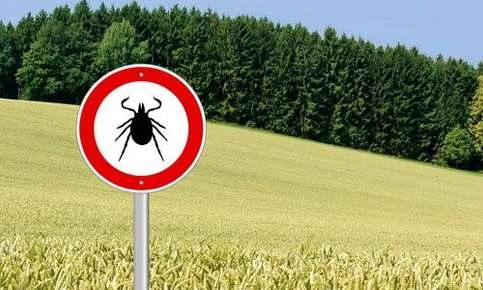
Ehrlichiosis: What You Should Be Looking For
Created in Newsletter Library, Fleas & Parasites
Ehrlichiosis: What You Should Know Lyme disease isn’t the only tick-borne illness that can sicken your pet. Erlichiosis may also make your furry friend miserable. Fortunately, antibiotic treatment can kill the bacteria responsible for the illness. What is Ehrlichiosis? Your dog may develop canine monocytic ehrlichiosis if it’s bitten by a brown tick carrying the ehrlichia canis bacteria. The ticks
Learn More
Down & Dirty on Fleas
Created in Video Newsroom, Health Topics
Many of us enjoy snuggling close to our pets and despite misguided news reports detailing health risks, most of us will continue to do so. But, there is a risk of sleeping with pets and it has to do with diseases carried by our old enemy, the flea. So, what’s the best way to shut down this annual pest? Fleas
Learn More

Domestic Pigs
Created in Choosing Your Pet, Small Mammals | Small Mammals, Domesticated Animals
Pigs are great for families who want a relatively exotic but easy to care for a pet. Whether miniature, like a pot-bellied pig, or a full-sized animal, caring for a pig is similar to caring for a cat or dog. Health Domestic pigs need to see a veterinarian regularly for vaccinations and checkups. We recommend starting vaccinations between four and
Learn More
Dental Care For Pets
Created in Video Newsroom, Health Topics
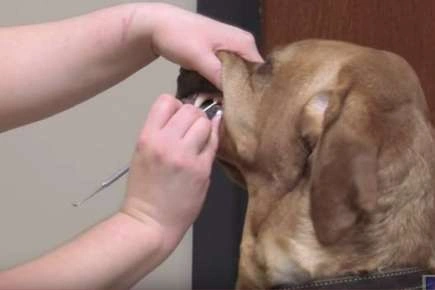
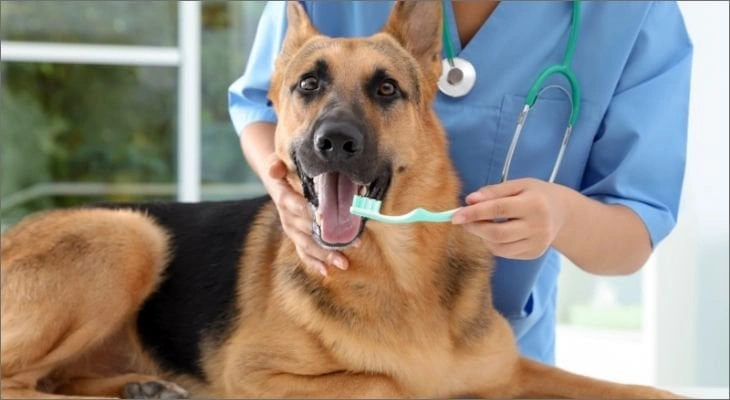
Dental care of dogs and cats is one of the most commonly overlooked areas of pet health care. Approximately 80% of all dogs and cats have periodontal disease by the time they are only two years old. Dental disease affects much more than fresh breath. It frequently leads to more serious health problems such as liver, kidney and heart disease.
Learn More
Does Your Cat Need a Bath?
Created in Newsletter Library
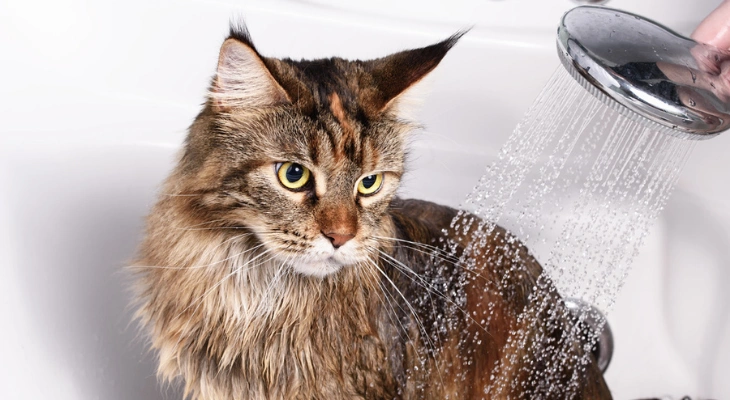
When Should You Bathe Your Cat? Bathing may be one of your favorite ways to relax, but chances are that your cat has a very different opinion. In fact, even a few drops of water may send your feline friend scurrying for safety under your bed. Despite your pet’s feelings about getting wet, should you ever bathe your cat? How
Learn More
Dentistry
Created in Pet Health, Digestive and Oral Health
Over 85% of dogs and cats have some type of periodontal disease. Periodontal disease simply means that the gums and bone that hold the teeth in place are being destroyed by oral bacteria. This preventable disease is the number one diagnosed disease in our pets, yet many animals suffer needlessly. Periodontal disease begins with gingivitis, or inflammation of the gum
Learn More

Creating A Pet Friendly Yard
Created in Newsletter Library, Tips for Pet Owners
Yards can be a shopping center or candy store for pets. Pets often find materials that will harm them. Sometimes objects are forgotten by good intentioned owners. Other times, pets make their own mischief. It is important to ensure that your yard is secure, well maintained, and free of debris, trash and toxic substances. Creating a pet friendly yard is
Learn More

Cooking for Your Pets
Created in Newsletter Library, Nutrition & Food
Read the back of a pet food bag and you will see a long lists of ingredients that features a variety of preservatives and fillers. While these ingredients may keep the food fresh, they are not always good for your pet. Luckily, you will find plenty of dog and cat food recipes on the Internet that will help you ensure
Learn More
Dangers of Rodent Bait
Created in Newsletter Library, Pet Dangers
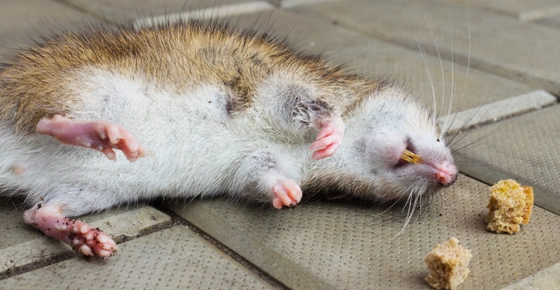
There are several general classifications of rodent poison (rodenticide) available over the counter. The most common is one that prevents blood clotting called an anticoagulant; D- con being the most easily recognized in light of the recent bans on second generation anticoagulant rodenticides. Anticoagulant rodenticides can come in many forms from liquid, to pellets, to blocks. They are made to
Learn More