2814 S 107th Ave, Omaha, NE 68124

What To Know About Bathing and Grooming Your Dog
Created in Newsletter Library, Tips for Pet Owners
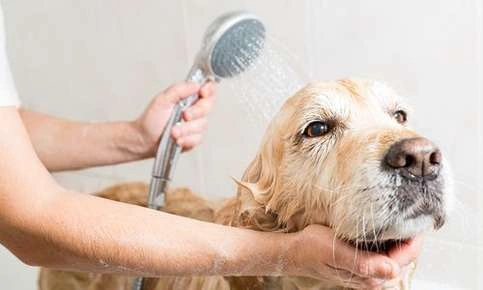
How Often Should I Groom and Bathe My Dog? If bathing your dog leaves you wetter than your pet, you may be wondering just how often you really need to wash your pet. Although most dogs don’t require daily baths, washing them periodically improves their appearance, reduces odors, and helps keep their skin healthy. When to Bathe Your Furry Friend
Learn More

Why Your Guinea Pig Needs Vitamin C But Your Dog Doesn’t
Created in Newsletter Library, Nutrition & Food
We all need to eat a complete and balanced diet. We feed our dogs and cats food developed by companies that study their nutritional needs, but if you study the list of ingredients, Vitamin C is not listed. When we prepare our own meals, we have to make sure we consume a source of Vitamin C such as orange juice.
Learn More

What to Do If Your Pet is Stung
Created in Newsletter Library, Tips for Pet Owners
Dogs and Bee Stings: What to Do If Your Pet is Stung Taking the time to stop and smell the roses (or any flowers) can lead to a painful experience for your dog if a bee happens to be hovering nearby. Although bee stings certainly aren’t comfortable, they usually don’t cause severe allergic reactions in dogs. If your pooch does
Learn More

Xylitol Poisoning in Dogs
Created in Newsletter Library, Pet Dangers
There are an increasing number of cases of dogs getting sick from ingesting a common sugar substitute, xylitol. This substance causes no problems in people, but in dogs it can cause wild fluctuations in blood sugar, often leading to a severe hypoglycemia. It can also cause liver failure. Xylitol is widely used as a sugar substitute since it is as
Learn More

What You Need to Know About Rabies
Created in Newsletter Library, Tips for Pet Owners
Rabies is deadly disease, but, luckily, outbreaks are not particularly common in the United States. In fact, 95 percent of deaths due to rabies occur in Africa and Asia, according to the World Health Organization. Although rabies might not be widespread in the U.S., the consequences can be severe if you are bitten by a rabid animal. A Dangerous Virus
Learn More
Xylitol Food Additive Harmful to Household Pets
Created in Newsletter Library, Pet Dangers
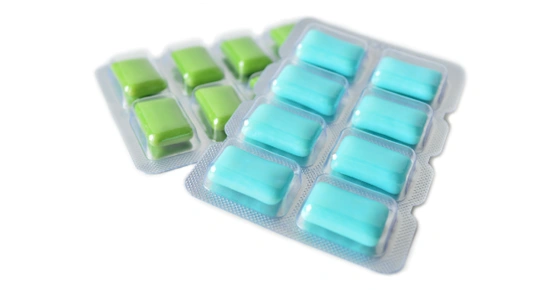
People love sweets and so do many dogs. In fact, some dogs love their family’s sweet treats and sneak bites of it when the humans aren’t looking. You or your children probably also share goodies with your family pet. Many sweets are made with the substance called xylitol. Xylitol is used to manufacture many sweet tasting products including: chocolates, cookies, cakes, ice creams, other baked
Learn More
What You Need to Know About Antibiotics
Created in Newsletter Library, Keeping Pets Healthy
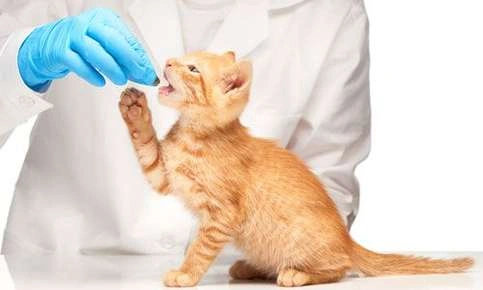
People and pets routinely died from infections before penicillin, the first antibiotic, was introduced in the first half of the 20th century. Today, veterinarians use antibiotics to treat many types of bacterial infections, including skin, respiratory and gastrointestinal infections. Although antibiotics can help your pet avoid serious illness or even death, they can lead to other problems if they’re not
Learn More

Your New Year’s Diet Could Be Deadly To Your Pet – Xylitol Toxicity In Dogs
Created in Newsletter Library, Seasonal Topics
Could Your New Year’s Diet Be Deadly for Your Pet? If you’re planning to lose weight in the new year, you’re not alone. In fact, “diet to lose weight” was one of the top five resolutions when Vitagene surveyed Americans about the content of their New Year’s resolutions. Replacing sugar with an artificial sweetener offers a simple way to cut
Learn More

Your Big Dog May Be More Likely to Develop These Health Problems
Created in Newsletter Library, Keeping Pets Healthy
Your Big Dog May Be More Likely to Develop These Health Problems Are you familiar with the health conditions common in big dogs? Your large breed dog may be at increased risk of developing one or more of these conditions. Hip and Elbow Dysplasia Hip and elbow dysplasia occur due to malformations in the hip or elbow joints. As a
Learn More
Why the Controversy About Pet Vaccinations?
Created in Newsletter Library, Visiting the Vet
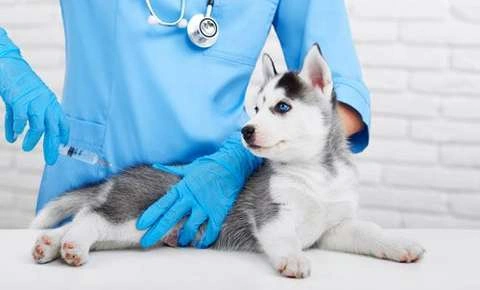
As with anything, pet vaccinations can be too much of a good thing. Similar to parents who are learning more about vaccinations for children, veterinarians and pet owners alike are beginning to question some of the standard wisdom when it comes to protecting pets. There are certain fatal diseases against which every pet should be protected, but the questions now
Learn More