2814 S 107th Ave, Omaha, NE 68124

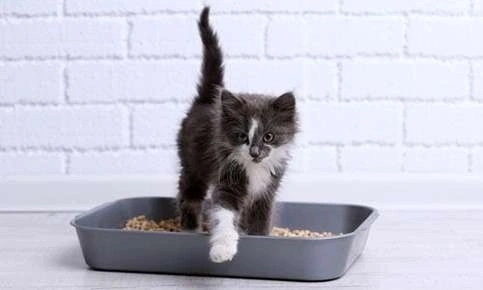
What Your Pet’s Stools Say About Their Health
Created in Newsletter Library, Keeping Pets Healthy
Do you favor the rapid swoop-and-bag approach to picking up your dog’s stools or scooping cat litter? Although most pet owners would rather not prolong contact with their pet’s feces, sneaking an occasional peak can provide valuable clues about your furry friend’s health and habits. Brown, Green or Yellow: What Stool Colors Mean Normal stools are brown, although stool color
Learn More

White House Pets
Created in Newsletter Archive, Unbelievable Pets
A surprising issue that has arisen in the American political arena is not foreign policy, but rather which breed of dog the Obama’s chose to join their family in the White House. Barack Obama has announced that his family narrowed their breed choices to a Labradoodle, a mix between a Labrador retriever and a Poodle, and a Portuguese water dog.
Learn More

Who’s Healthier: Purebreds or Mixed Breeds?
Created in Newsletter Library, Keeping Pets Healthy
For years, pet owners have disagreed about whether purebred or mixed breed dogs are healthier. Until recently, there was no scientific data to back up their opinions, but UC Davis researchers recently helped answer the question with a landmark health study. The Arguments Pet owners who thought that mixed breed dogs were healthier argued that inbreeding in purebred dogs increased
Learn More
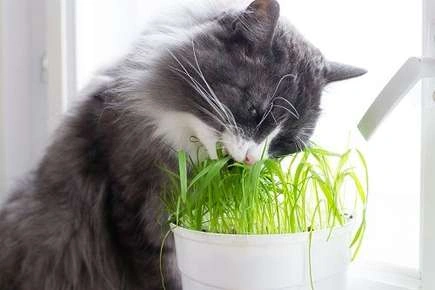
What to Do If Your Pet Eats Grass
Created in Newsletter Library, Recognizing Illness
Does your pet regard your lawn as the perfect place to snack? Eating grass may not seem very appetizing to you, but your pet doesn’t share your disdain. In fact, both dogs and cats enjoy eating a little grass from time to time. We’ll explore why pets eat grass and explain what you should do if you notice that your
Learn More
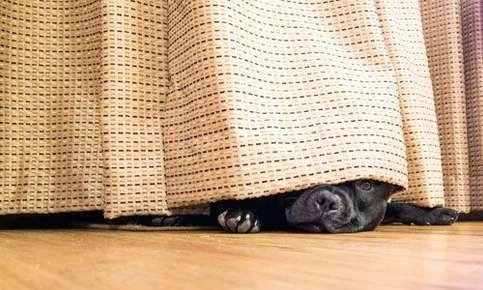
Why Do Pets Hide When They’re Sick?
Created in Newsletter Library, Recognizing Illness
Has it been awhile since you’ve seen your pet? Although your cat, dog or rabbit could just be enjoying a little nap in a quiet corner of the house, lengthy disappearances may occasionally be a sign of an illness. Familiarizing yourself with some of the more subtle symptoms your pet displays when he or she is sick can help you
Learn More

Why Heartworm Protection Is Necessary for All Pets
Created in Newsletter Library
Why Your Pet Needs Heartworm Protection One bite from a mosquito could put your pet’s health in jeopardy if it’s not protected against heartworm. Heartworms invade your pet’s heart, lungs and blood vessels and can kill your pet or cause serious, lifelong health issues. Fortunately, medication available from your veterinarian can help your pet avoid heartworm. How Heartworm Affects Pets
Learn More

Why is My Dog Vomiting?
Created in Newsletter Library, Recognizing Illness
Cleaning up vomit is a fact of life if you’re lucky enough to have a dog in your life. Although all dogs vomit from time to time, it’s important to distinguish between simple upset stomachs and more serious conditions that can cause vomiting. The Difference Between Regurgitation and Vomiting Some people use “regurgitation” and “vomiting” interchangeably, but the words don’t
Learn More
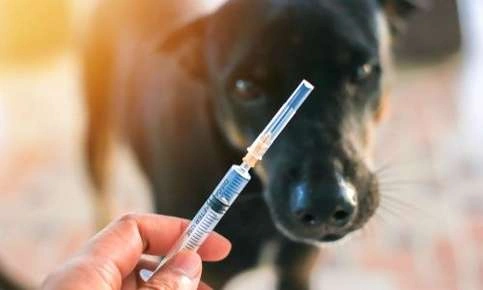
World Rabies Day
Created in Newsletter Library
World Rabies Day Is the Perfect Time to Vaccinate Your Pet Is your pet’s rabies vaccination current? The vaccine offers a simple, effective way to protect your pet from the deadly disease. Although the number of rabies cases in the U.S. has declined, thanks to the introduction of the vaccine, the disease hasn’t been completely eradicated and still remains a
Learn More
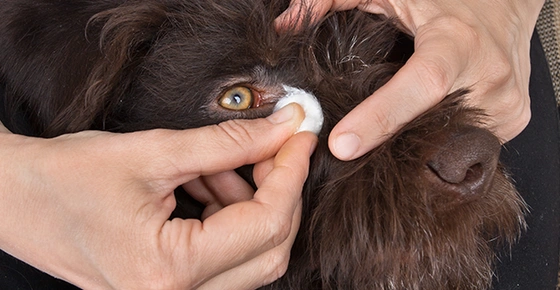
When Is a Goopy Eye a Problem?
Created in Newsletter Library, Recognizing Illness
Many dogs have thick eye discharge. Sometimes it is just in the morning; sometimes it has to do with a dog’s breed. Some breeds of dogs have eyes that sit differently in their skull, causing more discharge. And, sometimes, the goopy eye is a sign of a severe, chronic and painful condition called keratoconjunctivitis sicca (KCS). KCS is commonly called
Learn More
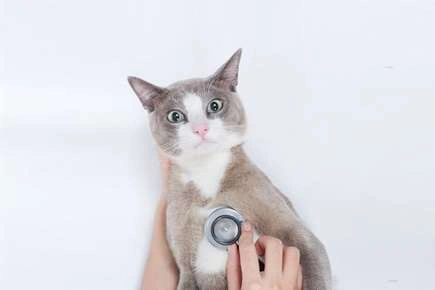
Two Common Diseases of Geriatric Cats
Created in Newsletter Library, Cats
Cats are living longer and longer. This is due to better medical care and the fact that more cats are living only indoors. These cats commonly live up to 15 to 18 years of age, with a few living into their twenties. The oldest cat on record lived to be 38! The two most common diseases of the geriatric cat
Learn More