2814 S 107th Ave, Omaha, NE 68124


Cooking for Your Pets
Created in Newsletter Library, Nutrition & Food
Read the back of a pet food bag and you will see a long lists of ingredients that features a variety of preservatives and fillers. While these ingredients may keep the food fresh, they are not always good for your pet. Luckily, you will find plenty of dog and cat food recipes on the Internet that will help you ensure
Learn More
Dangers of Rodent Bait
Created in Newsletter Library, Pet Dangers
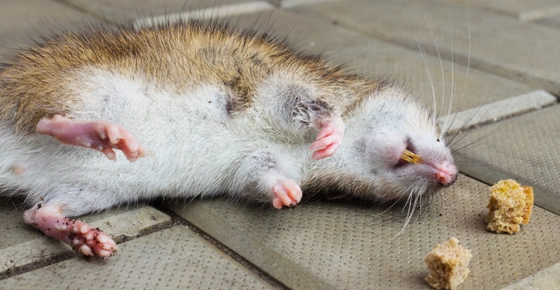
There are several general classifications of rodent poison (rodenticide) available over the counter. The most common is one that prevents blood clotting called an anticoagulant; D- con being the most easily recognized in light of the recent bans on second generation anticoagulant rodenticides. Anticoagulant rodenticides can come in many forms from liquid, to pellets, to blocks. They are made to
Learn More

December Newsletter: Signs Your Pet Needs a Professional Cleaning
Created in Newsletter Library
Signs Your Pet Needs Professional Teeth Cleaning Your pet can’t alert you when its gums feel sore or chewing crunchy treats hurts. Luckily, you can tell when it’s time for professional cleaning by checking your pet’s mouth and monitoring behavioral changes. Cleanings, recommended every year for most dogs and cats, improve breath odors and reduce your furry friend’s risk of
Learn More

December Newsletter: Simple Ways to Keep Your Home Flea-Free for Your Pet’s Well-being
Created in Newsletter Library
Simple Ways to Keep Your Home Flea-Free for Your Pet Fleas just may be the most determined natural enemies of your pet. Once the tiny bugs invade your home, it’s hard to get rid of them. Fortunately, you can eliminate the pests and keep them from returning by taking a few simple steps. Flea Control Basics Fleas enter your home
Learn More

Cat-Safe House Plants
Created in Newsletter Library
Which Plants Are Safe for Your Cat? Plants make the perfect snacks as far as many cats are concerned. Unfortunately, taking a bite of some common houseplants can make your pet very sick. Before your next visit to the garden center, take a look at our list of the safest house plants if you have cats. What Happens if My
Learn More

Cold Symptoms in Dogs
Created in Newsletter Library, Keeping Pets Healthy
Can My Dog Catch a Cold? Colds don’t just make people miserable. Dogs can also experience sneezing, coughing, congestion, and other common cold symptoms. What Are the Symptoms of Colds in Dogs? You’re probably already familiar with the symptoms of colds in dogs, as they’re pretty much identical to the ones you experience. In addition to sneezing, coughing and nasal
Learn More
Chronic Pain in Pets
Created in Newsletter Library, Recognizing Illness
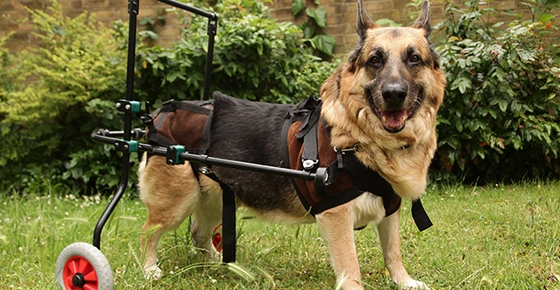
It’s hard to see your pet in pain day after day, particularly if your formerly energetic friend has now become lethargic and withdrawn due to a health condition or disease. Unfortunately, pets suffer from chronic pain just like people do. Learning about types of chronic pain and treatments can help you keep your pet more comfortable. Causes of Chronic Pain
Learn More

Cold Weather Pet Safety
Created in Newsletter Library, Seasonal Topics
How to Protect Your Pet When the Weather Turns Cold Cold weather can be dangerous for your pet’s health, causing ailments ranging from skin irritations to frostbite. These six tips will help you keep your pet safe and comfortable no matter how low the temperature drops. 1. Use Pet-Safe Antifreeze Antifreeze may not look very appetizing to you, but animals
Learn More

Cat Food Labels: What Nutritional Facts and Ingredients to Look For
Created in Newsletter Library
Reading Cat Food Labels: What Nutrients Does Your Cat Need? Product labels provide the information you need to decide if a particular food is a good choice for your feline friend, but they can be a little difficult to decipher. Here’s what you need to know about cat food labels. Understanding the Information on the Label Before you take a
Learn More
Canine Hip Dysplasia: Causes & Treatment
Created in Newsletter Library, Recognizing Illness
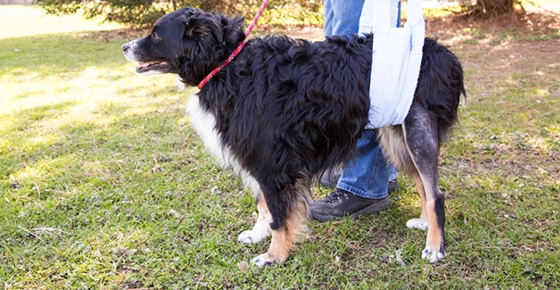
Canine hip dysplasia is the abnormal formation of the hip joint and one of the leading causes of rear leg lameness in dogs. Hip dysplasia is most prevalent in larger breed dogs, especially German Shepherds, Golden Retrievers, Labradors, Saint Bernards and Rottweilers. On the other hand, hip dysplasia is uncommon in the Doberman, Great Dane, and Greyhound. The condition can
Learn More