2814 S 107th Ave, Omaha, NE 68124


Bloat in Dogs
Created in Newsletter Library, Recognizing Illness
Although it’s name may sound harmless, bloat is a life-threatening emergency for dogs. The condition, formally called gastric dilation-volvulus (GDV), can quickly kill dogs if they don’t receive prompt treatment. What Is Bloat? Bloat occurs when your pet’s stomach fills with air. In many cases, the stomach then twists, cutting off its blood supply. The condition prevents blood from flowing
Learn More
Canine Lyme Disease
Created in Newsletter Library, Recognizing Illness
There are several options for protecting dogs against canine Lyme disease. One option is vaccination, which may be the best choice for pets who live in an endemic area. Annual vaccination is an affordable means of protecting pets against this disease, which can have serious health implications. Some dogs that are affected by canine Lyme disease are never fully “free”
Learn More

Beware of Ticks this Fall
Created in Newsletter Library
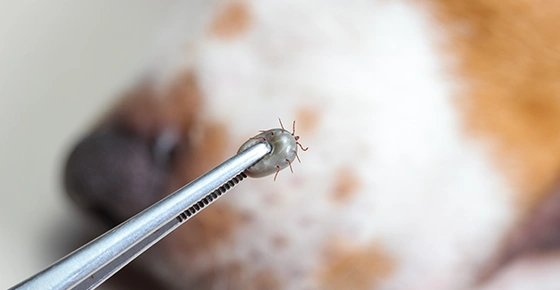
Beware of Ticks This Fall Does your dog or cat enjoy exploring the fields and forests near your home? These areas are prime habitats for ticks, small parasites that survive by drinking a host’s blood. Ticks spread a variety of diseases, including Lyme disease and Rocky Mountain spotted fever. During the fall, ticks become more active, which increases your pet’s
Learn More
Canine Juvenile Orthopedic Diseases
Created in Newsletter Library, Recognizing Illness
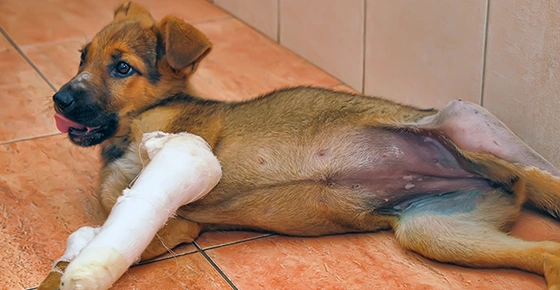
Puppies are happy and full of energy, running, wrestling, and playing so much that we often wish we had that much energy! But when that puppy is not happy, when it is lethargic and limping, then a visit to the veterinarian is in order. There are several orthopedic diseases that affect young dogs. Osteochondrosis (OCD) is one of the more
Learn More

Cat Food Labels: What Nutritional Facts and Ingredients to Look For
Created in Newsletter Library
Reading Cat Food Labels: What Nutrients Does Your Cat Need? Product labels provide the information you need to decide if a particular food is a good choice for your feline friend, but they can be a little difficult to decipher. Here’s what you need to know about cat food labels. Understanding the Information on the Label Before you take a
Learn More

Canine Hip Dysplasia: Causes & Treatment
Created in Newsletter Library, Recognizing Illness
Canine hip dysplasia is the abnormal formation of the hip joint and one of the leading causes of rear leg lameness in dogs. Hip dysplasia is most prevalent in larger breed dogs, especially German Shepherds, Golden Retrievers, Labradors, Saint Bernards and Rottweilers. On the other hand, hip dysplasia is uncommon in the Doberman, Great Dane, and Greyhound. The condition can
Learn More

Can Pets Get Food Poisoning?
Created in Newsletter Library
The Causes and Symptoms of Food Poisoning in Pets Wondering why your pet has suddenly starting vomiting or experiencing diarrhea? Food poisoning could be the reason. Just like people, pets can be sickened by the food they eat. What Causes Food Poisoning in Pets? Have you caught your pet rooting through the trash for a tasty morsel? Eating spoiled or
Learn More

Cancer in Pocket Pets
Created in Newsletter Library, Recognizing Illness
A tumor (also known as neoplasm) is an abnormal growth of cells; this growth may be either benign or malignant. Benign tumors do not spread throughout the body and often have a limited impact on a pet’s overall health. Malignant tumors can develop in one location, such as a hormone-producing gland, and then spread to other body parts. Treatment and
Learn More

Best Pet Costumes
Created in Newsletter Library
Finding the Best Halloween Costume for Your Pet Halloween isn’t just for people anymore. Pets are joining the fun as well with costumes made just for them. Although pet costumes are certainly cute, dressing up might not be the right choice for every pet. Before you go costume shopping, you’ll want to consider these factors. Your Pet’s Personality Some pets
Learn More
Captive Reptiles May Have Nutritional Deficiency
Created in Newsletter Library, Nutrition & Food
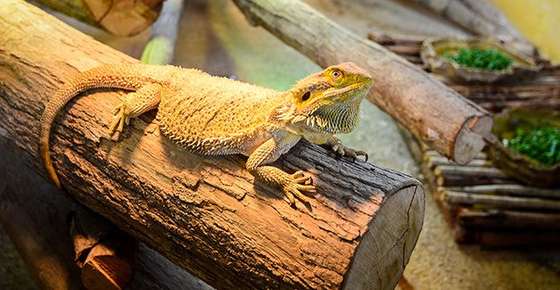
Pet owners keeping reptiles in captivity as household pets may sometimes find that their pets have a nutritional deficiency. Metabolic bone disease is “the most common nutritional deficiency affecting captive reptiles,” advises veterinarian Fredrick L. Frye in Reptile Care: An Atlas of Diseases and Treatments. Dr. Frye suggests that the disease is a result of dietary intake creating an excessive amount
Learn More