2814 S 107th Ave, Omaha, NE 68124


Can My Pet Get Depressed?
Created in Newsletter Library, Recognizing Illness
Unlike humans, most pets seem to be in perpetually good moods. They’re ecstatic when you arrive home from work, are always ready to play and enjoy keeping you company whether you’re cooking dinner or cleaning the garage. When your pet seems sad and is no longer interested in the little things that used to make him or her happy, it’s
Learn More

Bloat in Dogs
Created in Newsletter Library, Recognizing Illness
Although it’s name may sound harmless, bloat is a life-threatening emergency for dogs. The condition, formally called gastric dilation-volvulus (GDV), can quickly kill dogs if they don’t receive prompt treatment. What Is Bloat? Bloat occurs when your pet’s stomach fills with air. In many cases, the stomach then twists, cutting off its blood supply. The condition prevents blood from flowing
Learn More
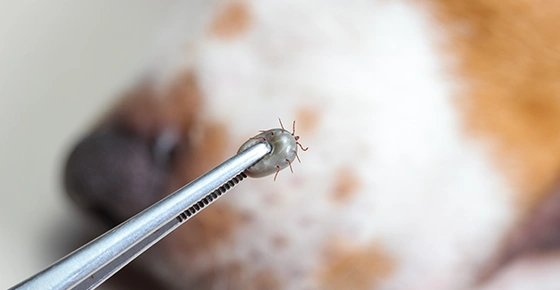
Canine Lyme Disease
Created in Newsletter Library, Recognizing Illness
There are several options for protecting dogs against canine Lyme disease. One option is vaccination, which may be the best choice for pets who live in an endemic area. Annual vaccination is an affordable means of protecting pets against this disease, which can have serious health implications. Some dogs that are affected by canine Lyme disease are never fully “free”
Learn More

Beware of Ticks this Fall
Created in Newsletter Library
Beware of Ticks This Fall Does your dog or cat enjoy exploring the fields and forests near your home? These areas are prime habitats for ticks, small parasites that survive by drinking a host’s blood. Ticks spread a variety of diseases, including Lyme disease and Rocky Mountain spotted fever. During the fall, ticks become more active, which increases your pet’s
Learn More
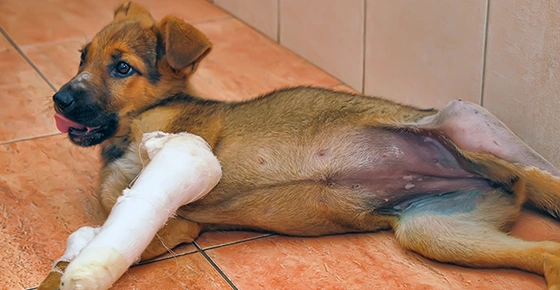
Canine Juvenile Orthopedic Diseases
Created in Newsletter Library, Recognizing Illness
Puppies are happy and full of energy, running, wrestling, and playing so much that we often wish we had that much energy! But when that puppy is not happy, when it is lethargic and limping, then a visit to the veterinarian is in order. There are several orthopedic diseases that affect young dogs. Osteochondrosis (OCD) is one of the more
Learn More

August Newsletter: When Should You Start Dental Care for Your Pet?
Created in Newsletter Library
When Should You Start Dental Care for Your Pet? Dental care is just as important for pets as it is for people. Gum disease, broken teeth and other dental issues can be painful and affect your pet’s health and comfort. Providing regular dental care can help your furry friend avoid common dental problems. Dental Care Timeline Recommendations Tooth brushing can
Learn More

Are You Leaving Your Pet Alone?
Created in Newsletter Library, Tips for Pet Owners
Many of us can’t stay home with our pets all day long, but that doesn’t mean you can’t have a happy dog or cat. As with children, quality can help make up for lack of quantity, according to animal behaviorist and CALLING ALL PETS host Patricia “Trisha” McConnell. “What’s really important is what happens before you leave the house and
Learn More

August Newsletter: How Your Veterinarian Can Help with Pet Eye Infections
Created in Newsletter Library
How Your Veterinarian Can Help with Pet Eye Infections Eye infections cause irritation and pain and could threaten your pet’s vision. The infections can affect all pets, including dogs, cats, rabbits, ferrets, hamsters, gerbils, and guinea pigs. Recognizing the signs of eye infections will help you ensure your pet receives the care it needs. What Causes Eye Infections in Pets?
Learn More

Adopting a Pet Is Just the Beginning
Created in Newsletter Library, Tips for Pet Owners
Adopting a pet brings great joy and excitement to individuals and families, but it also introduces new responsibilities and concerns. Your new family member deserves the same health and safety considerations you would want for the people in your life. Pet Proofing Before you even bring your new dog or cat home with you, take steps to “pet-proof” your home.
Learn More

April Newsletter: Signs of a Pet Emergency and What to Do
Created in Newsletter Library
Are You Prepared to Handle a Pet Health Emergency? Would you know what to do if your pet experienced a sudden emergency? When minutes count, recognizing the signs of an emergency could save your pet’s life. Take a look at a few signs that may mean your pet needs first aid treatment. Bleeding A bleeding wound requires immediate care to
Learn More