2814 S 107th Ave, Omaha, NE 68124

Parasites
Created in Pet Health, Pests and Parasites
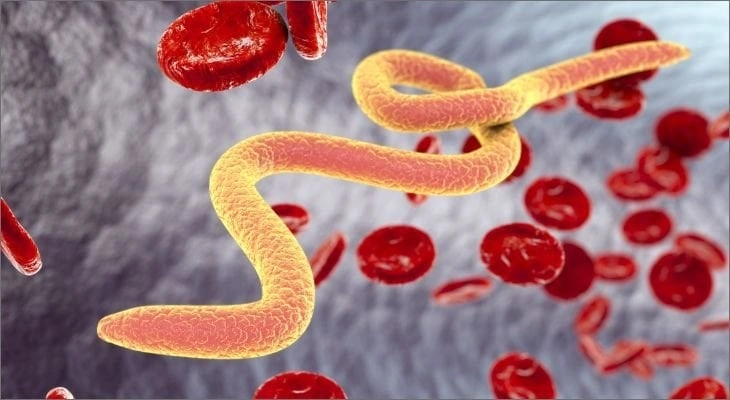
There are many types of parasites that are found in the GI tract of cats and dogs. Worms such as roundworms, whipworms, and hookworms are very common in almost all parts of the world. These parasites shed their infective eggs in the pet’s stool and contaminate the environment; some eggs can live on yards or fields for years. The eggs
Learn More
Mites
Created in Pet Health, Pests and Parasites
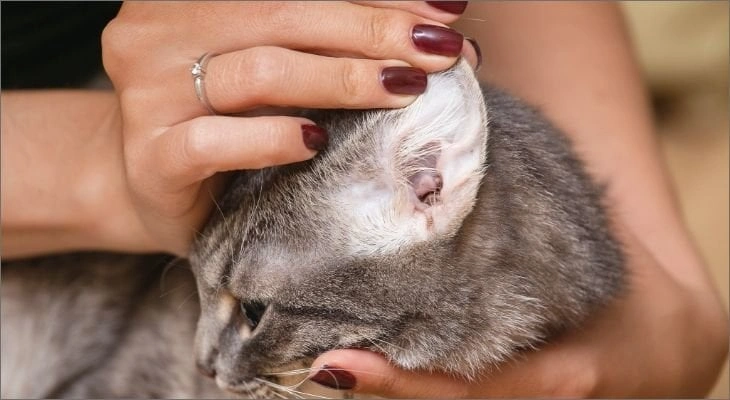
There are many types of mites that infect dogs, cats, and other animals. Mites are microscopic arthropod parasites that, for the most part, infect the skin or mucous membranes. Mites can even be present on birds and reptiles. The most common mites that infect dogs and cats are ear mites, Demodex, scabies, and Cheyletiella. Ear mites are very common on
Learn More
Luxating Patella
Created in Pet Health, Orthopedics
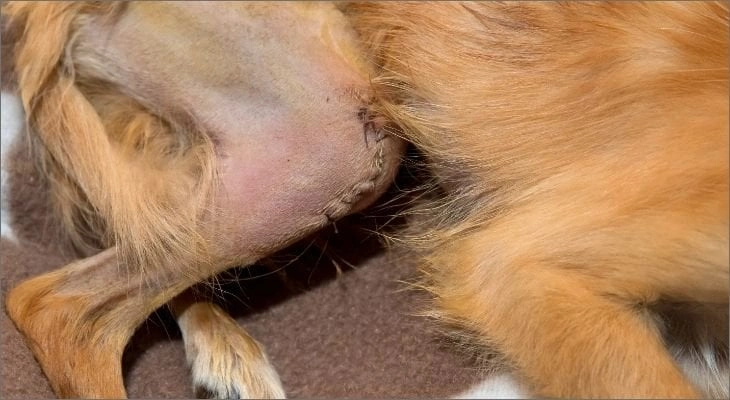
Luxating patella is a condition where the kneecap (patella) moves out of its normal position. Luxating patella is one of the most common knee joint abnormalities of dogs, but it is only occasionally seen in cats. It may affect one or both of the knees. In some cases it moves (luxates) towards the inside of the knee, and in other
Learn More

Liver Shunt
Created in Pet Health, Chronic Conditions
A liver shunt is also named a PSS, portosystemic shunt, portacaval shunt or portosystemic vascular anomaly. This abnormality occurs when a pet’s venous blood from the intestine bypasses the liver. In the normal pet, blood vessels pick up nutrients from ingested material in the intestine and carry it to the liver to be processed. In the case of a shunt, an abnormal
Learn More
Leptospirosis
Created in Pet Health, Diseases and Viruses
Leptospirosis is a serious, life-threatening disease caused by a spiral shaped bacteria. Dogs, cats, other animals and even people can be infected through exposure to urine, bite wounds, ingestion of infected flesh, or contact with contaminated soil, water and even bedding. Certain environmental conditions can favor the bacteria: standing water, rain, floods and warm moist weather. Pets living under these
Learn More

Hypothyroidism
Created in Pet Health, Chronic Conditions
Hypothyroidism is the natural deficiency of thyroid hormone and is the most common hormone imbalance of dogs. This deficiency is produced by several different mechanisms. The most common cause (at least 95% of cases) is immune destruction of the thyroid gland. It can also be caused by natural atrophy of the gland, by dietary iodine deficiency, neoplasia (primary or metastatic)
Learn More
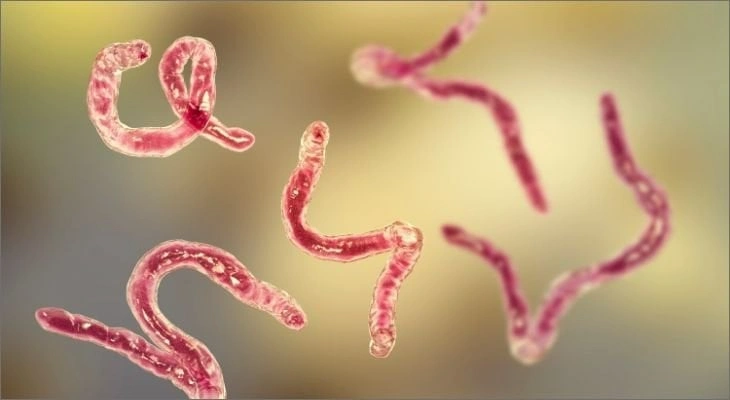
Hookworm
Created in Pet Health, Pests and Parasites
Hookworms are small, thread-like parasites of the small intestine where they attach and suck large amounts of blood. These parasites are found in almost all parts of the world, being common in dogs, and occasionally seen in cats. Symptoms are usually diarrhea and weight loss. The parasites can actually suck so much blood that they cause pale gums from anemia,
Learn More

Heartworm
Created in Pet Health, Pests and Parasites
Heartworm has been diagnosed in dogs in all parts of the world and is actually very common. This may be due to the fact that heartworm has a virtual 100% prevalence rate in unprotected dogs living in highly endemic areas. Heartworm, also known as Dirofilaria immitis, is transmitted by mosquitoes. The mosquito injects a microscopic larvae which grows into an
Learn More
Hip Dysplasia
Created in Pet Health, Orthopedics
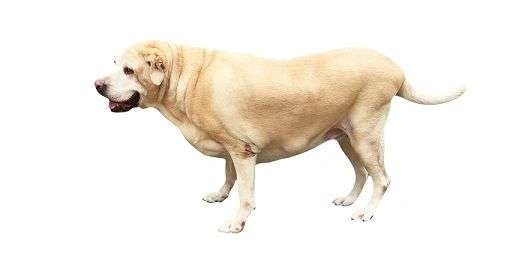
Hip dysplasia is a congenital disease that, in its more severe form, can eventually cause lameness and painful arthritis of the joints. It is caused by a combination of genetic and environmental factors. It can be found in many animals and, rarely, humans, but is common in many dog breeds, particularly the larger breeds. In the normal anatomy of the
Learn More
Feline Stomatitis: Treatments
Created in Pet Health, Digestive and Oral Health
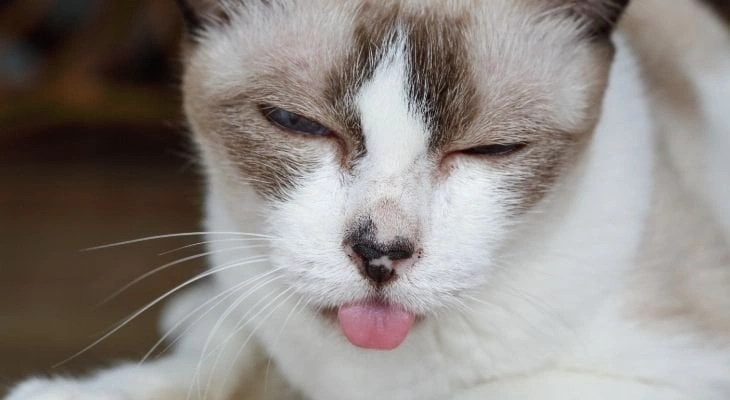
Cats rarely display their pain, but cats with feline stomatitis are often the exception. If your cat appears to have mouth pain, is reluctant to eat, doesn’t want to groom, is drooling, and doesn’t want you to open its mouth, it may be suffering from this debilitating, degenerative oral condition, and prompt treatment is a must. Stomatitis refers to an
Learn More