2814 S 107th Ave, Omaha, NE 68124


Gastric Dilation Volvulus (GDV)
Created in Pet Health, Digestive and Oral Health
Gastric Dilation Volvulus (GDV) is a life threatening, acute condition that requires immediate medical attention. Certain breeds are more prone to this condition: Boxers, Great Danes, Standard Poodles, Saint Bernards, Irish Setters, Dobermans, Weimaraners and Gordon Setters. These breeds are considered deep-chested (large chest and narrow waist) but any similarly shaped dog can be at risk. Diagnosis of GDV is
Learn More

Feline Leukemia Virus: What You Need to Know
Created in Pet Health, Diseases and Viruses
Feline leukemia (FeLV) is a virus that weakens your cat’s immune system. Unfortunately, when the immune system does not function properly, your cat may be more likely to develop other diseases, such as cancer and blood disorders. How Cats Contract Feline Leukemia Cats get feline leukemia from other cats. The virus is spread in saliva, urine, feces, nasal secretions and
Learn More

Feline Distemper
Created in Pet Health, Diseases and Viruses
Feline distemper or feline panleukopenia is a highly contagious viral disease of kittens and adult cats caused by the feline parvovirus. It is also called panleukopenia as it affects the bone marrow and causes low white blood cell counts. It is relatively common in unvaccinated cats and is often fatal, especially in young kittens. It has been referred to as
Learn More
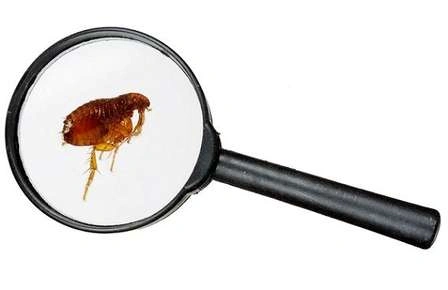
Fleas
Created in Pet Health, Pests and Parasites
A common parasite, fleas are found in almost every area of the world and can be found on dogs, cats, and many other mammals. They survive year to year even in cold climates because they live on pets, in buildings, and on wild animals. There are four stages to the flea life cycle. Eggs are laid by an adult female
Learn More

Diabetes Mellitus
Created in Pet Health, Chronic Conditions
Diabetes Mellitus (DM) is a life long disorder of dogs and cats that results when the pancreas fails to produce enough insulin to meet the animal’s needs. Insulin is a hormone needed to transport glucose (blood sugar) into the body’s cells. When there is a lack of insulin in the body, blood glucose rises to abnormally high levels. Over time,
Learn More
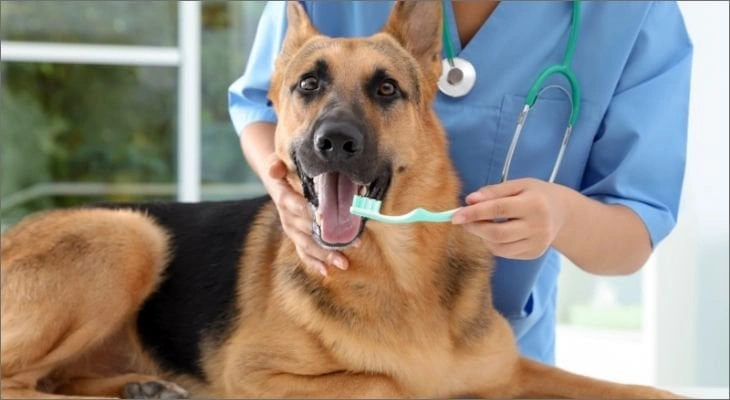
Dentistry
Created in Pet Health, Digestive and Oral Health
Over 85% of dogs and cats have some type of periodontal disease. Periodontal disease simply means that the gums and bone that hold the teeth in place are being destroyed by oral bacteria. This preventable disease is the number one diagnosed disease in our pets, yet many animals suffer needlessly. Periodontal disease begins with gingivitis, or inflammation of the gum
Learn More

Epilepsy
Created in Pet Health, Chronic Conditions
Epilepsy (often referred to as a seizure disorder) is a chronic neurological condition characterized by recurrent unprovoked seizures. It is commonly controlled with medication, although surgical methods are used as well. Epileptic seizures are classified both by their patterns of activity in the brain and their effects on behavior. In terms of their pattern of activity, seizures may be described
Learn More
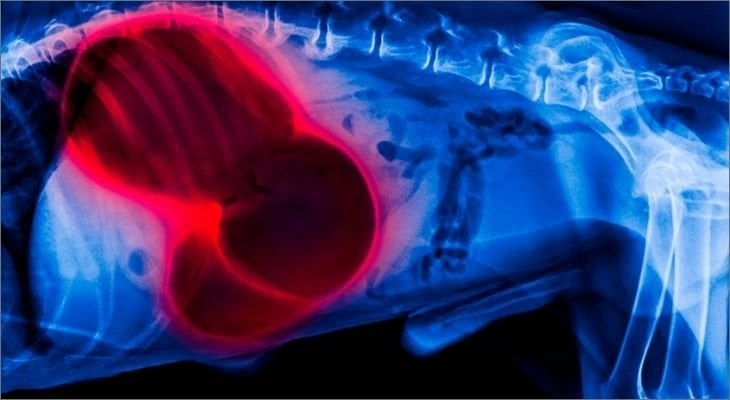
Bloat and Gastric Torsion
Created in Pet Health, Digestive and Oral Health
Bloat and gastric torsion is a serious condition and your pet should be rushed to the emergency room if this occurs. Certain breeds of dogs with deep chests and narrow waists, such as hounds, bouvier des Flandres, or doberman pinschers are more susceptible to a syndrome of gastric torsion and bloat. This occurs when the stomach twists on its supporting
Learn More

Canine Distemper
Created in Pet Health, Diseases and Viruses
Canine distemper is caused by a virus that is shed in bodily fluids of infected animals. The virus affects primarily the lungs, intestines, and nervous system. Symptoms of the infection can include coughing, diarrhea, vomiting, inappetance, dehydration, weight loss, seizures, and encephalitis. Secondary infections can present as discharge from the eyes and/or nose, and pneumonia. Puppies, especially those from shelters,
Learn More

Canine Parvovirus (CPV)
Created in Pet Health, Diseases and Viruses
The Parvovirus is known worldwide and causes disease in many different species of animals. Different strains of virus only infect certain types of animals. For example, the Canine Parvovirus (Parvo) will mainly infect dogs and does not cause disease in cats or humans. Feline Parvovirus, a different strain of virus, causes a different type of disease known as Feline Distemper.
Learn More