2814 S 107th Ave, Omaha, NE 68124

Staph Infections & Your Pet
Created in Newsletter Library, Recognizing Illness
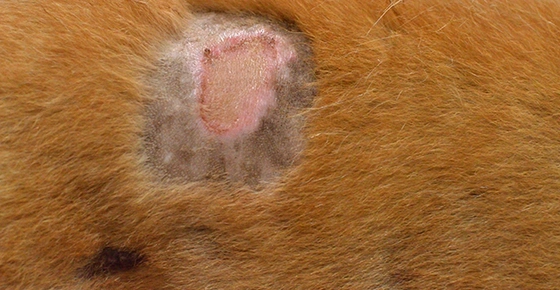
You may have heard of MRSA infections in people discussed in the media in this last year. Otherwise known as Staph or Methicillin Resistant Staphylococcus aureus, this type of bacteria is resistant to most antibiotics. People infected with this dangerous bacteria can become quite ill or even die if an effective antibiotic cannot be found. MRSA can also occur in
Learn More

Quick Facts About Cancer
Created in Newsletter Library, Recognizing Illness
Family pets are often described as our “best friends” and news that they are sick can be devastating. Cancer is a disease that can affect family pets like dogs and cats. Through the years, research has developed many cures and treatments for use in improving or sustaining the health of pets that present with a cancer diagnosis. Let’s look at
Learn More

Pets Can Show Warning Signs Before Cancer Diagnosis
Created in Newsletter Library, Recognizing Illness
Warning signs can be present in your family pet before the veterinarian makes an actual diagnosis. You’ll want to be alert and watch for warning signs as preventative measures, and at the same time provide your pet with the best nutrition, exercise program and lifestyle possible for his or her activity levels and overall health. “Cancer is an incredibly challenging
Learn More

Pet Vomit – You Just Received a Message!
Created in Newsletter Library, Recognizing Illness
Animals may vomit when something irritates, inflames or causes an infection in their intestinal tract. The location of the irritation, inflammation or infection may also determine the color of your pet’s vomit and the reason for the upchucking. Many things can irritate, inflame or infect an animal’s intestinal tract. Look around your home. There are toys, plants, foods, sharp objects,
Learn More

Managing Your Pet’s Diabetes
Created in Newsletter Library, Recognizing Illness
“Heart conditions can be inherited in dogs as they are in people. Dogs can also be victims of cancer, tick-borne diseases, autoimmune conditions, arthritis, liver, or kidney disease, thyroid disease, irritable bowel syndrome, and even diabetes,” indicates Norma Bennett Woolf, editor of Dog Owner’s Guide: Canine Diabetes. Your pet could be at risk for diabetes and in need of medical attention
Learn More

Nothing Heartwarming about Heartworm
Created in Newsletter Library, Recognizing Illness
Heartworm is a long, string-like parasitic worm that has the scientific name Dirofilaria immitis. It earns its common name by living in the host’s heart, lungs, and blood vessels. Heartworm can cause severe lung disease, heart failure, organ damage, and death. It is transmitted only through mosquitoes to a variety of species including dogs, cats, ferrets, wolves, foxes, ferrets, sea lions,
Learn More

Matters of the Heart
Created in Newsletter Library, Recognizing Illness
Many diseases of people also occur in pets. A problem that is common in people, dogs, and cats is heart disease. While these disorders have some things in common, many ailments of the heart in pets are completely different than what occurs in people. Recent surveys have shown that 11% of all dogs have heart disease, and up to 20%
Learn More

Lyme Disease & Your Pets
Created in Newsletter Library, Recognizing Illness
How to Prevent and Remove Ticks Lyme disease is a top concern for dog owners who enjoy walking with their dog in grassy and wooded areas. Transmitted by deer ticks, Lyme disease can result in fever, joint lameness, fatigue, and general discomfort for your pet. While treatment is available, Lyme disease is best prevented. Here is how to prevent Lyme
Learn More

Is Your Pet In Pain?
Created in Newsletter Library, Recognizing Illness
There are signs to look for when your pet is experiencing pain. Together you and your veterinarian can identify and help your pet with pain that may be present. The issue of pain in animals is so critical that the American Animal Hospital Association (AAHA) teamed up with the American Association of Feline Practitioners (AAFP) to develop guidelines and recommendations
Learn More

Is My Dog Sick?
Created in Newsletter Library, Recognizing Illness
Identifying the signs of sickness in a dog can be challenging, even for the most vigilant pet owners. Since a sick dog is unable to verbally communicate what hurts, pet owners must pay close attention to identify the signs of illness. Subtle changes in behavior or appetite may be symptomatic of an underlying health problem. While dogs cannot verbally tell
Learn More