2814 S 107th Ave, Omaha, NE 68124

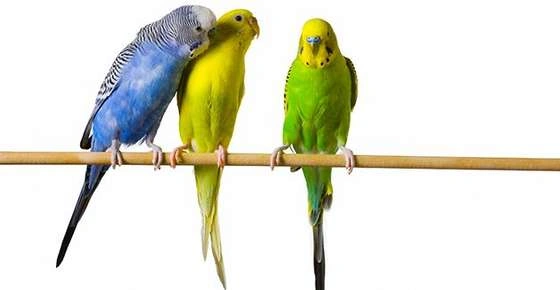
Budgies
Created in Choosing Your Pet, Exotics | Exotics, Birds
Budgies (budgerigars) are an extremely popular pet bird, and for good reason. These small parrots make delightful pets, and are usually friendly and easy to tame. While they can sometimes be difficult to understand, they are quite capable of mimicking speech. Budgies are sometimes also called parakeets (specifically shell parakeets) as they are members of the parakeet family. There are
Learn More

Camping with Pets
Created in Living With Your Pet, Travel
Camping with pets presents its own challenges. Skunks, raccoons, porcupines, snakes, and other wildlife can bite or otherwise injure your pet. Keep your pet within sight and on a leash. Be considerate of other campers. Be sure to ask your veterinarian about flea, tick and heartworm prevention.
Learn More

Canaries
Created in Exotics, Birds
The Canary species is called Serinus canaria and is actually a member of the finch family, native to the Canary Islands. The wild canary is greenish yellow over most of their body with yellow underparts. The domestic canary comes in an array of bright colors and can live up to 10 years. Male canaries sing better than females, although the
Learn More

Becoming a Service Dog: Training and Temperament Are Key Factors
Created in Newsletter Library, Behavior & Training
Service dogs help thousands of disabled Americans become more independent. The first service dogs guided visually impaired people, but today, the dogs assist people who have a variety of disabilities, ranging from hearing loss to seizures to cerebral palsy. Before a dog can become a service animal, it must complete an extensive training program that includes several components. Temperament Evaluation
Learn More
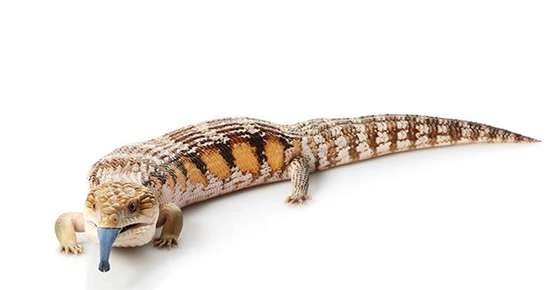
Blue Tongued Skinks
Created in Reptiles, Lizards
Blue tongued skinks are quite and gentle, and quite easily tamed and handled. It is reported that even wild blue tongued skinks will sometimes allow themselves to be picked up without a struggle. Popular as pets, blue tongued skinks or “skinks” are moderately sized lizards native to Australia. They live in a variety of habitats, including grasslands, forests, rainforests, and
Learn More

Beware of Ticks this Fall
Created in Newsletter Library
Beware of Ticks This Fall Does your dog or cat enjoy exploring the fields and forests near your home? These areas are prime habitats for ticks, small parasites that survive by drinking a host’s blood. Ticks spread a variety of diseases, including Lyme disease and Rocky Mountain spotted fever. During the fall, ticks become more active, which increases your pet’s
Learn More

Can PBDEs Harm Your Pet?
Created in Newsletter Library, Pet Dangers
The Environmental Protection Agency indicates that polybrominated diphenyl ethers (PBDEs) have a negative impact on your health and environment. These chemicals in your home environment may be causing harm to your pet without your knowledge. In the body, PBDEs are found in breast milk, blood and the blood of umbilical cords. These chemical compounds persist in the environment and accumulate
Learn More

Calcium is Not Always Good
Created in Newsletter Library, Pet Dangers
When examining a blood panel, a veterinarian may report to the owner that a pet has hypercalcemia, which is an elevated level of calcium in the blood. The owner often then wonders if there is too much calcium in the pet’s food or in the vitamins or supplements the pet is taking. Ingesting calcium in food or canine nutritional supplements
Learn More

Bringing a New Pet in the Home in the New Year
Created in Newsletter Library, Seasonal Topics
Will a Pet Be Joining Your Family in 2021? Are you bringing home a new dog, cat, or other pet soon? Choosing the ideal time to introduce your pet to your family and reviewing care basics will make your pet’s first weeks in your new home more enjoyable. Select the Perfect Time The holiday season can be a hectic time
Learn More

Caring for Your Older Pet
Created in Newsletter Library, Keeping Pets Healthy
Many of the same problems that affect people as they age, such as arthritis and diabetes, can also affect your pet. Making a few changes to the way you care for your furry friend will help you ensure that your pet stays healthy and happy as the years go by. Look for Common Signs of Illness Changes in your pet’s
Learn More