2814 S 107th Ave, Omaha, NE 68124


Calcium is Not Always Good
Created in Newsletter Library, Pet Dangers
When examining a blood panel, a veterinarian may report to the owner that a pet has hypercalcemia, which is an elevated level of calcium in the blood. The owner often then wonders if there is too much calcium in the pet’s food or in the vitamins or supplements the pet is taking. Ingesting calcium in food or canine nutritional supplements
Learn More

Bringing a New Pet in the Home in the New Year
Created in Newsletter Library, Seasonal Topics
Will a Pet Be Joining Your Family in 2021? Are you bringing home a new dog, cat, or other pet soon? Choosing the ideal time to introduce your pet to your family and reviewing care basics will make your pet’s first weeks in your new home more enjoyable. Select the Perfect Time The holiday season can be a hectic time
Learn More

Caring for Your Older Pet
Created in Newsletter Library, Keeping Pets Healthy
Many of the same problems that affect people as they age, such as arthritis and diabetes, can also affect your pet. Making a few changes to the way you care for your furry friend will help you ensure that your pet stays healthy and happy as the years go by. Look for Common Signs of Illness Changes in your pet’s
Learn More

Cat Food Labels: What Nutritional Facts and Ingredients to Look For
Created in Newsletter Library
Reading Cat Food Labels: What Nutrients Does Your Cat Need? Product labels provide the information you need to decide if a particular food is a good choice for your feline friend, but they can be a little difficult to decipher. Here’s what you need to know about cat food labels. Understanding the Information on the Label Before you take a
Learn More

Behavior and Training
Created in Small Mammals, Ferrets
Ferrets have powerful, distinct and engaging personalities, and a playful and fastidious nature. Ferrets are diurnal creatures with their periods of greatest activity just before sunrise and shortly after sunset. They sleep about eighteen to twenty hours of the day, waking up twice a day for very active periods of about two hours. Due to their very high metabolism, ferrets
Learn More

Avoiding Dog Bites
Created in Video Newsroom, Other Interests
Each year almost 5 million dog bites are reported across North America and it is a rare evening on the nightly news when a dog attack is not reported. Yet, according to the Bureau of Labor Statistics, veterinarians and their staff make up a very small percentage of those bites in spite of their obvious risk factors. What can we
Learn More

All About Hairballs
Created in Newsletter Library, Cats
Does your favorite feline leave you hairballs as gifts? If so, you’re not alone. Although we love cats for being meticulous groomers, it’s safe to say we don’t like finding hairy presents around the house. Let’s explore what causes hairballs and how to prevent them. What Causes a Hairball? Hairballs are clusters of fur, or hair, that your cat unintentionally
Learn More

April Newsletter: Tips on Keeping Your Cat Calm through the Night
Created in Newsletter Library
Tips to Keep Your Cat Calm During the Night If you live with a cat, you’ve probably been woken by the sound of thundering paws as your pet makes a mad dash through your home. Although the feline frenzy may be amusing when you’re awake, things are a little different when your pet knocks over a lamp as you’re trying
Learn More

April Newsletter: Signs Your Dog May Have Bloat
Created in Newsletter Library
Signs Your Dog May Have Bloat Every minute counts when your dog develops bloat. The condition affects dogs of any age and causes death just a few hours after symptoms start. Recognizing bloat symptoms and rushing your pet to the veterinarian can help your furry friend survive a bout of bloat. How Does Bloat Happen? Bloat occurs when excess air
Learn More
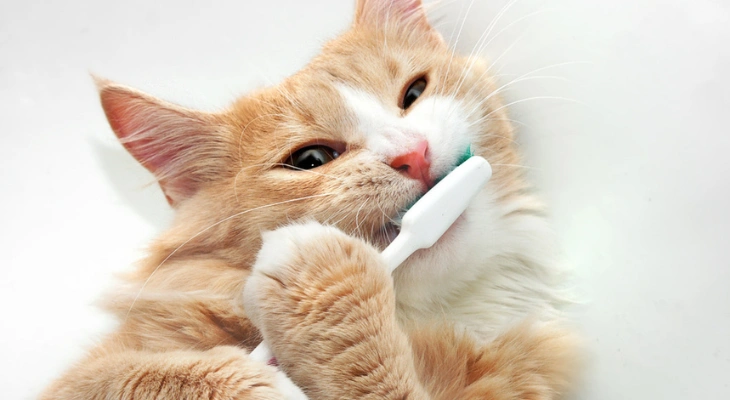
Bad Breath Can Indicate Your Pet Needs Dental Care
Created in Newsletter Library
Bad Breath May Mean Your Pet Has a Dental Problem Overwhelmed by your pet’s bad breath? If you flinch every time your pet nuzzles against your face, it may be time to make an appointment with the veterinarian. Stinky breath can be a sign of a tooth or gum problem that requires prompt dental care. Why Your Pet’s Breath Smells
Learn More