2814 S 107th Ave, Omaha, NE 68124

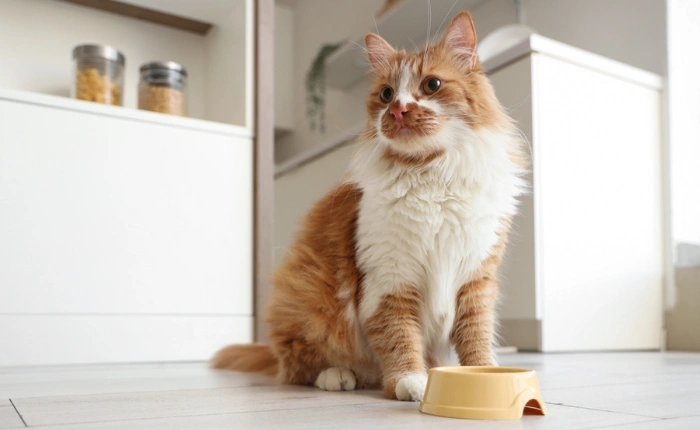
February Newsletter: How to Safely Change Your Cat’s Food
Created in Newsletter Library
How to Safely Change Your Cat’s Food Whether your cat’s favorite food has been discontinued or your veterinarian has recommended a prescription diet, changing food takes time. Following these steps will help your pet adjust to the taste and texture of the new food and avoid digestive issues. Reasons to Change Your Cat’s Food Changes may be needed if: Why
Learn More

Fleas, the Frustrating Pest
Created in Newsletter Library, Fleas & Parasites
Consider the following scenario: You arrive home from a long flight from a wonderful, two-week vacation. As you drive home, you remind yourself the boarding kennel is already closed and you have to wait until tomorrow to pick up your dog, Max. You finally walk in the front door, happy to be home. As you walk across the carpet you
Learn More
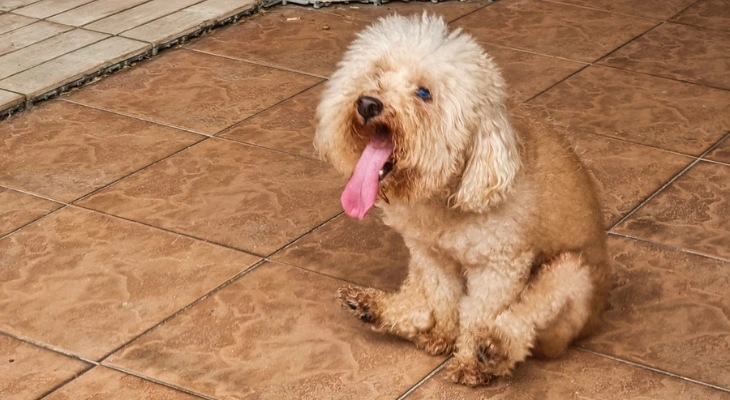
February Newsletter: The Importance of Deworming for Your Pet
Created in Newsletter Library
The Importance of Deworming for Your Pet Your pet’s body is the ideal place to call home as far as worms are concerned. Unfortunately, worms cause a range of health problems that can make your pet sick and uncomfortable. Deworming medication offers a simple way to protect your pet’s health and prevent a worm invasion. How Worms Affect Your Pet’s
Learn More
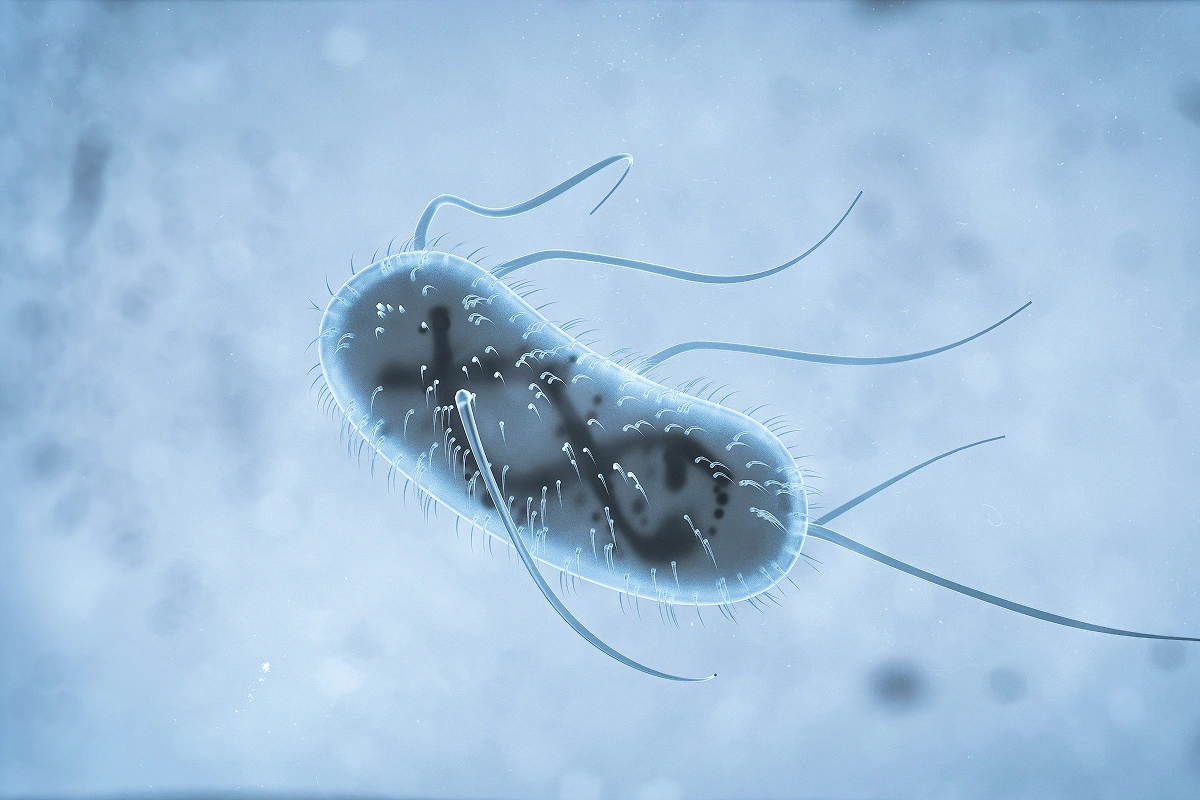
Giardia: A Parasite of Many Species
Created in Newsletter Library, Fleas & Parasites
If you have a friend who camps or fishes, you may have heard that they had been infected with Giardia. Or your veterinarian may have told you that your cat or dog had Giardia. In either case, you probably wondered, can I catch it as well? Giardia is a protozoan parasite (one-celled organism) that can infect a variety of species,
Learn More
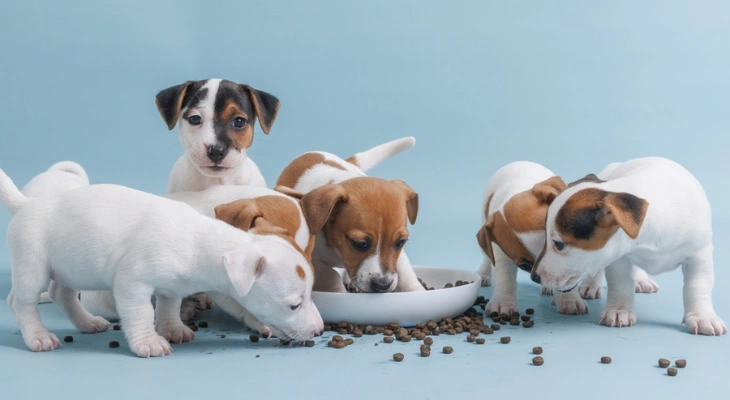
February Newsletter: How to Choose the Right Food for Your Puppy
Created in Newsletter Library
How to Choose the Right Food for Your Puppy A healthy diet is essential to your puppy’s growth and development. Wondering what to feed your new pet? These tips can help you find the ideal type of food for your pet. Buy Food Specifically Intended for Puppies Dog food intended for adult dogs won’t meet your puppy’s nutritional needs. Puppies
Learn More

Gastroenteritis in Pets
Created in Newsletter Library, Recognizing Illness
Lengthy bouts of vomiting and diarrhea can be a sign that your pet has gastroenteritis, a common condition that occurs when the lining of the stomach and intestines becomes irritated. Since frequent diarrhea and vomiting can lead to dehydration, a visit to the veterinarian is a good idea if you notice any of the signs of gastroenteritis. What Causes Gastroenteritis?
Learn More
February Newsletter: What Causes Nausea in Cats?
Created in Newsletter Library
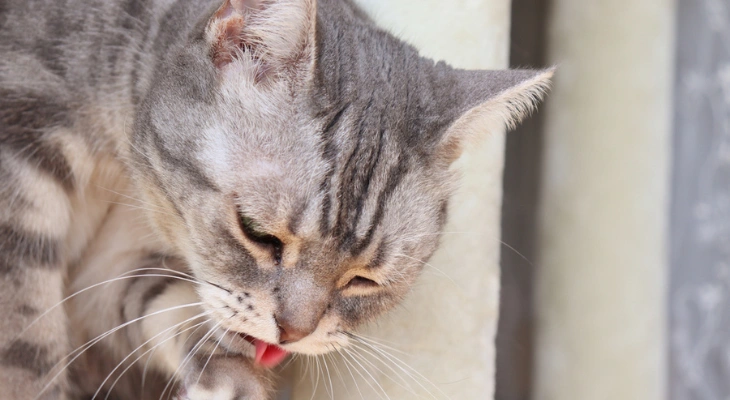
What Causes Nausea in Cats? If your cat isn’t its usual energetic self, nausea could be to blame. Unfortunately, it’s not always easy to determine why your favorite feline is under the weather. Nausea can be caused by a variety of conditions, ranging from food sensitivities to constipation to kidney or liver disease. How to Tell if Your Cat Is
Learn More
Foods to Avoid for Pets on Low Sodium Diets
Created in Newsletter Library, Nutrition & Food
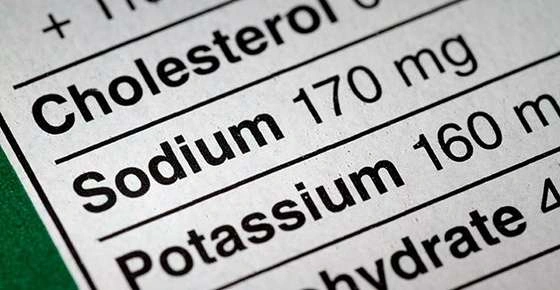
Pets afflicted with heart failure or high blood pressure should not be fed salty foods, as they cause fluid to be retained in the body and make it harder for the heart to work. They also can lead to fluid developing in the lungs (pulmonary edema). Most commercial dog foods have a decent level of sodium, although some have high
Learn More
February Newsletter: The Benefits of Proper Nutrition for Pets
Created in Newsletter Library
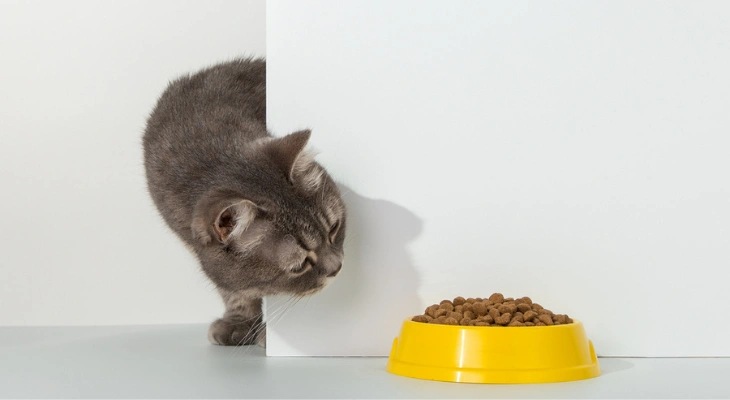
The Benefits of Proper Nutrition for Pets Good nutrition offers important health advantages for your pet. Without the proper amount of vitamins, minerals, fats, and proteins in its diet, your pet could develop a variety of health problems. Ensuring that your pet’s food contains the ideal nutrients for its age or breed will help you protect your furry friend. 7
Learn More

Food Allergies
Created in Newsletter Library, Nutrition & Food
Food allergies occasionally occur in dogs and cats. They usually manifest themselves as itchy skin, ear infections, chronic vomiting, or diarrhea. If you suspect that your pet may have a food allergy, you can investigate by performing a food trial. There are three rules for a food trial: 1. Pick a new food that is different from any food fed
Learn More