2814 S 107th Ave, Omaha, NE 68124


Euthanasia: Saying Goodbye
Created in Newsletter Library, Recognizing Illness
It’s not easy to say goodbye to cherished pets, even those that have lived long, happy lives. Although you may hate the thought of life without your pet, euthanasia can be the kindest decision you can make when your friend is suffering. Making the Decision If your pet has been seriously injured in a horrible accident and is not expected
Learn More

Does Your Cat Have a Grooming Problem?
Created in Newsletter Library, Cats
Good grooming comes naturally to most cats. They diligently lick their fur multiple times per day, ensuring that their coats look sleek and healthy no matter what the season. When your normally well-groomed pet suddenly looks greasy and disheveled, it’s only normal to be concerned. Although most short-term changes in grooming aren’t serious, over- or under-grooming can be a sign
Learn More

Fatal Rabies Disease is Preventable
Created in Newsletter Library, Recognizing Illness
Pets need to be vaccinated to prevent against rabies. Rabies is a fatal viral zoonosis and veterinarians believe that all mammals are susceptible to it. This disease puts the public at risk and prevention measures are urged. Rabies is transmitted through saliva. It enters the body of person or pet through an opening in the skin, typically a bite wound.
Learn More
Diabetes in Cats: Prevention and Treatment
Created in Newsletter Library, Cats
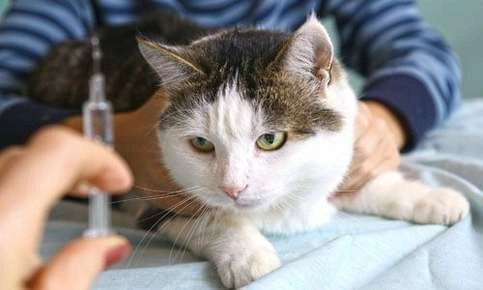
Diabetes in cats, also known as feline diabetes mellitus, is an increasingly common disease affecting 1 out of every 400 cats. Obesity is the leading risk factor for diabetes. “Overweight or obese cats are two to four times more likely to develop diabetes than cats with a healthy body weight,” says board-certified veterinary nutrition specialist Dorothy Laflamme, DVM, PhD, DACVN.
Learn More

Do You Know the Facts About Canine Lyme Disease?
Created in Newsletter Library, Recognizing Illness
If your dog shows signs of stiffness or begins limping, you may assume that arthritis is to blame. Unfortunately, joint pain can also be a sign of canine Lyme disease. Learning the facts about this tick-borne disease can help you ensure that your pet receives prompt treatment. How is Lyme Disease Transmitted? People and animals develop Lyme disease after being
Learn More

Declawing Alternatives for Cats
Created in Newsletter Library, Cats
Cat declawing is possibly one of the most controversial of all animal surgeries. Cats scratch to mark territory and to keep their claws in top condition, but the scratching behavior can challenge the bond between a cat and his owner. Felines, especially young cats, often play rough and scratch their owners or other animals. Scratching behavior also ruins furniture, flooring,
Learn More
Don’t Sneeze at Pet’s Cold or Flu-Like Symptoms – Get to Your Vet
Created in Newsletter Library, Recognizing Illness
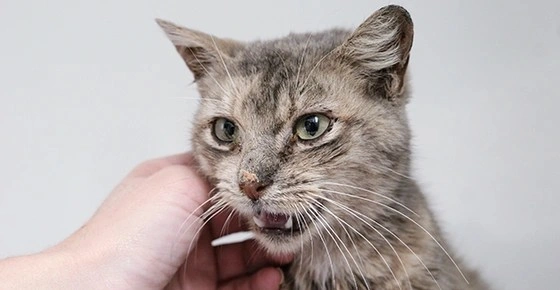
On February 14, 2011 IDEXX Research Laboratories confirmed that the 2009 H1N1 influenza virus was present in two cats from the same Wisconsin home. The cats were treated at an emergency veterinary hospital for severe respiratory distress. The owner of the cats had been experiencing flu-like symptoms. The American Veterinary Medical Association (AVMA) suggests the cats became ill when the
Learn More

Do Cats Really Love Milk?
Created in Newsletter Library, Cats
Cats, unlike dogs, are true carnivores which means they thrive on meat only diets and require no vegetable, grain, or dairy supplementation. Cows milk is not recommended for cats because it can be too rich for their digestive systems. This is because most cats can’t digest milk properly because it contains lactose and most cats are lactose intolerant. The proteins in
Learn More

Evaluation and Diagnosis of a Red Eye in Dogs
Created in Newsletter Library, Recognizing Illness
Dogs occasionally develop a red eye. The redness may be in the white of the eye, in the clear part of the eye called the cornea, or within the eyeball. There are many causes of a red eye, but all ocular diseases should always be considered an urgent matter, and be checked immediately by a veterinarian. Evaluation A dog owner
Learn More

Does Your Cat Need Vaccines?
Created in Newsletter Library, Cats
In a word, yes. “No other medical development has been as successful as vaccination in controlling deadly diseases in companion animals,” says feline veterinarian Dr. Arnold Plotnick. The Exception Dr. Plotnick and other veterinarians acknowledge that, rarely, vaccinations in cats have been linked to the development of fibrosarcoma, a type of cancer that may occur at the site of injection.
Learn More