2814 S 107th Ave, Omaha, NE 68124

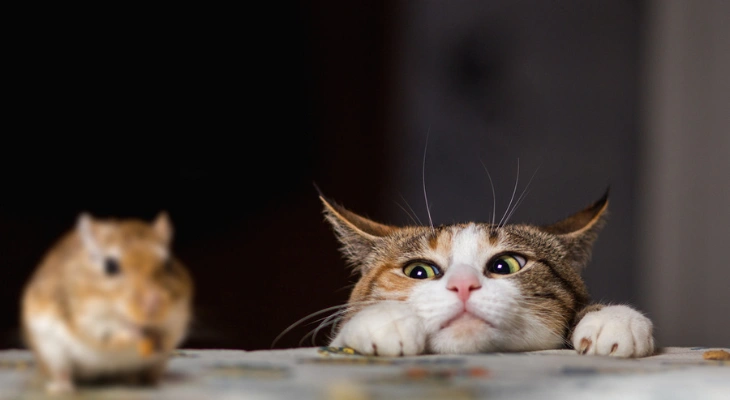
February Newsletter: Weird Things Your Cat Does and What They Mean
Created in Newsletter Library
Does Your Cat Do These Strange Things? Wondering why your cat suddenly zooms through your house or kneads your favorite blanket? There’s actually a good reason for your cat’s strange behavior. If you’re puzzled by your furry friend’s antics, take a look at our list of weird feline habits and the reasons behind them. High-Speed Sprints You’re sitting on the
Learn More

Fitting Fiber into Fido’s Food Bowl
Created in Newsletter Library, Nutrition & Food
Fiber is important because it helps dogs feel full, supports natural, healthy digestion and aids in moving material through their digestive tract. Is there fiber in your pet’s food bowl with each meal? Does your pet need fiber, or more fiber? Grains like wheat, barley, corn and rice contribute small amounts of fiber to pet foods. Pets require adequate amounts
Learn More
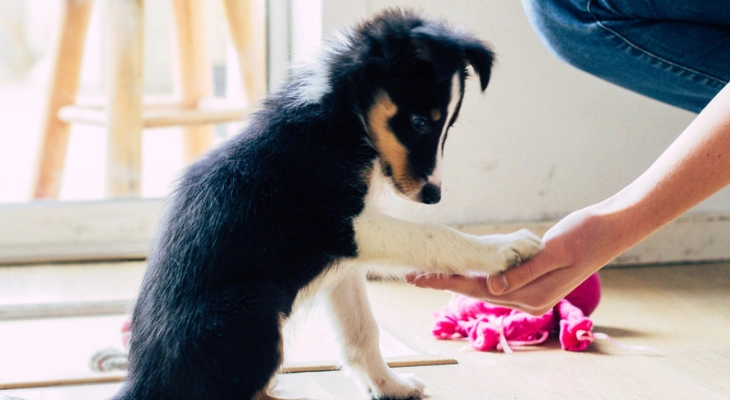
February Newsletter: Where to Start When Training Your Puppy
Created in Newsletter Library
Where to Start When Training Your Puppy Without training, your cute, cuddly puppy could become difficult to live with in a matter of months. Luckily, early socialization and training will help your pet learn how to behave in any situation. Socialization Provides the Foundation for Training The moment your puppy walks through your front door, it’s greeted with new sights,
Learn More
Feeling Apprehensive About Pet Treatment Involving Anesthesia?
Created in Newsletter Library, Visiting the Vet
Emergencies happen when we least expect it, and anesthesia could be a necessary component required to treat your pet. Treatment recommendations your veterinarian makes could also include dental care involving anesthesia. You may elect to neuter or spay your pet. Anesthesia will be required. Repair of broken bones and retrieval of foreign material from your pet’s stomach will require anesthesia.
Learn More
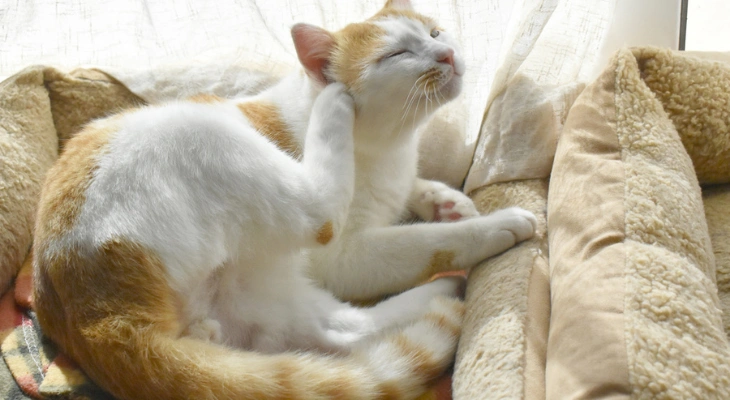
Feline Skin Allergy Symptoms and Care
Created in Newsletter Library
Does Your Cat Have a Skin Allergy? Are you concerned about changes in your cat’s skin or coat? Hair loss, sores, or red spots could be signs that your pet has an uncomfortable skin allergy. Your favorite feline’s veterinarian offers treatments that will stop itching and inflammation and prevent future allergy flare-ups. What Are Skin Allergies? Skin allergies happen when
Learn More
Get Down With Your Dog
Created in Newsletter Archive, Fun with Pets
Each year fifteen million Americans engage in the practice of yoga. Many of the same Americans own some of the over seventy-three million dogs owned in the United States. If you put yoga and dogs together, you get doga (pronounced DOH-gah). Doga is sweeping the nation including large American cities and small towns. Doga provides a unique opportunity for humans
Learn More
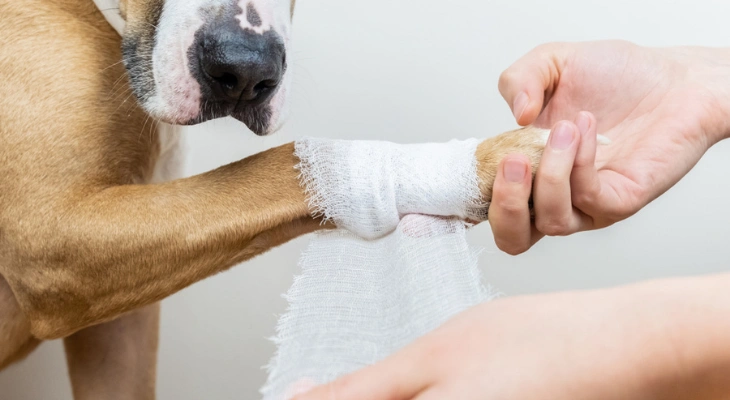
First Aid Basics for Pet Owners
Created in Newsletter Library
First Aid Tips For Pet Owners During Pet First Aid Awareness Month Do you know how to help your pet in an emergency? Fortunately, many of the same first aid techniques you use to care for your family’s injuries can also help your pets. National Pet First Aid Awareness Month, celebrated every April, is the perfect time to review your
Learn More

Flea and Tick Season
Created in Newsletter Library
Are You Ready for Flea and Tick Season? The spring and summer months are peak flea and tick season in many parts of the U.S. Although the insects thrive in tall grass and wooded areas, you may also find them in your backyard. Luckily, reducing your pet’s risk of a flea- or tick-borne illness can be as simple as taking
Learn More
Glaucoma in Cats
Created in Newsletter Library, Cats
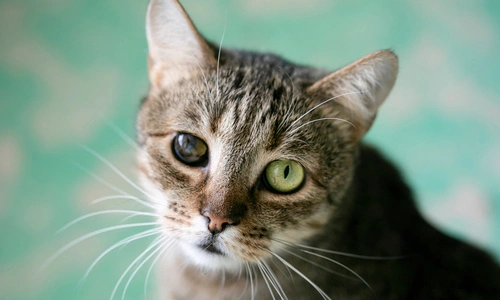
Could Glaucoma Destroy Your Cat’s Vision? Glaucoma, an eye disease that can cause vision loss in humans, may also affect your favorite feline. Although cats can develop the disease at any age, older cats may be at increased risk. How Glaucoma Affects Eyesight Glaucoma occurs when the pressure inside your cat’s eye rises dangerously high. Increasing pressure damages the optic
Learn More

Dogs Going Green
Created in Newsletter Library, Tips for Pet Owners
Everyone seems to be environmentally conscious on some level, whether it is by recycling or driving more fuel-efficient cars or using less water; most everyone is doing their part to be eco-friendly. It should then be no surprise that this greener way of living has spilled over to the way we care for our canine friends too. We can make
Learn More