2814 S 107th Ave, Omaha, NE 68124

Don’t Sneeze at Pet’s Cold or Flu-Like Symptoms – Get to Your Vet
Created in Newsletter Library, Recognizing Illness
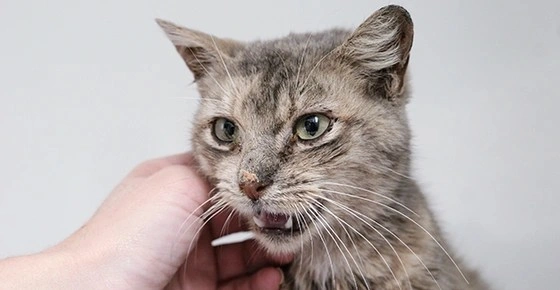
On February 14, 2011 IDEXX Research Laboratories confirmed that the 2009 H1N1 influenza virus was present in two cats from the same Wisconsin home. The cats were treated at an emergency veterinary hospital for severe respiratory distress. The owner of the cats had been experiencing flu-like symptoms. The American Veterinary Medical Association (AVMA) suggests the cats became ill when the
Learn More

Do Cats Really Love Milk?
Created in Newsletter Library, Cats
Cats, unlike dogs, are true carnivores which means they thrive on meat only diets and require no vegetable, grain, or dairy supplementation. Cows milk is not recommended for cats because it can be too rich for their digestive systems. This is because most cats can’t digest milk properly because it contains lactose and most cats are lactose intolerant. The proteins in
Learn More

Evaluation and Diagnosis of a Red Eye in Dogs
Created in Newsletter Library, Recognizing Illness
Dogs occasionally develop a red eye. The redness may be in the white of the eye, in the clear part of the eye called the cornea, or within the eyeball. There are many causes of a red eye, but all ocular diseases should always be considered an urgent matter, and be checked immediately by a veterinarian. Evaluation A dog owner
Learn More

Does Your Cat Need Vaccines?
Created in Newsletter Library, Cats
In a word, yes. “No other medical development has been as successful as vaccination in controlling deadly diseases in companion animals,” says feline veterinarian Dr. Arnold Plotnick. The Exception Dr. Plotnick and other veterinarians acknowledge that, rarely, vaccinations in cats have been linked to the development of fibrosarcoma, a type of cancer that may occur at the site of injection.
Learn More

Ear Problems for Pets
Created in Newsletter Library, Recognizing Illness
Symptoms of ear disease are shaking the head, scratching at the ears, discharge from the ear canal, odor from the ear, or redness of the ear flap or entrance to the ear canal. Your pet may be tilting their head to one side although it’s important to point out that there are causes for this other than ear disease. The
Learn More

Dogs Going Green
Created in Newsletter Library, Tips for Pet Owners
Everyone seems to be environmentally conscious on some level, whether it is by recycling or driving more fuel-efficient cars or using less water; most everyone is doing their part to be eco-friendly. It should then be no surprise that this greener way of living has spilled over to the way we care for our canine friends too. We can make
Learn More

Dog Allergies and Lesion Locations
Created in Newsletter Library, Recognizing Illness
Dogs are taken to the veterinarian for skin problems more than any other reason. Most often they are itchy and that itchiness is typically due to allergies. The text of canine and feline dermatological diseases is large because there are hundreds of skin diseases, however, it can help to start with some generalities when determining the cause. Again, there are
Learn More

Dogs and Kids
Created in Newsletter Library, Tips for Pet Owners
The image of your child and dog as inseparable, best friends is a great one that we’d all love to be reality. With the right awareness, our children and pets CAN have the wonderful relationships we hope for. Here are some tips that all families with children and dogs will want to know. 4.7 million people are bitten by a
Learn More
Deciding to Spay or Neuter Your Pet
Created in Newsletter Library, Visiting the Vet
Spaying and neutering your pet is a common practice in the United States. With so many animals in the United States (and around the world) nÂeeding homes, spaying or neutering your pet is the responsible way to help end pet homelessness. Spaying and neutering (also referred to as “sterilizing” or “fixing”) is done under anesthesia. Spaying involves removing the female’s
Learn More

Dog Bite Prevention
Created in Newsletter Library, Tips for Pet Owners
An estimated 4.7 million Americans are bitten by dogs each year **1. Through education and awareness, most dog bites can be prevented. Follow these tips to prevent dog bites. Register your dog with the town you live in. This allows the town to keep track of the neighborhood dogs and ensure everyone is properly vaccinated and cared for. Some towns
Learn More